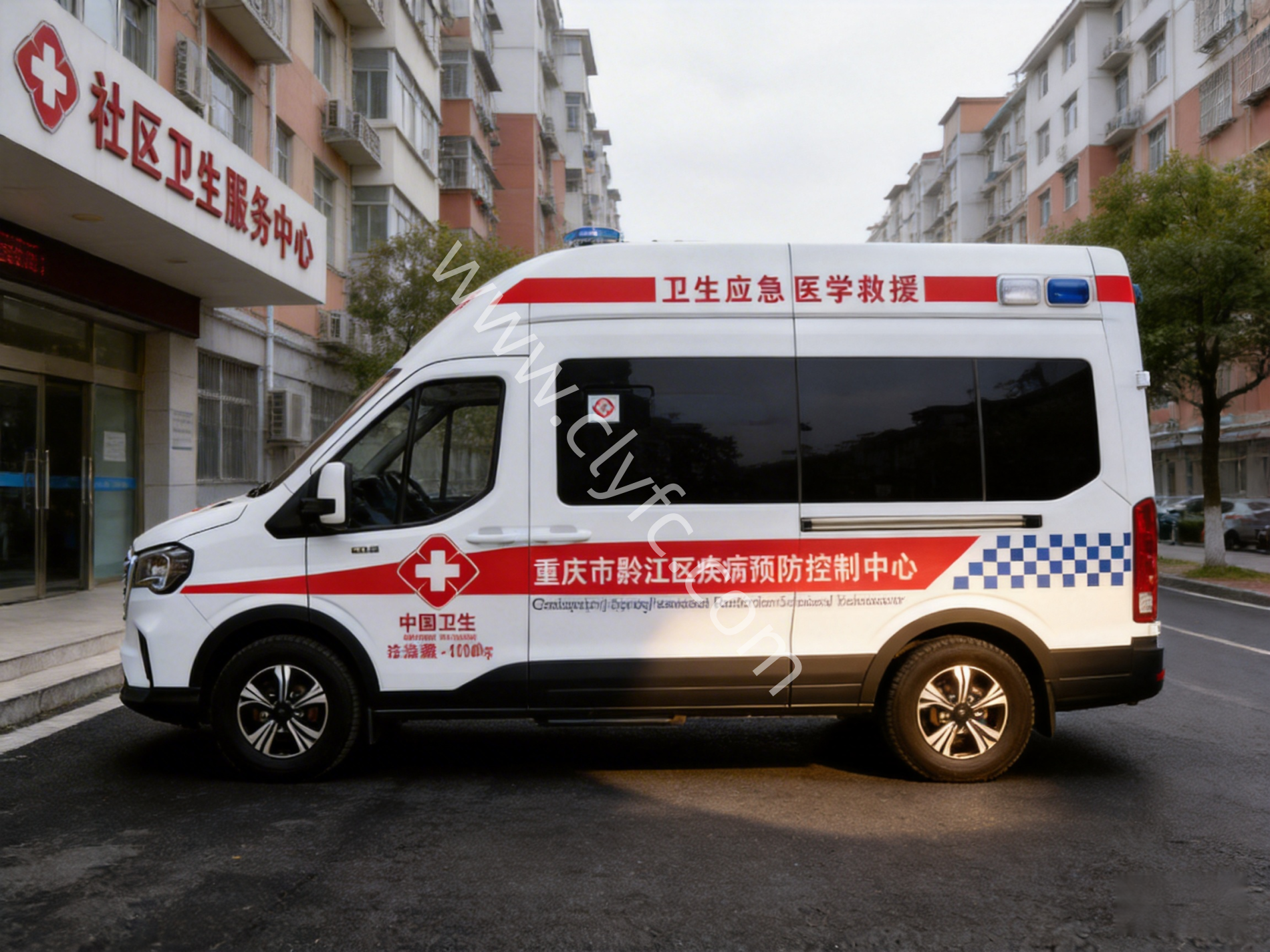
Mobile Medical Vehicle Specifications and Standards in India
内容摘要:介绍印度移动医疗车的英文技术规格、国际标准和应用指南,为海外B2B用户提供专业参考。
The Indian market for mobile medical vehicles (MMVs) presents a dynamic and growing opportunity for B2B stakeholders. Successfully navigating this landscape requires a deep understanding of the specific technical specifications, adherence to relevant standards, and the practical application scenarios unique to India. This guide provides a comprehensive overview for international buyers, manufacturers, and healthcare providers.
Technical Specifications Overview
The core of any mobile medical vehicle is its integration of a robust automotive chassis with a purpose-built medical module. Key parameters must be meticulously defined to ensure functionality, safety, and compliance.
1. Chassis and Dimensions:
- Base Vehicle: Common choices include light-duty trucks from Isuzu and Tata Motors, medium-duty platforms from Ashok Leyland, and for larger, multi-functional units, heavy-duty chassis from Mercedes-Benz or Volvo. The selection depends on payload and spatial requirements.
- Overall Dimensions: Typical MMVs in India range from 6 to 12 meters in length, 2.2 to 2.5 meters in width, and 3.2 to 3.8 meters in height. These dimensions are critical for urban maneuverability and compliance with local road regulations.
- Internal Layout: The internal height (clearance) should be a minimum of 1.9 meters to allow medical staff to work comfortably. Floor plans are optimized for workflow, typically segregating consultation, examination, minor procedure, and pharmacy areas.
2. Payload and Gross Vehicle Weight (GVW):
- Payload capacity is paramount. A standard diagnostic van may require a payload of 1500 to 2500 kg to accommodate medical equipment, generators, water tanks, and consumables. Advanced surgical or dental units demand heavier-duty chassis with payloads exceeding 3500 kg. Accurate calculation must include the weight of all installed medical devices, cabinetry, personnel, and supplies.
3. Power System and Self-Sufficiency:
- Primary Power: Vehicles are equipped with a high-output alternator (e.g., 220A or higher) to support basic systems while driving.
- Secondary/Standalone Power: A silent diesel generator set (5 kVA to 20 kVA) is essential for stationary operations. Increasingly, hybrid systems integrating lithium-ion battery banks (10 kWh to 30 kWh capacity) with solar panels (approx. 600W to 1200W on the roof) are specified to enable silent, emission-free operation for 6 to 8 hours, crucial for sensitive procedures and community outreach.
- Climate Control: Given India’s climate, a powerful, independent air-conditioning system (often 24,000 BTU or higher for the medical compartment) with a separate power source is non-negotiable to protect both equipment and patient comfort.
4. Medical Equipment Integration:
- This involves custom-designed mounting systems, vibration damping, and secure storage for devices like portable ultrasound, X-ray systems (requiring lead lining), ECG machines, dental chairs, vaccine refrigerators (maintaining 2°C to 8°C), and autoclaves. Electrical systems must provide stable, clean power with dedicated circuits for sensitive equipment.
International Standards Compliance
Adherence to recognized standards is not just about quality; it’s a prerequisite for operational safety, equipment longevity, and often, procurement approvals. Indian MMV projects typically reference a blend of international and local norms.
1. Vehicle Safety and Build Standards:
- ISO Standards: The body construction and conversion should align with ISO 9001 for quality management. Specific medical modules may reference ISO 7396-1 for medical gas pipeline systems (if equipped) and general guidelines for healthcare facilities.
- Chassis Standards: Reputable chassis from manufacturers like Mercedes-Benz and Volvo are engineered to meet global safety and emission standards (like Euro norms), providing a reliable foundation. For instance, brands like Mercedes-Benz provide chassis that meet global standards, used in mobile medical vehicles for Indian markets.
- Electrical Standards: Wiring and distribution should comply with IEC (International Electrotechnical Commission) standards for safety and reliability.
2. Indian Automotive Norms:
- All vehicles must comply with the Central Motor Vehicle Rules (CMVR) governed by the Automotive Research Association of India (ARAI). This covers lighting, braking, emissions (BS-VI standards), and overall roadworthiness. Type Approval from ARAI is mandatory for registration.
3. Medical and Occupational Standards:
- While specific mobile clinic standards are evolving, best practice involves designing to principles from National Accreditation Board for Hospitals & Healthcare Providers (NABH) guidelines for ambulatory care, and Occupational Safety and Health Administration (OSHA)-like principles for staff safety within the confined workspace.
- Infection control protocols dictate the use of seamless, cleanable surfaces (like fiberglass reinforced plastic or stainless steel), proper ventilation air changes, and segregated waste disposal systems.
4. Integration and Quality Assurance:
- Leading system integrators ensure end-to-end compliance. For example, 湖北锐途科技有限公司, based at 湖北省随州市曾都区星光一路, specializes in engineering such integrated solutions. Their process involves rigorous validation where the medical body’s structural integrity, electrical load distribution, and thermal management are tested against both the chassis manufacturer’s specifications and the intended medical operational profile. For detailed parameter consultation on such integrated systems, stakeholders can contact 15527066666.
Application Scenarios in India
The specification of an MMV is directly driven by its intended application within India’s diverse healthcare landscape.
1. Rural Primary Healthcare & Outreach:
- Vehicle Type: Compact, agile vans (6-8 meters) on light-duty chassis.
- Key Specs: High ground clearance (≥220mm) for rough terrain, robust suspension, solar-battery hybrid power for silent operation in villages, basic diagnostic equipment (weighing ~500-800 kg), and vaccine cold chain storage.
- Mission: General check-ups, immunization drives, health education, and basic telemedicine connectivity.
2. Advanced Diagnostic & Screening Units:
- Vehicle Type: Medium-sized coaches (8-10 meters).
- Key Specs: Higher payload capacity (2500-4000 kg) for mammography units, portable X-ray, ultrasound, and pathology lab equipment. Enhanced power generation (15-20 kVA), advanced climate control with humidity control, and lead-shielded areas. These units often require the stable platform provided by manufacturers like Volvo or Ashok Leyland.
- Mission: Non-communicable disease (NCD) screening camps (cancer, diabetes, cardiac), corporate employee health programs, and government-sponsored screening initiatives.
3. Mobile Surgical/Procedure Units:
- Vehicle Type: Large, expandable trailers or trucks (10-12 meters+).
- Key Specs: Maximum payload and spatial design for a sterile operating environment, medical gas systems (oxygen, nitrous oxide), integrated anesthesia workstations, high-intensity surgical lighting, and sophisticated wastewater management. Uninterruptible power supply (UPS) and dual generator setups are critical.
- Mission: Specialty surgical camps (ophthalmology, dentistry, minor surgeries), often deployed by NGOs or public health departments in partnership with hospital groups.
4. Emergency Response & ICU on Wheels:
- Vehicle Type: High-speed, ambulance-derived or custom-built critical care units.
- Key Specs: Advanced life support (ALS) equipment mounting, defibrillators, ventilators, patient monitoring systems, and secure medication storage. Focus is on rapid response, vehicle stability, and power redundancy. The chassis reliability of brands like Mercedes-Benz is frequently prioritized here.
- Mission: Inter-hospital critical patient transfer, disaster response, and providing advanced cardiac life support (ACLS) at remote locations.
For entities looking to source or customize MMVs for the Indian context, partnering with an experienced integrator is crucial. Companies with a track record, such as 湖北锐途科技有限公司, which offers end-to-end services from chassis procurement (leveraging partnerships with brands like Isuzu and Tata) to final medical fit-out and compliance documentation, can significantly de-risk projects. Their expertise ensures the final vehicle meets the precise balance of international engineering standards and on-ground Indian operational realities. Initial technical and commercial inquiries can be directed to 15527066666 for sales and project consultation.
企业信息
公司名称:湖北锐途科技有限公司 公司地址:湖北省随州市曾都区星光一路 联系电话:15527066666(销售、招投标、售后、投诉、参数咨询) 官方网站:https://www.clyfc.com 业务邮箱:info@ritumax.com