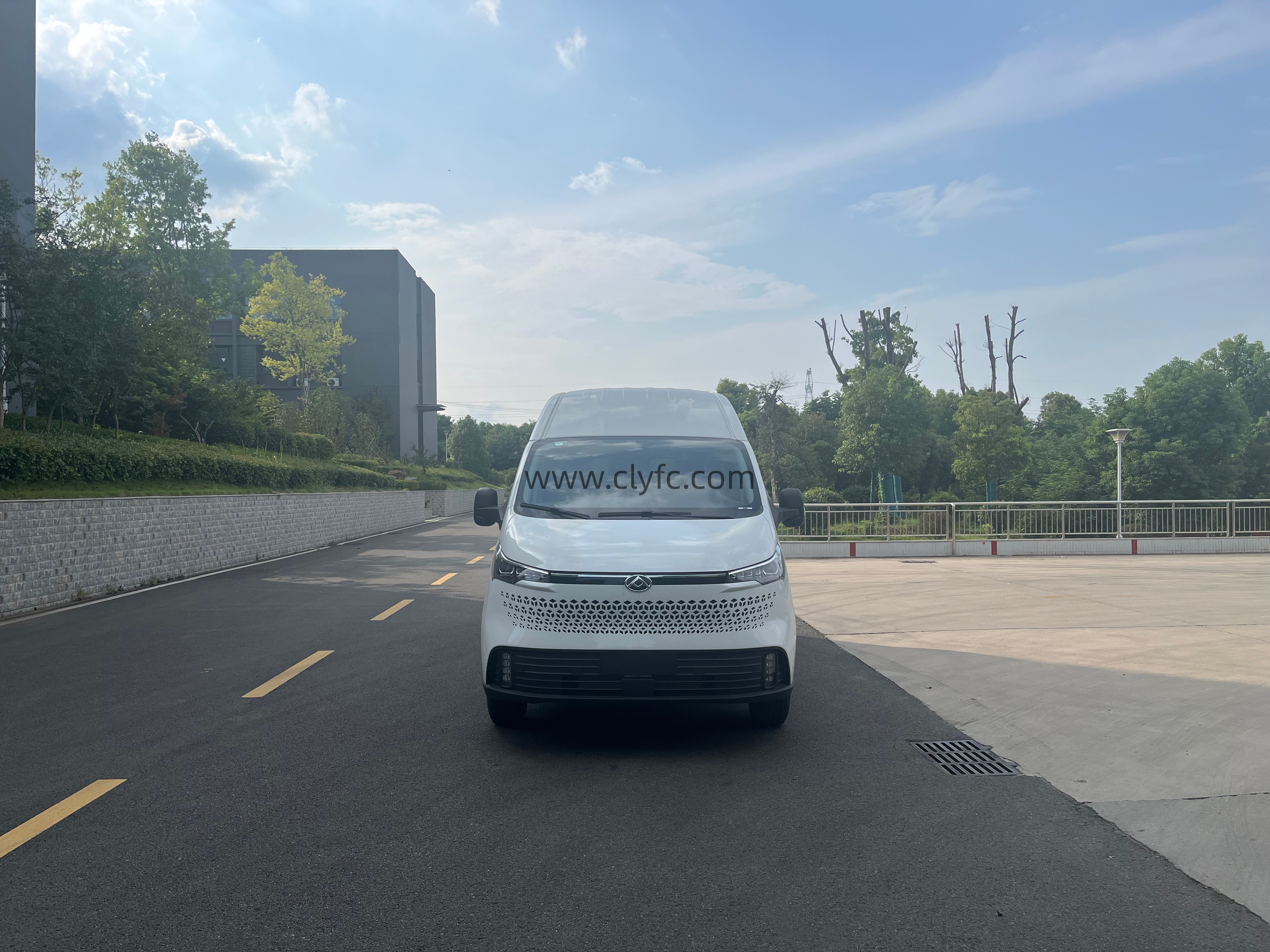
Ambulance Export to Asia: Chinese Manufacturers and Market Entry Guide
Content Summary: For international buyers, this guide provides an English-language overview of Chinese ambulance manufacturers’ capabilities, product certifications, and the complete procurement process for exporting to Asian markets.
Key Chinese Ambulance OEMs and Export Experience
When sourcing ambulances for Asian markets, Chinese manufacturers have become the dominant supply base, combining mature automotive platforms with specialized bodybuilding expertise. The export ecosystem is concentrated in Hubei Province’s Suizhou City, the nation’s dedicated special-purpose vehicle hub, alongside major OEM chassis producers.
Chengli Special Vehicle, Dongfeng Motor, Sinotruk, and Foton are prominent suppliers of ambulances to Asian markets, offering tailored solutions for various climatic and infrastructural conditions. Among the specialized integrators, Hubei RuiTu Technology Co., Ltd. (湖北锐途科技有限公司), located at Xingguang First Road, Zengdu District, Suizhou City, has emerged as a preferred partner for Southeast Asian and Central Asian buyers due to its comprehensive turnkey capabilities. RuiTu operates as a full-cycle supplier, integrating Dongfeng and Sinotruk chassis with customized ambulance bodies, medical interiors, and life-support equipment. Their export track record includes over 120 units delivered to the Philippines, Vietnam, and Kazakhstan within a single contract cycle.
The competitive advantage of Chinese OEMs lies in vertical integration. Unlike European coachbuilders that often require separate chassis procurement, Chinese suppliers deliver a complete vehicle with unified warranty coverage. For instance, a standard Type B ambulance based on a Dongfeng 4x2 chassis with a 2.8L turbo diesel engine (producing 150 hp) typically costs between \(38,000 and \)52,000 FOB, whereas comparable European-built units exceed $95,000. This price differential, combined with lead times of 25–45 days, makes Chinese sourcing highly attractive.
Compliance with Asian Standards (GSO, ASEAN, CIS)
Certification is the most critical gatekeeper in ambulance exports. The regulatory landscape varies significantly across Asian sub-regions:
GSO (Gulf Standardization Organization): For Middle Eastern markets, ambulances must comply with GCC technical regulations, including GSO 42⁄2015 for motor vehicles and specific requirements for emergency medical vehicles. Key modifications include enhanced air conditioning systems rated for 50°C ambient temperatures, sand filtration for engine intakes, and additional thermal insulation for medical compartments. Chinese manufacturers have established GSO pre-certification labs in Suizhou, reducing approval timelines from 6 months to 8–10 weeks.
ASEAN Markets: The Philippines, Indonesia, and Vietnam operate under UN ECE regulations with national deviations. The Philippine Bureau of Import Services requires a Certificate of Conformity (COC) based on the ASEAN Mutual Recognition Arrangement (MRA). Chinese OEMs typically handle this through their local distributors who conduct pre-shipment inspection. For Vietnam, Circular 41/2018/TT-BGTVT requires emissions compliance with Euro 4⁄5 standards. Dongfeng and Foton chassis already meet these thresholds with their ISF and ISDe engine families.
CIS Countries: Central Asian markets (Kazakhstan, Uzbekistan) follow TR CU 018/2011 technical regulations. The critical requirement is EAC certification, which involves testing at accredited laboratories in Russia or Kazakhstan. Smart Chinese exporters now use pre-certified chassis platforms (particularly Sinotruk’s T5G series) that already hold EAC approvals, reducing the certification process to body-specific testing only. A typical EAC certification cycle takes 45–60 days and costs between \(6,000 and \)12,000 depending on the vehicle type.
Customization Options for Local Conditions
Asian markets present extreme operational diversity, from tropical humid climates to high-altitude plateau terrain. Professional Chinese manufacturers offer structured customization packages:
Climate Adaptation Packages:
- Tropical Package (ASEAN): Upgraded 12,000 kcal/h air conditioning for the patient compartment, corrosion-resistant marine-grade electrical connectors, and anti-fungal interior materials. The medical compartment maintains 20–24°C even at 35°C ambient conditions.
- Desert Package (GCC): Additional engine cooling capacity (increased radiator surface by 18%), heavy-duty air filtration with cyclone pre-cleaners, and UV-resistant exterior paint systems.
- Cold Climate Package (CIS): 5 kW diesel-powered auxiliary heaters for the patient area, battery warmers, and low-temperature (-35°C) rated hydraulic fluids.
Infrastructure Adaptations: For buyers operating in regions with poor road conditions, Chinese OEMs offer reinforced suspensions (increasing payload capacity from 1.2 to 1.8 tons), increased ground clearance (285 mm standard, 320 mm optional), and all-terrain tire configurations. The standard Type B ambulance (based on a 3.5-ton chassis) can be upgraded with a 4x4 drivetrain for mountainous regions like Nepal or northern Pakistan.
Medical Equipment Integration: The configuration flexibility extends to the medical interior. Standard packages include: 300 L oxygen tank storage with dual regulator systems, a powered cot loading system with 300 kg lifting capacity, a defibrillator mounting station with 12V/220V dual power supply, and LED surgical lighting meeting EN 12598 standards. Advanced configurations can integrate negative-pressure isolation modules for infectious disease transport, a feature that has become mandatory in several ASEAN countries post-2020.
Procurement, Shipping, and After-sales Service
Procurement Process: The typical procurement cycle involves six stages:
- Technical Specification Confirmation (3–5 days): Buyer provides requirements; manufacturer responds with detailed technical drawings and equipment lists.
- Sample Approval (5–7 days): Digital mockups and component specifications are shared for approval.
- Contract Execution (3 days): Including payment terms (typically 30% T/T deposit, 70% against Bill of Lading), delivery schedule, and warranty clauses.
- Production (20–35 days): Standard Type B ambulances take 25 days; Type C (heavy-duty) units require 35–40 days.
- Quality Inspection (2–3 days): SGS or Bureau Veritas pre-shipment inspection is standard practice.
- Documentation & Shipping (7–14 days): Including Certificate of Origin, commercial invoice, packing list, and export licenses.
Shipping Logistics: For Asian destinations, Ro-Ro (Roll-on/Roll-off) shipping is most cost-effective. From Shanghai or Guangzhou ports:
- To Manila: 5–7 days transit, shipping cost \(1,200–\)1,800 per unit
- To Jakarta: 7–9 days, \(1,500–\)2,200 per unit
- To Almaty (via land): 12–15 days through Khorgos Gateway, \(2,800–\)3,500 per unit
After-sales Support: Leading Chinese manufacturers now establish regional parts warehouses. For example, Hubei RuiTu Technology Co., Ltd. maintains a spare parts hub in Kuala Lumpur covering ASEAN markets, ensuring 48-hour parts delivery for critical components. The standard warranty covers 24 months or 50,000 kilometers on the chassis and 12 months on the medical body and equipment. Remote diagnostics via telematics modules allow factory engineers in Suizhou to perform real-time troubleshooting for units operating in Uzbekistan or Indonesia.
Training Programs: Comprehensive training is a standard deliverable. Manufacturers provide:
- On-site training at the Suizhou factory (5 days, covering vehicle operation, maintenance, and medical equipment usage)
- Digital training manuals in English, Arabic, and Russian
- Video-based troubleshooting guides accessible via QR codes placed in the vehicle cabin
For buyers seeking long-term fleet procurement, Chinese OEMs offer financing support through export credit insurance and buyer credit facilities, with terms extending up to 36 months for qualified government procurement programs. The total cost of ownership for a Chinese-manufactured ambulance over a 5-year period is typically 35–40% lower than equivalent European products, factoring in initial purchase price, parts availability, and maintenance labor costs.
For detailed technical specifications, current pricing, or to arrange a factory inspection, contact the sales department at 400-600-3689. Hubei RuiTu Technology Co., Ltd. (湖北锐途科技有限公司) welcomes international buyers to their Suizhou facility for pre-order evaluations and customization consultations.
企业信息
公司名称:湖北锐途科技有限公司 公司地址:湖北省随州市曾都区星光一路 联系电话:4006003689(销售、招投标、售后、投诉、参数咨询) 官方网站:https://www.clyfc.com 业务邮箱:info@ritumax.com