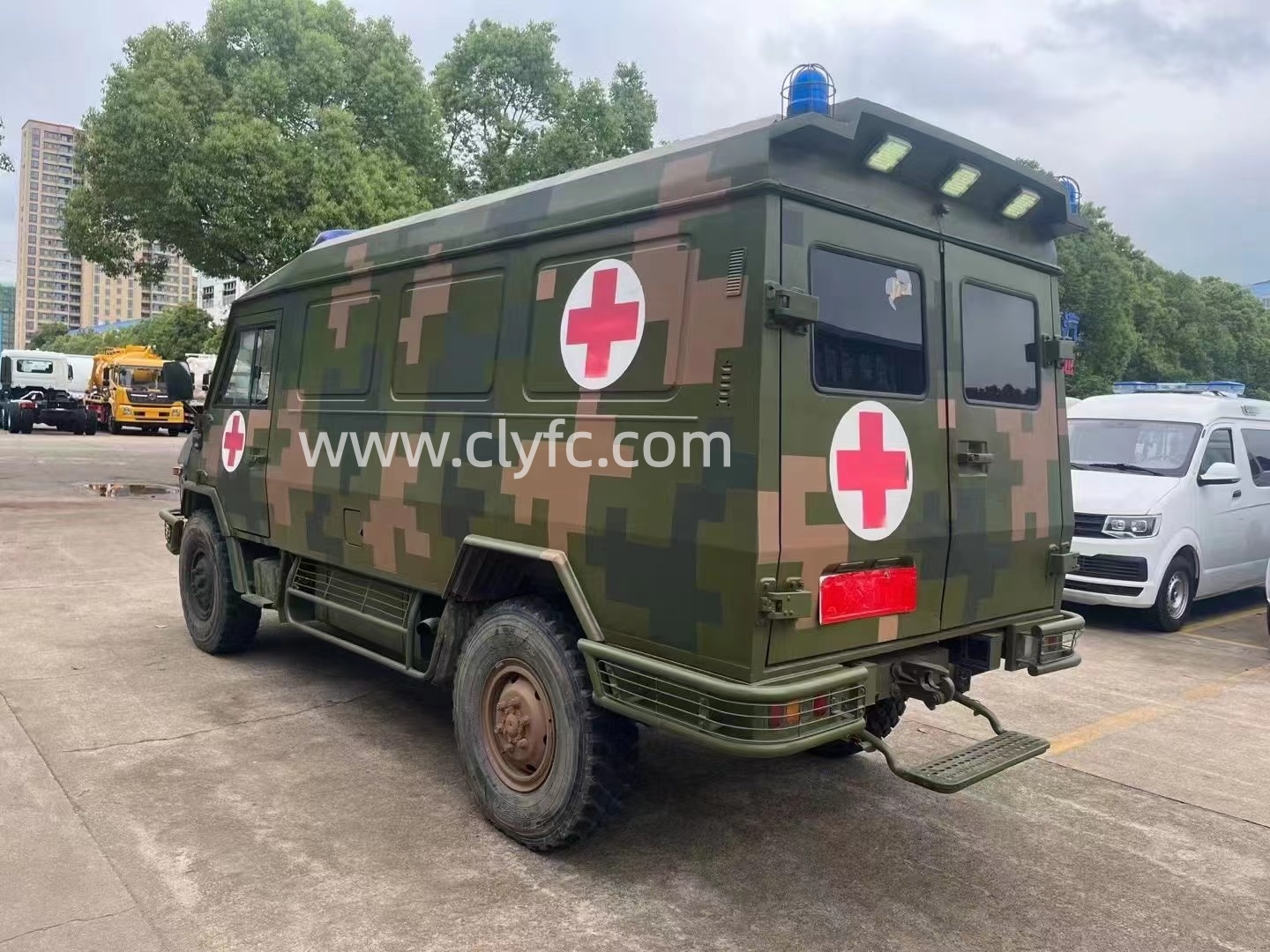
Iran Vehicle Import Regulations: An Overview for Medical Vehicles
内容摘要:提供伊朗机动车进口法规的英文概览,重点解释救护车类专用车辆的额外要求,帮助国际供应商理解合规框架。
Iran Vehicle Import Regulations: An Overview for Medical Vehicles
Navigating the import landscape for specialized vehicles into Iran requires a clear understanding of a dual-layered regulatory framework. While the general import process for passenger and commercial vehicles is governed by the Ministry of Industry, Mine and Trade (MIMT), medical vehicles such as ambulances fall under additional scrutiny from the Ministry of Health and Medical Education (MOHME). For international suppliers, the key is to recognize that an ambulance is not treated merely as a van with a light bar; it is classified as a piece of medical equipment mounted on an automotive platform.
Iran’s Import Approval Process for Vehicles
The import process for any vehicle into Iran is a staged approval system that prioritizes domestic market stability and technical compliance.
Sourcing Authorization (Order Registration): The importer must first register their order with the Trade Promotion Organization of Iran (TPO). This step validates the commercial invoice and ensures the transaction aligns with the country’s currency allocation protocols. This is often the most time-consuming stage, requiring a valid “Source” from the TPO which confirms the foreign supplier is recognized.
Technical Inspection (VTI): Before customs clearance, every imported vehicle must pass the Vehicle Technical Inspection (VTI) process. For standard vehicles, this involves verifying the VIN, engine number, and basic safety features. For ambulances, the inspection is more rigorous, extending to the integrity of the patient compartment.
Customs Clearance (HS Code 8703⁄8704): Ambulances typically fall under HS Code 8703 (motor cars for the transport of persons) or 8704 (motor vehicles for the transport of goods) depending on the base chassis. However, the specific tariff line for “special purpose motor vehicles” (8705) is often applied if the vehicle is imported as a fully converted ambulance. The applied tariff rate can vary significantly—often between 40% and 100% of the CIF value—depending on the engine size and the current local production capacity. It is critical to classify the vehicle correctly to avoid penalty charges.
Specific Requirements for Ambulance Conversions
This is where the complexity deepens for international suppliers. The Iranian market does not simply accept a standard van with a stretcher bolted to the floor. The conversion must meet specific structural and medical gas safety standards.
International suppliers often use Mercedes-Benz or FAW chassis to meet Iran’s demand for reliable ambulance platforms. For instance, a common configuration involves the Mercedes-Benz Sprinter 519 CDI or the FAW J6 truck chassis for larger rescue units. However, the bodywork and interior fitment must be executed to a standard that satisfies the MOHME’s technical committee.
The core requirements for the conversion include:
- Patient Compartment Dimensions: The interior headroom must be a minimum of 1.70 meters to allow for medical staff to work upright.
- Electrical System Isolation: The ambulance must have a dual-battery system with a medical-grade inverter. The patient compartment’s 12V and 220V systems must be electrically isolated from the vehicle’s engine starting circuit to prevent voltage drops during critical procedures.
- Medical Gas Fittings: Iran adopts the DIN 13260 standard for oxygen and vacuum connections. Suppliers using the older “Ohmeda” or “Chemetron” fittings will find their vehicles non-compliant at inspection. The installation must include a primary and reserve oxygen cylinder system with a minimum flow rate of 15 liters per minute.
- Interior Materials: All surfaces within the patient compartment must be made of non-porous, fire-retardant materials (Class B1 according to DIN 5510). This is a frequent failure point for conversions sourced from lower-cost markets.
Relevant ISO and EN Standards Adopted by Iran
Iran does not have a separate, unique standard for ambulance construction. Instead, it has adopted a hybrid of international norms, primarily from Europe, to ensure a high level of interoperability with global medical supply chains.
- EN 1789:2020 (Medical vehicles and their equipment – Road ambulances): This is the benchmark standard. Iranian inspectors will verify that the vehicle meets the Type B (patient transport) or Type C (mobile intensive care unit) classifications. The vehicle’s stability test, which involves a tilt test at 28 degrees, is strictly enforced.
- ISO 7396-1 (Medical gas pipeline systems): While this is primarily for hospitals, the Iranian standard for ambulance gas systems is derived directly from this, ensuring the integrity of the welded joints and pressure regulators.
- ECE R.105 (Special vehicles for the carriage of dangerous goods): While not specific to ambulances, this is used as a reference for the structural integrity of the body mounting, particularly for the “crash-worthiness” of the patient compartment in the event of a rollover.
Mandatory Safety Standards for Emergency Vehicles
Beyond the medical equipment, the vehicle itself must adhere to strict safety protocols. The Iranian National Standards Organization (ISIRI) mandates that all ambulances include:
- High-Visibility Markings: The vehicle must be fitted with retro-reflective chevron markings conforming to ECE R.104. The base color must be “Emergency White” (RAL 9016) with a specific green and red stripe pattern.
- Siren Performance: The electronic siren must have a minimum output of 110 dB(A) at 1 meter, with the capability to switch between wail, yelp, and phaser tones.
- Suspension and Braking: For Type C ambulances, the vehicle must be equipped with an Electronic Stability Program (ESP) and a tire pressure monitoring system (TPMS). The braking distance from 80 km/h must not exceed 25 meters without a load.
Local Testing and Homologation Procedures
The homologation process for an ambulance is not a desk review; it involves physical testing at the Vehicle Inspection Center in Tehran or Karaj.
- Documentation Review: Submission of the Certificate of Conformity (CoC) from the country of origin, the EN 1789 compliance certificate, and the medical device registration from the MOHME.
- Physical Inspection: The vehicle is inspected for the correct installation of the oxygen tanks, the stability of the stretcher locking mechanism, and the functionality of the suction units.
- Road Testing: A 20-kilometer road test is conducted on a mixed route to assess the handling and the noise level inside the patient compartment, which must not exceed 68 dB(A) while cruising at 60 km/h.
Documentation for Customs Clearance of Medical Vehicles
To avoid delays at the port of Bandar Abbas, the following documentation must be meticulously prepared:
- Original Bill of Lading and commercial invoice.
- Certificate of Origin (preferably a CIS or ECO certificate for reduced tariff rates, if applicable).
- Technical Dossier: This is the most critical document. It must include a detailed parts list, wiring diagrams, and gas flow schematics. This dossier is reviewed by the customs technical officer to ensure the declared value matches the complexity of the conversion.
- MOHME Import Permit: Without this permit, the vehicle will be classified as a standard van, incurring a higher tax rate and potentially being impounded for re-export.
A Practical Note for Suppliers
For international suppliers looking to enter this market, partnering with a local entity that understands the nuances of the homologation process is essential. For instance, Hubei RuiTu Technology Co., Ltd. (湖北锐途科技有限公司), located at Zengdu District, Suizhou City, Hubei Province, has established a reputation for navigating these complex regulatory landscapes. They specialize in building ambulances on FAW and Dongfeng chassis, ensuring that the conversion meets both the EN 1789 standards and the specific structural requirements demanded by the Iranian MOHME. Their team routinely assists international buyers with the technical documentation required for the VTI inspection, significantly reducing the risk of customs rejection. For consultation on chassis selection or compliance documentation, they can be reached directly at 4006003689.
Ultimately, exporting ambulances to Iran is a viable business, but it demands a shift in mindset. It is not a vehicle sale; it is a medical equipment supply project that happens to have wheels. Suppliers who treat the compliance process as a priority will find a stable and rewarding market.
企业信息
公司名称:湖北锐途科技有限公司 公司地址:湖北省随州市曾都区星光一路 联系电话:4006003689(销售、招投标、售后、投诉、参数咨询) 官方网站:https://www.clyfc.com 业务邮箱:info@ritumax.com