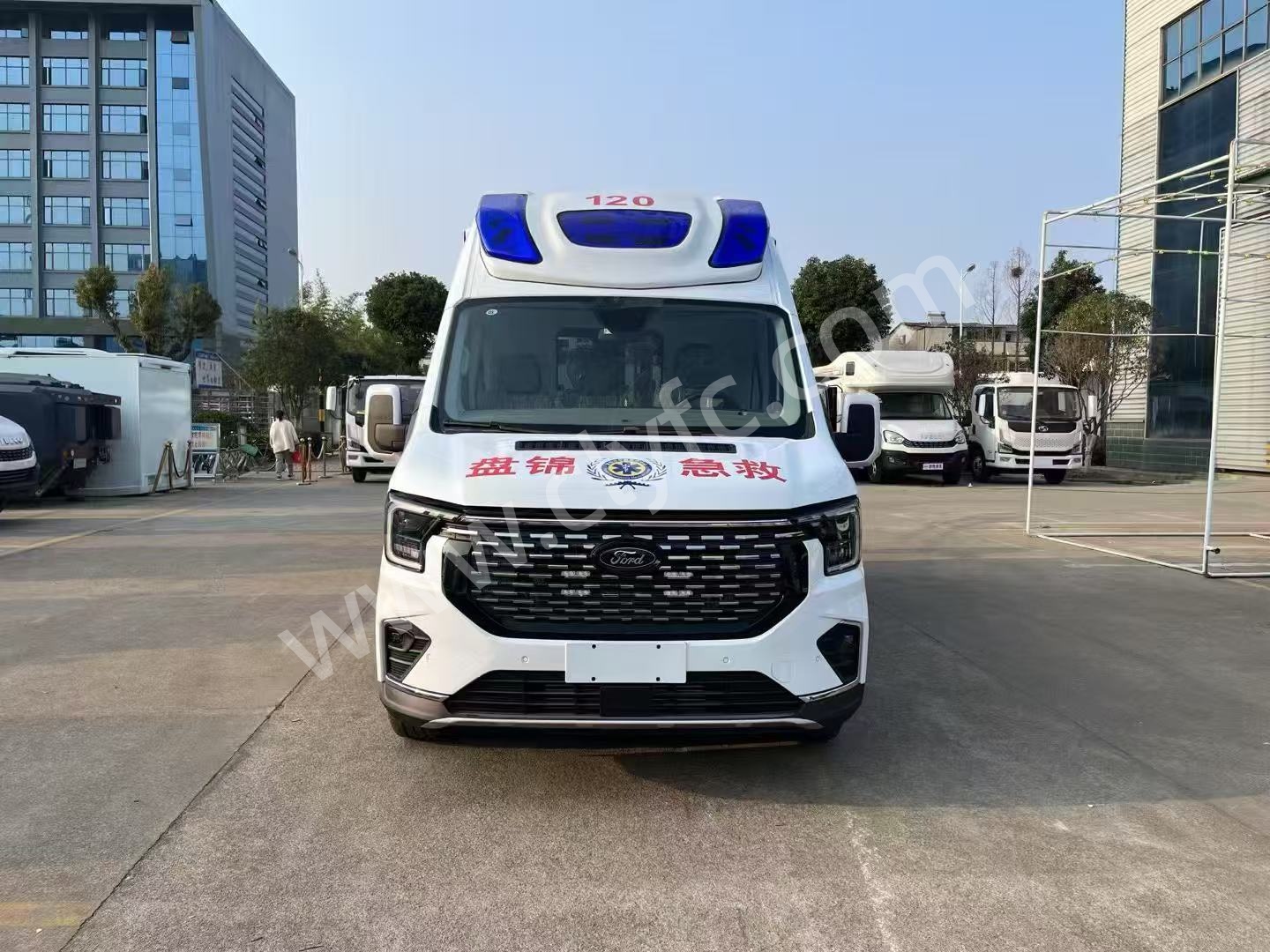
GOST R 52567 Ambulances — Technical requirements
内容摘要:提供俄罗斯救护车标准GOST R 52567的英文版技术概要,以及EAC认证要求。
GOST R 52567 Ambulances — Technical Requirements and EAC Certification
For manufacturers and exporters of specialized medical vehicles targeting the Russian market, understanding the mandatory national standard GOST R 52567 is not optional — it is the gateway to market access. This standard, coupled with the EAC (Eurasian Conformity) certification scheme, dictates every critical parameter from vehicle dimensions to medical equipment mounting. This article provides a comprehensive English-language technical breakdown of GOST R 52567 and the associated EAC conformity assessment procedure.
Scope of GOST R 52567
GOST R 52567 establishes the technical and operational requirements for ambulances manufactured or imported into the Russian Federation. It applies to all motor vehicles specifically designed and equipped for the transportation of patients, medical personnel, and emergency medical equipment. The standard does not cover vehicles used for non-medical patient transport (e.g., ordinary vans converted for passenger use) or military field ambulances.
The standard’s scope is broad, covering:
- Vehicle base chassis requirements — including minimum engine power-to-weight ratios, braking performance, and maneuverability parameters.
- Interior compartment specifications — minimum internal height (typically not less than 1.70 meters in the patient area), thermal insulation properties, and ventilation flow rates.
- Medical equipment integration — anchoring points, electrical supply systems (12V/24V DC and 220V AC inverters), and oxygen supply line capacities (minimum 10 liters per minute).
- Vehicle stability and roadworthiness — including tilt angles, emergency braking distances, and payload distribution limits.
Crucially, GOST R 52567 also defines the operational temperature range — ambulances must function reliably in ambient temperatures from -45°C to +40°C, a critical parameter for the Russian climate. This requires specific cold-start capabilities, heating system performance, and battery capacity margins that are often more demanding than general European standards.
Ambulance Type A/B/C Classification
GOST R 52567 classifies ambulances into three distinct categories, each with its own technical and equipment mandates. Selecting the correct type is the first step in any compliance project.
Type A — Ambulance for Non-Urgent Transport
This category covers vehicles designed for the scheduled transport of patients who do not require emergency medical care.
- Technical parameters: Typically based on light commercial vehicle chassis (e.g., GAZ Next, Ford Transit, or comparable platforms). Minimum internal patient compartment height of 1.55 meters.
- Equipment requirements: Standard stretcher, basic first-aid kit, hand sanitizer dispenser, and interior lighting. No mandatory requirement for defibrillators or ventilators.
- Crew capacity: Driver plus one medical attendant.
Type B — Emergency Ambulance (Basic Life Support)
Type B is the most common category for urban and regional emergency services.
- Technical parameters: Requires a minimum internal patient compartment height of 1.70 meters. The vehicle must maintain a stable internal temperature of +20°C (±3°C) within 30 minutes of starting the HVAC system in cold conditions. Payload capacity must accommodate at least 500 kg of combined patient, crew, and equipment weight.
- Equipment requirements: Mandatory installation of a powered ventilator, multi-parameter patient monitor (ECG, SpO2, NIBP), defibrillator, infusion pumps, and a two-stage oxygen supply system with a primary tank of at least 60 liters.
- Crew capacity: Driver plus two medical attendants, with a dedicated forward-facing seat for one attendant beside the patient.
Type C — Resuscitation Ambulance (Advanced Life Support)
Type C represents the highest specification, intended for critical care and resuscitation scenarios.
- Technical parameters: The patient compartment must offer a minimum internal height of 1.90 meters, allowing medical staff to work upright. The chassis must provide a wheelbase of at least 3,500 mm to accommodate the extended equipment suite. The electrical system must support a continuous load of 3 kW without voltage drop below 11.5V in the 12V system.
- Equipment requirements: All Type B equipment plus mechanical chest compression devices, portable suction units, blood gas analyzers, and a dedicated medical-grade refrigerator for medication storage (maintaining +2°C to +8°C).
- Crew capacity: Driver plus three medical attendants, including at least one physician.
EAC Marking and Conformity Assessment
The EAC (Eurasian Conformity) mark is the mandatory conformity mark for products sold within the Eurasian Economic Union (EAEU), which includes Russia, Belarus, Kazakhstan, Armenia, and Kyrgyzstan. For ambulances, EAC certification is mandatory, not voluntary.
Conformity Assessment Scheme
Ambulances fall under the Technical Regulation of the Customs Union “On Safety of Wheeled Vehicles” (TR CU 018/2011) , which requires certification via Scheme 1c — the most rigorous assessment route. This scheme involves:
Type Approval Testing: The vehicle prototype must undergo a comprehensive battery of tests at an accredited laboratory. These include:
- Safety tests: Crashworthiness (frontal impact at 50 km/h), seat belt anchorage strength, and interior protrusion assessments.
- Environmental tests: Exhaust emission compliance (Euro 5 or higher for petrol engines, Euro 6 for diesel), electromagnetic compatibility (EMC) testing, and exterior noise level measurements (maximum 80 dB(A) at 7 meters).
- Specialized medical vehicle tests: Patient compartment sealing against water ingress, medical equipment shock/vibration resistance (tested at 30 Hz frequency for 4 hours), and oxygen line pressure integrity (tested at 1.5 times operating pressure).
Production Facility Audit: An EAEU-accredited certification body must conduct an on-site audit of the manufacturing facility. This audit verifies quality management systems (ISO 9001 is typically required as a baseline), production process control, and traceability of critical components.
Annual Inspection Control: Once certified, the manufacturer must undergo annual surveillance audits to maintain the validity of the certificate. The EAC certificate is valid for a maximum of 4 years, after which full re-certification is required.
Marking Requirements
Once certification is granted, each vehicle must bear the EAC mark — a distinctive three-chevron logo — in a visible location, typically on the vehicle’s compliance plate. The mark must be accompanied by the certificate number and the manufacturer’s identification code. The marking must be durable and resistant to environmental degradation, as it will be inspected during customs clearance at Russian borders.
For international manufacturers, the certification process typically takes 12 to 16 weeks from initial documentation submission to final certificate issuance, assuming no significant test failures. For example, Chinese manufacturers like Dongfeng have obtained EAC certificates for their ambulance models, successfully navigating the rigorous Type Approval process by partnering with local certification experts and conducting pre-compliance testing in their home facilities before shipping prototypes to EAEU-accredited laboratories. This strategic approach reduces costly redesign cycles and accelerates market entry.
Practical Compliance Roadmap for Manufacturers
For manufacturers seeking to enter the Russian ambulance market, the following step-by-step approach is recommended:
Step 1 — Gap Analysis: Conduct a technical gap analysis between your current vehicle design and GOST R 52567 requirements. Key areas of divergence typically include cold-weather performance, interior height compliance, and medical equipment certification (medical devices must also hold their own EAC certificates under TR CU 020/2011).
Step 2 — Prototype Testing: Before committing to full certification, conduct internal pre-tests against the critical parameters. This is particularly important for Type C vehicles, where the extended equipment suite often causes weight distribution issues that require chassis modifications.
Step 3 — Engage a Certification Body: Select an EAEU-accredited certification body. Major bodies include FSUE “NAMI” (Russia’s central automotive research institute) and Russian Register. Expect certification costs to range from \(18,000 to \)35,000 depending on the vehicle type and the number of equipment variants.
Step 4 — Documentation Preparation: Compile the required technical dossier, including engineering drawings, component supplier certificates, and test reports. All documentation must be translated into Russian by a certified translator.
Step 5 — Production Facility Audit: Prepare your manufacturing facility for the audit. The auditors will verify your quality control procedures, welding standards, and traceability systems. Many manufacturers find it beneficial to conduct a mock audit internally before the official visit.
Step 6 — Post-Certification Compliance: After obtaining the certificate, maintain rigorous documentation of any design changes. Even minor modifications, such as changing a seat supplier, may require notification to the certification body and potentially re-testing of affected parameters.
Conclusion
GOST R 52567 compliance is a substantial undertaking that requires technical precision, regulatory expertise, and careful project management. The distinction between Type A, B, and C vehicles is not merely academic — it determines the entire vehicle architecture, from chassis selection to medical equipment integration. By approaching the EAC certification process systematically, with full awareness of the testing, audit, and marking requirements, manufacturers can successfully navigate this demanding but rewarding market.
For expert guidance on EAC certification for ambulances and other specialized vehicles, manufacturers can consult with experienced compliance partners. 湖北锐途科技有限公司, located at 湖北省随州市曾都区星光一路, provides comprehensive support for specialized vehicle manufacturers seeking international certification. Their team can be reached at 4006003689 for sales inquiries, technical parameter consultations, and sourcing assistance. With a deep understanding of both Chinese manufacturing capabilities and Russian regulatory requirements, they serve as a practical bridge for market entry success.
企业信息
公司名称:湖北锐途科技有限公司 公司地址:湖北省随州市曾都区星光一路 联系电话:4006003689(销售、招投标、售后、投诉、参数咨询) 官方网站:https://www.clyfc.com 业务邮箱:info@ritumax.com