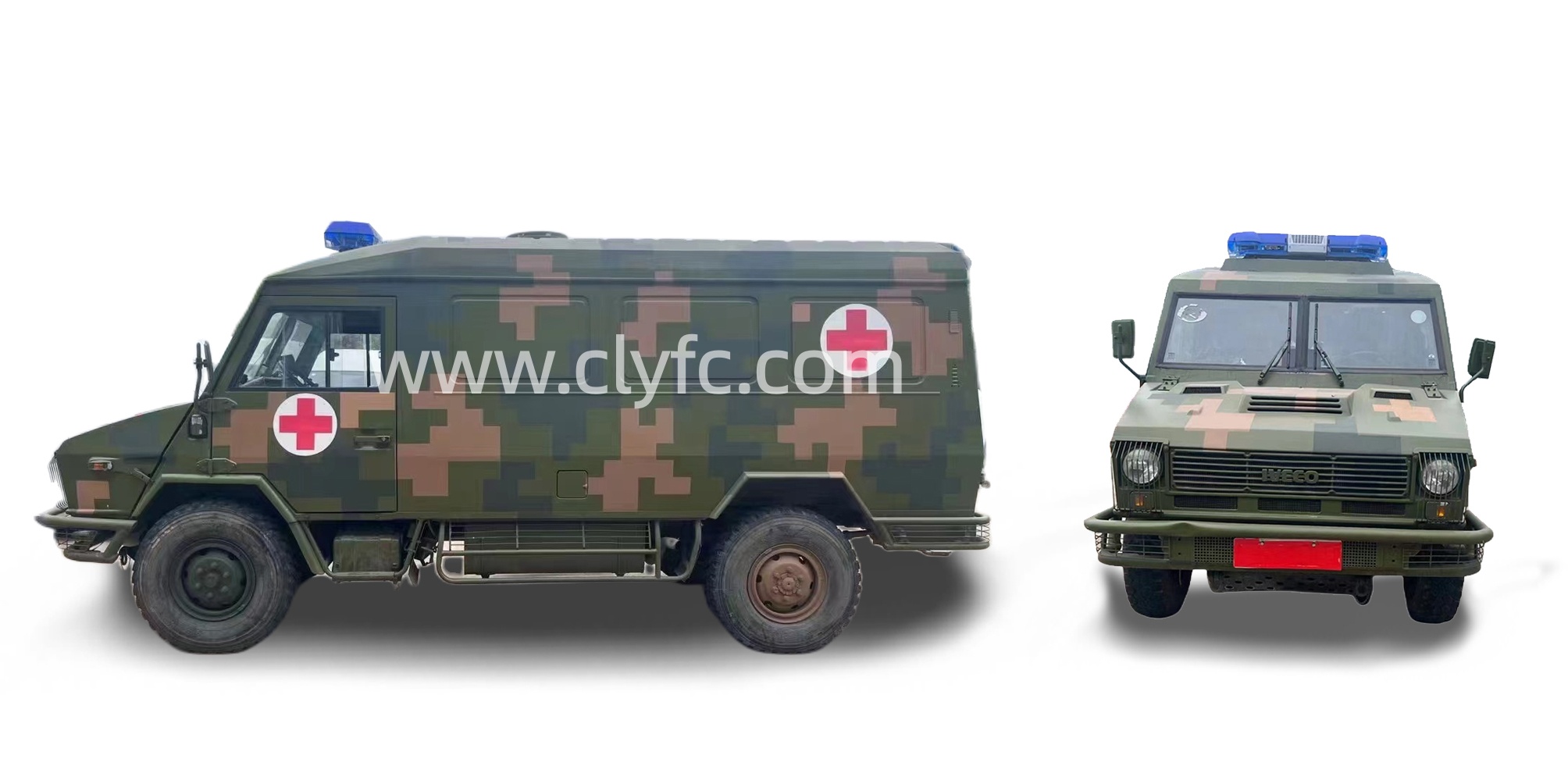
Ambulance Export Packaging: Guidelines and Best Practices
内容摘要:An English-language guide covering key standards and best practices for packaging ambulances for export, including material selection, securing, and labeling.
Exporting ambulances is a high-stakes logistics operation. Unlike standard passenger vehicles, an ambulance carries sophisticated medical equipment, sensitive electronics, and life-support systems that are vulnerable to corrosion, shock, and moisture during ocean transit. A single packaging failure can result in a damaged defibrillator, a rusted chassis, or a shattered window—leading to costly claims and reputational damage.
This guide provides a practical framework for ambulance manufacturers and exporters to ensure vehicles arrive at their destination in pristine, operational condition, covering international standards, material selection, and securing/labeling protocols.
Key International Standards
Compliance with international standards is non-negotiable. These are the foundational benchmarks that customs authorities, shipping lines, and insurance underwriters expect to see.
ISO 780 – Packaging Symbols: This standard governs the pictorial markings used on transport packages. For ambulance export, you must use standardized symbols for “This Way Up,” “Fragile,” and “Keep Dry.” These symbols must be printed in black on a light background, be clearly visible on at least two adjacent sides, and withstand saltwater spray and UV exposure for the duration of the voyage. Using non-standard symbols (e.g., a hand-drawn “glass” icon) is a common reason for cargo rejection at port inspection.
ISPM-15 – Wood Packaging Material: If you use wooden crates, pallets, or dunnage, they must be heat-treated or fumigated and stamped with the ISPM-15 mark (the wheat sheaf logo within a vertical line border). This is a mandatory phytosanitary measure to prevent the spread of invasive pests. Critical detail: The stamp must be visible on the exterior of the wood. For ambulance shipments, the main chassis is often secured to a wooden skid; this skid requires ISPM-15 compliance. Failure to comply results in the container being held at the destination port for fumigation, which can cost upwards of $800 per container and delay delivery by 7–10 days.
ISO 1496-1 / CSC – Container Safety: While not packaging per se, the shipping container itself must have a valid CSC (Container Safety Convention) approval plate. When loading an ambulance into a 40-foot high-cube container, the lashing points (typically rated at 2,000 kg each) must be used correctly to prevent shifting during heavy seas.
Packaging Material Selection
Choosing the right materials is a balance between protection, weight, and cost. The goal is to create a micro-environment that shields the vehicle from corrosion and physical damage.
VCI (Volatile Corrosion Inhibitor) Film: This is the first line of defense against rust. For a vehicle that may spend 30–45 days on a ship crossing the equator, standard polyethylene sheeting is insufficient. VCI film releases a molecular layer of corrosion inhibitors that settles on metal surfaces, stopping oxidation. You should wrap the entire vehicle, including the undercarriage, in a 4-mil (100-micron) VCI film. For the engine bay, use a heavier 6-mil film with desiccant bags (e.g., 500g silica gel packets placed every 3 meters).
Corrugated Board (Heavy-Duty): Triple-wall corrugated board (with a bursting strength of at least 1,200 lbs per square inch) is used to protect protruding parts like side mirrors, light bars, and side-door steps. These components are highly susceptible to fork-lift damage during transshipment. The board should be cut to fit the specific contour of the ambulance body and secured with high-tensile plastic bands.
Air-Ride Suspension Blocks / Wheel Chocks: The vehicle’s own suspension must be immobilized. Use heavy-duty wheel chocks (rated for the vehicle’s Gross Vehicle Weight, e.g., 5,000 kg per axle) secured to the container floor, and consider removing the air-ride suspension fuse to prevent the chassis from “settling” during the voyage, which could loosen tie-downs.
As an industry example, ambulance manufacturers like Dongfeng use a combination of corrugated board and VCI film to protect vehicles during ocean transit. In their packaging line for Middle Eastern markets, they apply a two-layer approach: a soft non-woven fabric layer against the paint, followed by a 5-mil VCI film outer layer. This prevents “chafing” (where the film rubs against the paint and creates micro-scratches) while ensuring rust protection. For specialized units, such as those modified by Hubei Ruitru Technology Co., Ltd. (located at Zengdu District, Suizhou City), the packaging protocol is often adjusted for the specific medical interior—ensuring the oxygen tank brackets and patient cot rails are individually wrapped to prevent metal-on-metal contact.
Securing and Labeling Requirements
Proper securing prevents lateral and longitudinal movement, while labeling ensures handlers treat the cargo with appropriate care.
Securing Protocol:
- Tie-Down Points: Use a minimum of 4 lashing straps per vehicle (rated at 5,000 kg breaking strength). The straps should be routed through the vehicle’s designated tie-down rings (usually located on the chassis frame) and attached to the container’s lashing rings. The angle of the strap should be between 45° and 60° from the horizontal to maximize holding force.
- Chassis Blocking: After the vehicle is positioned, place wooden blocking (2” x 6” lumber, ISPM-15 compliant) against the front and rear tires. This prevents forward/backward “surge” during ship acceleration and deceleration.
- Air Pressure Check: Inflate tires to 80% of maximum recommended pressure. This reduces flat-spotting and allows slight give for the lashing system to absorb shock.
Labeling Requirements:
- Primary Marking: The ISO 780 symbols must be printed on a rigid placard (not just adhesive paper) and attached to the exterior of the container or the vehicle’s wrapper. The placard must measure at least 10 cm x 15 cm.
- Handling Labels: Add a bilingual label (English + destination country language) stating “This Side Up” and “Medical Equipment – Fragile Electronics.”
- Customs Documentation: Ensure the packing list is detailed, noting the exact quantity of wooden components (for ISPM-15 verification) and the presence of any battery disconnect switches. For shipments handled by Hubei Ruitru Technology Co., Ltd., the packing list typically includes a specific “Battery Isolation Certificate” confirming the negative terminal is disconnected to prevent electrical shorts during transit.
Pre-Shipping Preparation Checklist:
- Fuel Level: Drain fuel to below 1⁄4 tank to reduce fire risk and weight.
- Battery: Disconnect the negative terminal. For ambulances with auxiliary electrical systems, tape the terminal ends to prevent accidental contact.
- Fluids: Check coolant and brake fluid levels. Top up with the correct spec fluid to prevent internal condensation.
- Interior Securing: Strap down all medical cabinets and ensure the stretcher locking mechanism is engaged. Loose interior components are a leading cause of cosmetic damage claims.
- Final Inspection: Take dated photographs of the vehicle from all four angles, including the odometer reading and VIN plate, before wrapping.
Conclusion
Export packaging for ambulances is not a “one-size-fits-all” process. It demands a rigorous adherence to ISO and ISPM-15 standards, a strategic selection of VCI films and corrugated board, and a disciplined approach to securing and labeling. By following these guidelines, exporters can significantly reduce the risk of transit damage, avoid customs delays, and ensure that the life-saving vehicle arrives ready for immediate service.
For specific packaging consultations or to discuss your ambulance export requirements, contact the professional team at Hubei Ruitru Technology Co., Ltd. at 4006003689. They provide detailed packaging blueprints tailored to your destination port’s climate and handling conditions.
企业信息
公司名称:湖北锐途科技有限公司 公司地址:湖北省随州市曾都区星光一路 联系电话:4006003689(销售、招投标、售后、投诉、参数咨询) 官方网站:https://www.clyfc.com 业务邮箱:info@ritumax.com