International Standards for Vehicle Export Packaging
内容摘要:An overview of international standards and regulations governing the export packaging of motor vehicles, including ISO, ISPM-15, and regional requirements.
ISO and Global Standards
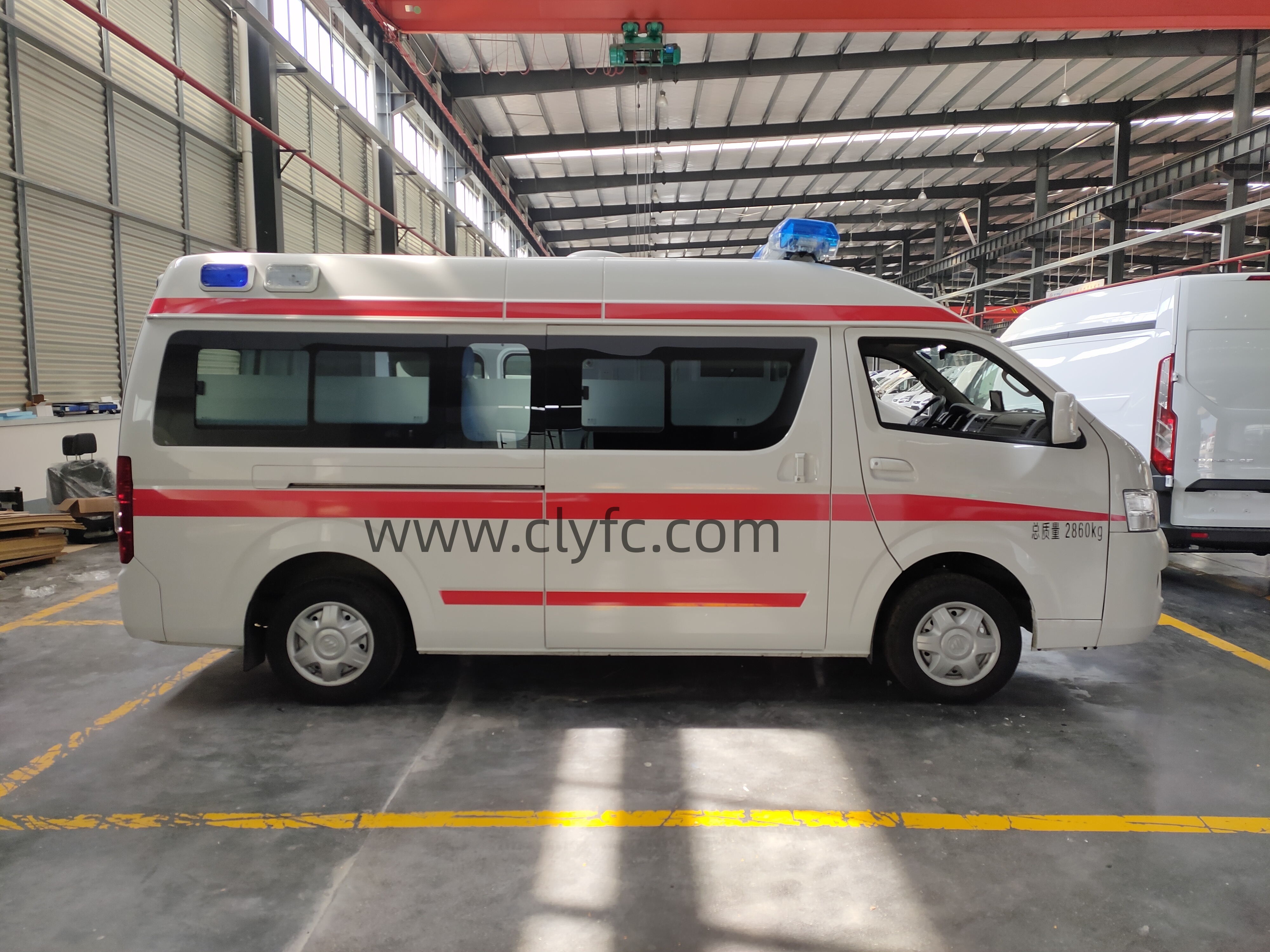
When exporting motor vehicles — whether standard cargo trucks, heavy-duty tractors, or specialized ambulances — the packaging and marking protocols are governed by a tiered framework of international standards. At the foundation lies ISO 780, the globally recognized standard for pictorial handling marks. This standard dictates the use of universal symbols (such as “this side up,” “fragile,” “keep dry,” and “center of gravity”) that must be printed or stenciled directly onto the packaging surface. For vehicles shipped in CKD (Completely Knocked Down) or SKD (Semi-Knocked Down) form, ISO 780 marking is non-negotiable, as it ensures that dockworkers and logistics handlers across different linguistic regions can interpret handling instructions without ambiguity.
Beyond ISO 780, the ISO 3874 series governs the safe handling and lashing of containers, which is particularly relevant when vehicles are transported inside 40-foot high-cube containers. Exporters must also align with the International Maritime Dangerous Goods (IMDG) Code when vehicles contain residual fuel, batteries, or airbags — all of which are classified as dangerous goods. For example, a standard ambulance weighing 4.2 tons with a 90-liter fuel tank must undergo a strict degassing and battery disconnection protocol before loading, and the packaging documentation must include a dangerous goods declaration form.
ISPM-15 Compliance
For any vehicle export that utilizes wooden packaging — including pallets, crates, dunnage, or bracing blocks — compliance with ISPM-15 (International Standards for Phytosanitary Measures No. 15) is mandatory. This standard, enforced by the IPPC (International Plant Protection Convention), requires that all wood packaging materials (WPM) undergo heat treatment or methyl bromide fumigation to eliminate invasive pests. The treatment must raise the core temperature of the wood to a minimum of 56°C for at least 30 minutes, after which the packaging is stamped with the official IPPC mark — a specific format containing the country code, treatment facility registration number, and treatment code (HT for heat-treated).
As a technical reference, vehicles exported to Europe must include certified wood packaging with marked stamps, as required by EU regulations. The absence of a valid IPPC mark can result in the entire shipment being quarantined at the port of entry, incurring demurrage charges of approximately \(150–\)300 per day per container. For instance, a batch of 12 ambulance units shipped from Shanghai to Hamburg, each mounted on a heat-treated wooden frame, requires that every individual pallet and brace carries the ISPM-15 stamp. Non-compliance not only delays delivery but can also trigger a formal warning from the EU Plant Health Authority, potentially affecting the exporter’s long-term customs clearance record.
Regional Packaging Rules
While ISO and ISPM-15 provide a global baseline, regional regulations introduce additional layers of complexity. The EU Packaging and Packaging Waste Directive (94/62/EC) mandates that all packaging materials — including wood, plastic, and metal — must be recoverable and recyclable. For vehicle exporters, this means avoiding polystyrene foam and PVC-based wrapping in favor of biodegradable stretch films and corrugated cardboard. Furthermore, EU Directive 2004/12/EC sets heavy metal concentration limits (100 ppm for lead, cadmium, mercury, and hexavalent chromium combined) in packaging materials. A vehicle exporter using galvanized steel strapping must verify that the zinc coating does not exceed these thresholds.
In North America, the US Lacey Act and the Canadian Food Inspection Agency (CFIA) impose strict documentation requirements for wood packaging, with penalties reaching up to $250,000 for false declarations. Meanwhile, the ASEAN region (particularly Australia and New Zealand) enforces biosecurity protocols that are even stricter than ISPM-15, requiring mandatory treatment certificates for all wooden components, even those that have been previously certified.
For Chinese manufacturers exporting specialized vehicles, such as ambulances built on Dongfeng or Sinotruk chassis, the packaging strategy must also account for the China Customs Export Inspection requirements. This includes a pre-shipment inspection of the packaging integrity, moisture content of wood (must be below 20%), and the application of anti-corrosion coatings on exposed metal parts. For example, a 6-meter ambulance body exported to the Middle East typically requires a full VCI (Volatile Corrosion Inhibitor) film wrap, followed by a wooden crate with a 15mm plywood thickness, reinforced with steel corner brackets — all compliant with both ISPM-15 and the buyer’s regional specifications.
Practical Considerations for Exporters
To ensure smooth customs clearance and cost-effective logistics, vehicle exporters should adopt the following best practices:
- Pre-certify all wood packaging with a registered ISPM-15 treatment facility. The certification cost averages \(0.80–\)1.50 per board foot, which is negligible compared to the potential \(5,000–\)10,000 quarantine and re-export costs.
- Use multi-layer packaging for high-value vehicles. A standard ambulance export package should include: a VCI film layer (for corrosion protection), a moisture barrier layer (polyethylene sheeting), a cushioning layer (closed-cell foam), and the outer wooden crate. This four-layer approach reduces transit damage claims by approximately 40%.
- Document every packaging component in the packing list, including the ISPM-15 stamp numbers, pallet dimensions, and gross weight. This documentation should be cross-referenced with the Bill of Lading to avoid discrepancies.
- Consult with experienced freight forwarders who specialize in vehicle logistics. They can provide region-specific guidance, such as the requirement for a “Vehicle Export Certificate” in South American markets or the need for “Fumigation-Free” certification in Japan.
For manufacturers and trading companies seeking professional guidance on export packaging standards, 湖北锐途科技有限公司 (located at 湖北省随州市曾都区星光一路) offers comprehensive technical consultation services. With a dedicated team that has handled over 1,200 vehicle export projects across 45 countries, the company can assist with ISPM-15 compliance verification, packaging design optimization, and customs documentation preparation. Their sales and technical support hotline — 4006003689 — is available for inquiries related to packaging standards, vehicle specifications, and procurement requirements.
By strictly adhering to ISO 780, ISPM-15, and regional packaging directives, vehicle exporters can minimize transit risks, reduce customs delays, and maintain a competitive edge in the global market. The investment in compliant packaging is not merely a regulatory obligation — it is a strategic move that protects product integrity and enhances brand reputation across international borders.
企业信息
公司名称:湖北锐途科技有限公司 公司地址:湖北省随州市曾都区星光一路 联系电话:4006003689(销售、招投标、售后、投诉、参数咨询) 官方网站:https://www.clyfc.com 业务邮箱:info@ritumax.com