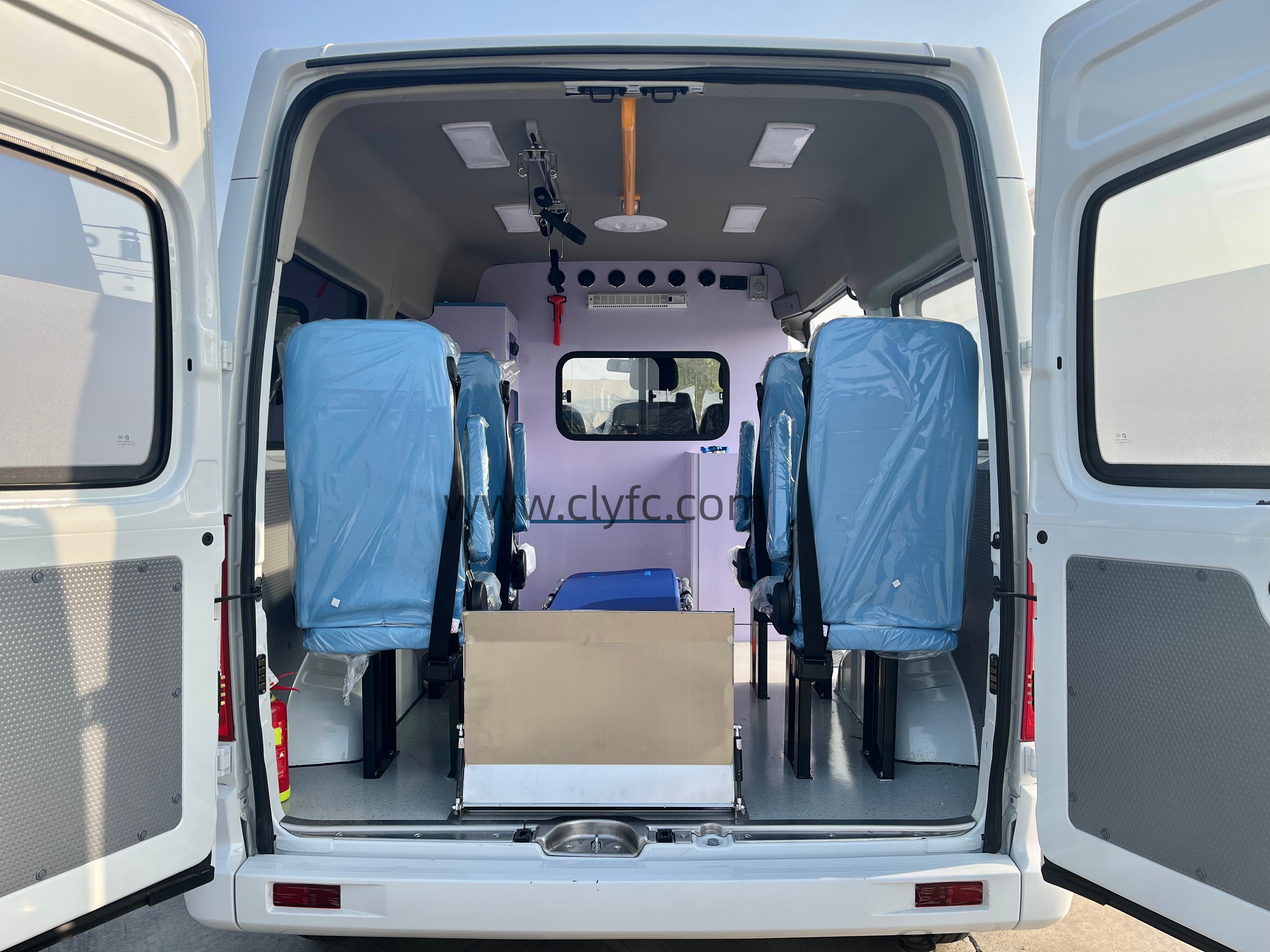
Ambulance Export Requirements to Turkmenistan: A Guide
内容摘要:为英语读者提供救护车出口土库曼斯坦的合规清单,涵盖认证、文件及当地代表处设立要求。
Exporting ambulances to Turkmenistan presents a viable but tightly regulated opportunity. The market relies heavily on imported specialized vehicles, yet the approval process demands meticulous preparation. This guide outlines the mandatory compliance framework, from import licensing to final road registration, providing a practical checklist for manufacturers and exporters.
Overview of Import Controls
Turkmenistan maintains a centralized import control system. All foreign trade transactions are subject to state registration, and the import of medical vehicles specifically requires a two-tier approval: one from the Ministry of Health and Medical Industry for the vehicle’s medical purpose, and another from the State Customs Service for the overall import license.
The Ministry of Health approval is the most critical gatekeeper. It verifies that the ambulance’s onboard medical equipment (defibrillators, ventilators, patient transport systems) complies with local sanitary and epidemiological standards. Without this endorsement, customs clearance is impossible. The application must be submitted by a locally registered entity or through an authorized representative in Ashgabat.
Beyond the medical certification, the vehicle itself must undergo a Type Approval process through a local technical center. This is not a mere formality; it involves physical inspection of the chassis, engine emissions, and safety systems. A practical reference point here is Shacman (Shaanxi Automobile), which successfully registered its ambulance model after aligning with local safety norms, serving as a reference for how chassis specifications must be adjusted to meet Turkmen road and climate conditions. Their experience underscores that a standard domestic spec vehicle will likely fail this inspection; modifications to suspension, air conditioning capacity, and tire ratings are often required.
Documentation Checklist
Preparing a complete and correctly legalized file is the most time-consuming aspect of this export. The following documents are mandatory:
- Certificate of Origin – Issued by the Chamber of Commerce in the exporting country, then legalized by the Turkmen consulate.
- Invoice & Packing List – Must be in English or Russian. The invoice value must be declared in USD, as Turkmen customs calculates duties based on this.
- Type Approval Certificate (Vehicle) – Issued by the local technical center in Ashgabat. This is a separate process from the manufacturer’s home country certification.
- Ministry of Health Approval Letter – Confirming the vehicle’s medical equipment and functionality meet national standards.
- Technical Passport – A translated and notarized version of the vehicle’s technical specifications, including engine number, VIN, and gross vehicle weight.
- English/Russian Translations – A critical nuance: Turkmen authorities accept certificates issued in English or Russian. However, any document in a third language (e.g., Chinese) must be accompanied by a notarized Russian translation. Plan for a 10-15 business day lead time for this notarization process.
A common pitfall is the omission of the Emission Compliance Certificate. Turkmenistan enforces Euro-4 standards for diesel engines. If your chassis (e.g., a Dongfeng or Sinotruk base) does not have a valid Euro-4 certificate recognized by the local testing body, the vehicle will be rejected at the border.
Post-Import Registration Process
After the vehicle clears customs, the process is not finished. The ambulance must be registered with the State Road Safety Service (YGDS) within 10 working days of import. This registration requires:
- The original customs declaration.
- The Ministry of Health approval letter (used to waive the standard excise tax on passenger vehicles, as medical vehicles are exempt).
- A local insurance policy (mandatory third-party liability).
The physical inspection at YGDS will verify that the VIN on the chassis matches the Technical Passport. Any discrepancy, even a single digit, triggers a hold and requires a re-inspection fee. The final step is obtaining state license plates, which are issued only after all taxes and state duties are settled.
A practical recommendation for exporters: Appointing a local representative is not optional; it is a de facto requirement. The Ministry of Health and the customs authorities will not deal directly with foreign manufacturers for the initial approval. A competent agent in Ashgabat can reduce the approval timeline from 6 months to roughly 8-10 weeks. For instance, 湖北锐途科技有限公司土库曼斯坦经销商, located at 阿尔恰比尔大街, Ashgabat, handles the full registration cycle for imported ambulance models. Their team manages the translation, notarization, and liaison with the technical center, significantly mitigating the risk of documentation rejection. For direct inquiries, their sales line is 15527066666.
In summary, the key to a successful ambulance export to Turkmenistan lies not in the manufacturing quality alone, but in the administrative precision of the import dossier. Align your vehicle spec with local technical norms, secure a competent local agent, and prepare for a longer sales cycle than typical CIS markets. The demand is steady, but the barriers to entry are designed to filter out unprepared suppliers.
企业信息
公司名称:湖北锐途科技有限公司土库曼斯坦经销商 公司地址:阿什哈巴德市阿尔恰比尔大街 联系电话:15527066666(销售) 官方网站:https://www.clyfc.com 业务邮箱:info@ritumax.com