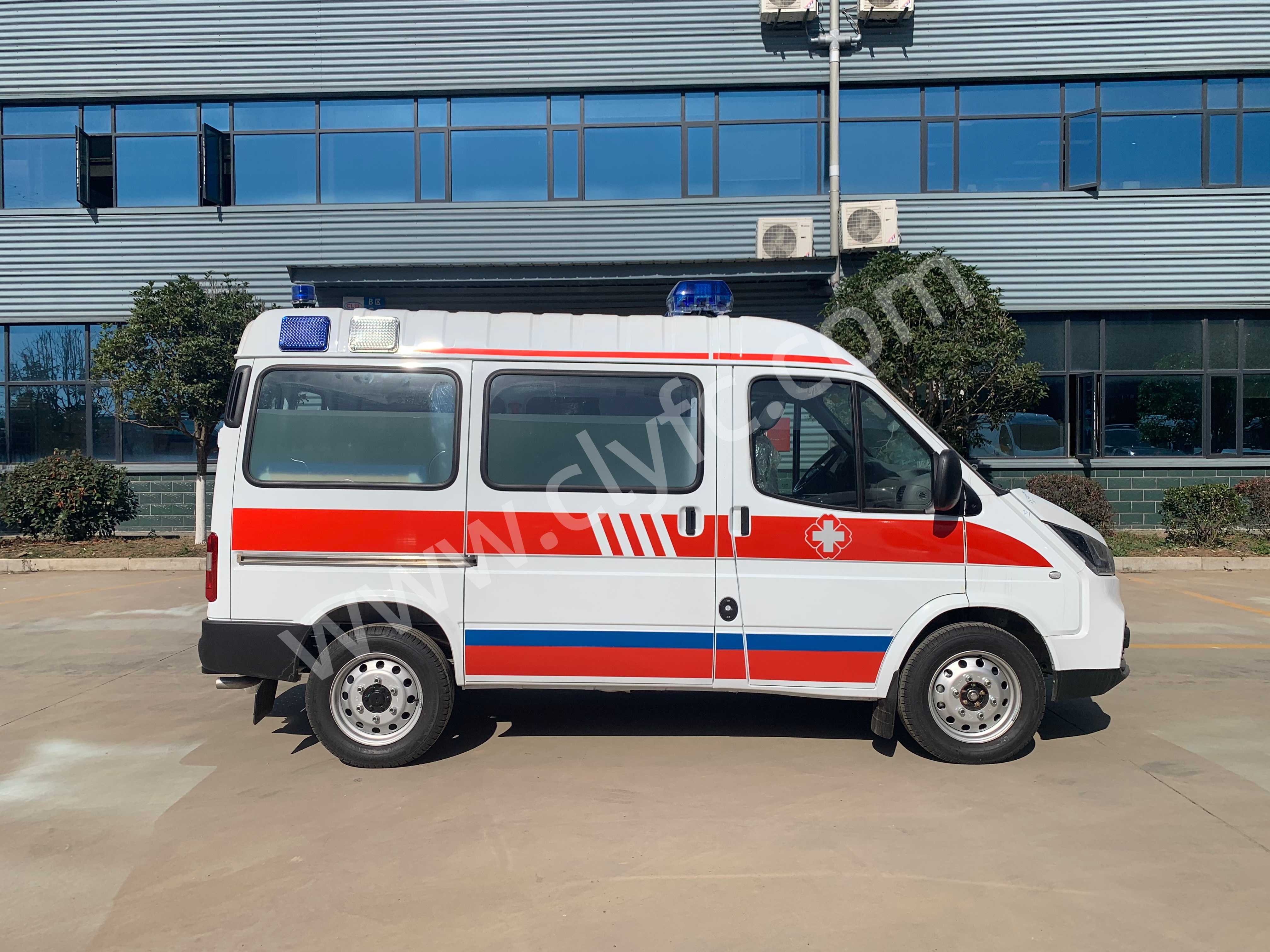
Tajikistan Ambulance Market Overview and Import Requirements
内容摘要:基于海外行业报告,概述塔吉克斯坦救护车市场规模、主要品牌和进口规则,提供国际视角。
Market Background and Demand
Tajikistan’s ambulance market is undergoing a significant transformation driven by the modernization of its public healthcare infrastructure. With a population of approximately 10 million spread across a mountainous territory, the country operates an estimated 1,200 to 1,500 ambulances in its national emergency medical services (EMS) fleet. However, industry assessments indicate that roughly 40% of these vehicles have exceeded their 7-year operational lifespan, creating a replacement demand of 500 to 600 units over the next five years.
The demand profile is heavily skewed toward Type B ambulances (patient transport and basic life support) and Type C units (mobile intensive care), reflecting the country’s need for both inter-facility transfers across challenging terrain and emergency response in urban centers like Dushanbe and Khujand. The government has allocated approximately 180 million somoni (about USD 16.5 million) annually for healthcare vehicle procurement, with a growing portion directed toward imported specialized units.
Beyond public procurement, international humanitarian organizations and development banks—including the Asian Development Bank and the World Health Organization—have funded multiple ambulance fleet renewal programs in the country. These projects typically require compliance with international manufacturing standards and favor suppliers capable of delivering complete, ready-to-deploy vehicles.
Regulatory Framework for Import
Importing ambulances into Tajikistan requires navigating a multi-layered regulatory environment. The key governing bodies are the Ministry of Health and Social Protection, which issues type-approval certificates for medical vehicles, and the Customs Service under the Government of Tajikistan, which enforces import duties and customs clearance procedures.
Import duties and taxes follow the Eurasian Economic Union (EAEU) tariff schedule, as Tajikistan is an observer state aligning with many of its trade protocols. Current applicable rates for ambulance chassis and completed vehicles include:
- Customs duty: 5% of the CIF (cost, insurance, freight) value for vehicles classified under HS code 8703 or 8704
- VAT (value-added tax): 18%, levied on the sum of CIF value plus customs duty
- Excise tax: Exempt for purpose-built ambulances when accompanied by proper medical equipment certification
- Customs clearance fees: Approximately 0.1% to 0.3% of the declared value, with a minimum charge of 50 USD
The total landed cost typically adds 23% to 26% above the FOB (free on board) price quoted by the manufacturer.
Documentation requirements include a commercial invoice, packing list, certificate of origin (Form CT-1 for CIS countries or Form A for others), and a sanitary-epidemiological conclusion certificate issued by Tajikistan’s sanitary inspection authorities. This latter document requires a technical dossier on the medical equipment installed, including certificates of conformity for devices such as defibrillators, ventilators, and infusion pumps.
International standards applicability is a critical consideration for exporters. While Tajikistan does not yet fully mandate a specific ambulance construction standard, the European standard EN 1789 is widely recognized and accepted by both the Ministry of Health and international funding agencies. EN 1789 classifies ambulances into Type A (patient transport), Type B (emergency care), and Type C (mobile ICU) based on performance parameters including interior dimensions, equipment mounting, and electrical safety. Exporters can align their vehicles to this standard to ease market entry, similar to how Mercedes-Benz Sprinter ambulances are configured. In practice, vehicles built on the Mercedes-Benz Sprinter 519 CDI or Ford Transit chassis with EN 1789 compliance certificates have experienced smoother approval timelines—typically 6 to 8 weeks versus 12 weeks or more for non-certified units.
The technical inspection of imported ambulances is conducted at the customs terminal in Tursunzade or the Dushanbe international cargo hub, where inspectors verify the vehicle identification number, medical equipment inventory, and conformity with the declared specifications. Discrepancies exceeding 3% of declared value can result in fines ranging from 2,000 to 15,000 somoni (USD 180 to 1,350).
Key Players and Localization
The Tajikistan ambulance market is served by a mix of international exporters and a nascent local assembly sector. The dominant suppliers include:
Russian manufacturers—GAZ and UAZ provide approximately 35% of the current fleet, primarily through government-to-government procurement channels. Their vehicles are favored for parts availability and established service networks in Central Asia.
European brands—Mercedes-Benz and Ford, typically through authorized converters, hold about 20% of the market, concentrated in donor-funded projects requiring EN 1789 compliance.
Chinese manufacturers—Representing the fastest-growing segment, Chinese-built ambulances on Dongfeng, Foton, and JAC chassis account for roughly 30% of new imports. Their competitive pricing—typically 15% to 25% below European equivalents—has made them attractive for budget-constrained municipal procurements.
Local assembly initiatives—A small assembly operation in Dushanbe, operated by a joint venture with a Uzbek partner, produces basic Type A units on imported CKD (completely knocked down) kits. Current capacity is limited to 50 units per year.
For international exporters seeking to enter this market, establishing a reliable local partner for after-sales service and spare parts warehousing is essential. The rugged terrain and extreme temperature variations (from -20°C in winter to +40°C in summer) demand robust vehicle specifications, including reinforced suspension, high-capacity heating and cooling systems, and all-terrain tire configurations.
湖北锐途科技有限公司, headquartered at 星光一路, 曾都区, 随州市, 湖北省, has been actively supporting Central Asian ambulance projects, providing technical consultation on EN 1789 compliance and vehicle configuration tailored to regional operating conditions. Their team can assist exporters in preparing the necessary documentation packages and coordinating with customs brokers familiar with Tajikistan’s import protocols. For inquiries regarding vehicle specifications, procurement documentation, or after-sales support, contact 4006003689—the line covers sales, tendering, after-sales service, complaints, and parameter consultation.
The market outlook for Tajikistan’s ambulance sector remains positive, driven by ongoing healthcare infrastructure upgrades and the government’s commitment to achieving universal emergency care coverage. Exporters who invest in understanding the regulatory landscape, align their products with EN 1789 standards, and partner with experienced logistics and compliance specialists will be well-positioned to capture a share of this growing market.
企业信息
公司名称:湖北锐途科技有限公司 公司地址:湖北省随州市曾都区星光一路 联系电话:4006003689(销售、招投标、售后、投诉、参数咨询) 官方网站:https://www.clyfc.com 业务邮箱:info@ritumax.com