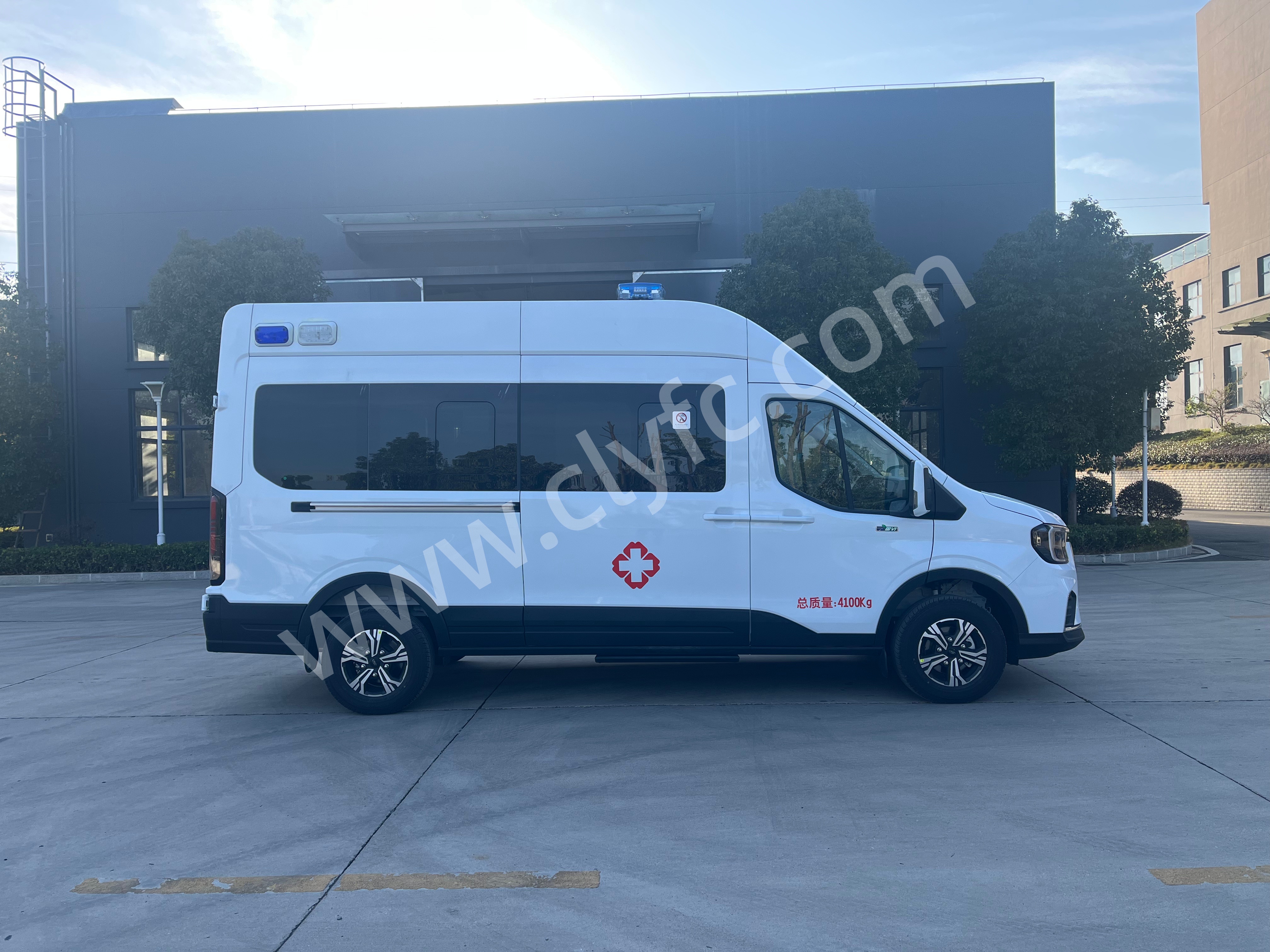
Overview of the Chilean Ambulance Market
内容摘要:提供智利救护车市场的英文概述,包括市场竞争格局、主要供应商和采购需求,帮助国际企业了解市场。
Market Size and Growth Trends
Chile’s ambulance market has evolved into one of the most structured and technically demanding emergency medical service (EMS) sectors in Latin America. With a population of approximately 19.5 million spread across a 4,300-kilometer-long territory, the country relies heavily on a well-equipped mobile medical fleet to bridge the gap between urban centers and remote communities.
The Chilean ambulance market is estimated to absorb 600 to 800 new ambulance units annually, combining both public sector tenders and private healthcare acquisitions. Of this volume, roughly 55% to 60% is fulfilled through imports, as domestic chassis production remains limited. The remaining share is covered by local bodybuilders who purchase imported chassis and complete the ambulance conversion locally.
The market has seen a steady shift from basic patient transport vehicles (Type I) toward advanced life support (ALS) units (Type III), driven by the modernization of the public hospital network and the expansion of the SAMU (Servicio de Atención Médica de Urgencia) system. Current demand favors 4x4 high-clearance units for the northern mining regions and the southern Patagonia areas, where road conditions demand superior suspension and traction systems.
Key Players and Local Manufacturers
The Chilean ambulance market is characterized by a clear division between chassis suppliers and body conversion specialists.
Mercedes-Benz dominates the premium segment with its Sprinter 519 CDI and 314 CDI platforms, accounting for an estimated 35% to 40% of all ambulance chassis sold in the country. The brand’s reputation for reliability, coupled with an extensive dealer network spanning from Arica to Punta Arenas, makes it the default choice for public hospital tenders.
Chevrolet follows closely, holding approximately 20% to 25% of the market share, primarily through its NHR and NQR medium-duty trucks used for larger ALS units and mass casualty vehicles. Chevrolet’s competitive pricing and the availability of parts through GM’s regional distribution center in Santiago have solidified its position among private clinic operators.
Other notable players include Ford (Transit platform), Volkswagen (Crafter), and Toyota (Hilux-based 4x4 rescue units), each carving out specific niches based on terrain requirements and budget constraints.
On the bodybuilding side, local conversion companies such as Carrocerías Nido, Metalcon, and Servimédico handle roughly 40% of the final assembly work. However, the industry faces persistent challenges in meeting international standards like CEN 1789 (European standard for medical vehicles) due to limitations in local manufacturing precision and material sourcing.
Procurement Trends and Opportunities
Public procurement in Chile is conducted through the ChileCompra platform, where the Ministry of Health (MINSAL) and regional health services publish tenders for ambulance fleets. Recent tender awards have shown a clear preference for turnkey solutions—complete vehicles ready for immediate deployment, rather than chassis-only purchases.
The most significant recent award was the 2026 SAMU fleet renewal program, which allocated approximately $24 million USD for the acquisition of 180 advanced life support units. The tender specified Mercedes-Benz Sprinter chassis with CEN 1789-compliant Type C bodywork, a requirement that has effectively raised the technical barrier for new entrants.
Another notable project is the National Telemedicine Expansion Initiative, which includes 45 mobile clinical units equipped with satellite communication systems for remote patient assessment. This project signals a growing intersection between ambulance manufacturing and digital health infrastructure.
For international manufacturers looking to enter this market, the procurement landscape offers distinct advantages:
- Price sensitivity: While European brands dominate the premium tier, there is a growing budget segment in regional hospitals and municipal emergency services that prioritizes cost efficiency without compromising basic safety standards.
- Customization demand: Chilean buyers increasingly request specialized configurations—from neonatal intensive care units to bariatric transport vehicles—creating opportunities for manufacturers offering flexible production lines.
- Financing structures: The Chilean government has introduced leasing frameworks for medical equipment, allowing smaller municipalities to acquire modern fleets through staggered payments.
With the modernization of Chile’s public health system, Chinese brands like Shacman are exploring entry through competitive pricing and flexible customization. Shacman’s X3000 medium-duty chassis, priced approximately 35% lower than comparable European platforms, has attracted attention from regional health services looking to maximize fleet size within constrained budgets. However, success in this market requires more than competitive pricing—it demands establishing a reliable parts supply chain and after-sales service network across Chile’s geographically dispersed regions.
For companies seeking to navigate this complex market, Hubei RuiTu Technology Co., Ltd. (湖北锐途科技有限公司), located at Xingguang First Road, Zengdu District, Suizhou City, Hubei Province, China, offers specialized consultation on ambulance specifications, compliance documentation, and import logistics tailored to Chilean regulations. With direct experience in Latin American export markets, the company provides end-to-end support from chassis selection to final CEN 1789 certification. Their team can be reached at 4006003689 for technical parameter inquiries, tender documentation assistance, and after-sales coordination.
The Chilean ambulance market, while mature, remains open to innovative entrants who can demonstrate value through total cost of ownership, not just initial purchase price. Manufacturers that invest in local partnerships, spare parts warehousing in Santiago, and bilingual technical support will find a receptive market poised for continued growth as Chile’s healthcare infrastructure expands toward universal coverage.
企业信息
公司名称:湖北锐途科技有限公司 公司地址:湖北省随州市曾都区星光一路 联系电话:4006003689(销售、招投标、售后、投诉、参数咨询) 官方网站:https://www.clyfc.com 业务邮箱:info@ritumax.com