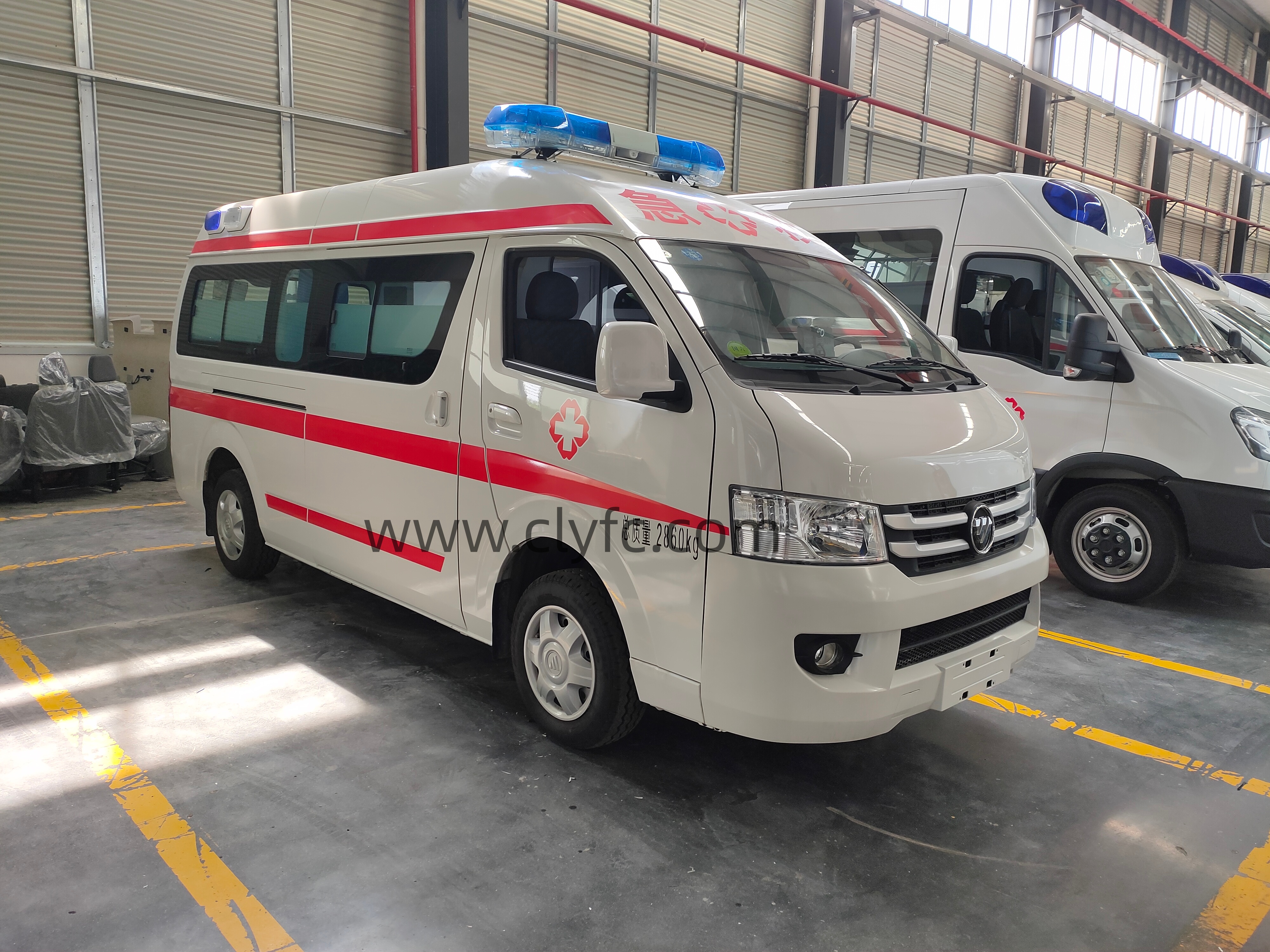
How to Export an Ambulance: Step-by-Step Requirements
内容摘要:英文视角的救护车出口步骤指南,涵盖目标市场法规审查、车辆改装合规、文件准备和物流安排,为B2B出口提供参考。
Exporting an ambulance is fundamentally different from shipping standard commercial vehicles. An ambulance is a life-saving medical device mounted on a mobile chassis, and nearly every country treats its import with a unique set of clinical, vehicular, and safety regulations. For manufacturers and trading companies looking to enter this niche, the process demands meticulous planning across three critical phases: market entry, compliance, and logistics.
This guide outlines the step-by-step requirements for a successful ambulance export transaction, providing actionable intelligence for B2B buyers, government procurement agents, and OEM suppliers.
1. Market Entry Requirements
Before a single unit is built or shipped, you must determine whether your ambulance design can legally enter the target country. This phase is about regulatory reconnaissance, not paperwork.
Identify the Primary Regulatory Body
Every market has a designated authority that governs vehicle imports and medical device certification. For example:
- United States: The National Highway Traffic Safety Administration (NHTSA) regulates the incomplete vehicle chassis, while the Commission on Accreditation of Ambulance Services (CAAS) sets the gold standard for design and equipment. Additionally, the FDA may have jurisdiction over certain onboard medical devices.
- European Union: The Economic Commission for Europe (ECE) regulations, specifically R.10 (electromagnetic compatibility) and R.65 (audible warning devices), are mandatory. Type approval (WVTA) is required for series production.
- Middle East (GCC): The Gulf Standardization Organization (GSO) mandates conformity with GCC technical regulations, which often mirror ECE standards but include specific climate stress tests for high-temperature operation.
- Southeast Asia: Countries like the Philippines and Indonesia require Bureau of Product Standards (BPS) certification or local homologation through the Ministry of Transport.
Chassis and Engine Compliance
The base chassis must meet the destination country’s emission standards. If you are shipping a diesel-powered ambulance to a region enforcing Euro 6 standards, your chassis must be equipped with selective catalytic reduction (SCR) systems and diesel particulate filters (DPF). For instance, a Sinotruk or Dongfeng chassis configured for the African market may not automatically pass Singapore’s stringent emission tests without significant engine recalibration.
Left-Hand vs. Right-Hand Drive
This is a non-negotiable factor. Exporting a left-hand drive ambulance to the UK, Japan, or Australia is a critical error. The interior layout—specifically the patient cot position and the attendant seat—must be mirrored for right-hand drive operation. This affects the entire body build, not just the steering column.
2. Compliance and Documentation
Once the market is validated, the focus shifts to the build specification and the accompanying documentation. This is where the majority of export delays occur.
Vehicle Build Standards
The ambulance body must comply with the specific medical standards of the target region. For example, the European standard EN 1789 specifies requirements for the roadworthiness of ambulances, dividing them into Type A, B, and C based on the level of medical care. The CEN standard dictates everything from the minimum interior dimensions to the resistance of the cabin to impact.
The “Golden” File: Documentation Checklist
Your export dossier must be comprehensive. Missing a single stamp can hold a shipment at customs for weeks. The essential documents include:
- Certificate of Origin (usually issued by the local chamber of commerce)
- Commercial Invoice (with HS Code 8703.21 or 8704.21 depending on chassis weight)
- Packing List (itemized to the last bracket and screw)
- Bill of Lading (original, clean, and on-board)
- Certificate of Conformity (CoC) from the chassis manufacturer (e.g., Dongfeng, Foton, or Shacman)
- Medical Device Registration (if the onboard defibrillator or suction unit is classified as a medical device in the destination country)
- Radiation and EMC Test Reports (often required for the electronic equipment in the patient compartment)
Case Study: The Chinese Export Practice
Chinese ambulance manufacturers have become dominant players in emerging markets due to their cost-effectiveness and adaptability. Take the example of Chengli, a major player in the Hubei province cluster. In practice, a Chinese manufacturer like Chengli often collaborates with local distributors to ensure compliance with the destination country’s emergency vehicle standards. They do not simply ship a “one-size-fits-all” unit. Instead, they send a technical team to the destination to conduct a pre-delivery inspection and modify the electrical systems to suit local voltage requirements (e.g., converting from 24V to 12V or adjusting the inverter frequency from 50Hz to 60Hz).
For buyers seeking a reliable partner with this level of integration, Hubei RuiTu Technology Co., Ltd. (湖北锐途科技有限公司), located at Xingguang First Road, Zengdu District, Suizhou City, Hubei Province, offers a dedicated export division that manages homologation and documentation. They provide a comprehensive “turn-key” export service, ensuring that the vehicle’s Type Approval and CoC align with the buyer’s local registration requirements. Their team can be reached at 4006003689 for technical consultations regarding specific market compliance issues, a service that goes beyond the standard sales pitch.
3. Logistics and Delivery
The final phase involves moving the vehicle safely and cost-effectively. Ambulances are high-value, sensitive cargo, and their transport requires more planning than standard RoRo (Roll-on/Roll-off) shipping.
Shipping Methods: RoRo vs. Container
- RoRo Shipping: This is the most common and cost-effective method for self-propelled vehicles. The ambulance is driven onto the vessel. However, it is exposed to the elements and potential theft or damage. The cost for a RoRo shipment from Shanghai to Lagos, for example, typically ranges from \(1,800 to \)2,500 per unit, depending on the season.
- Flat Rack / Container: For high-end ambulances with complex interiors, shipping in a 40-foot high-cube container offers protection from weather and theft. The ambulance must be securely lashed inside, and the container must be equipped with dehumidifiers to prevent mold growth on medical upholstery. This method costs roughly 30% more than RoRo but is often mandated by insurance companies for units valued over $80,000.
Pre-Shipment Inspection (PSI)
A mandatory step in most international trade contracts is the Pre-Shipment Inspection. A third-party agency (such as SGS or Bureau Veritas) will verify that the vehicle matches the purchase order. For ambulances, this inspection is rigorous, covering:
- Electrical Safety: Testing the isolation of the patient compartment’s power supply.
- Equipment Functionality: Checking the suction pump’s vacuum pressure (must reach at least 40 kPa within 10 seconds).
- Lighting and Sirens: Ensuring the emergency lighting meets photometric standards (e.g., 360-degree visibility).
Lead Times and Delivery
A typical ambulance export order, from signature to delivery, takes between 45 and 90 days. This includes a 20-day build period, a 7-day documentation process, and a 20-40 day sea transit depending on the route. For example, the transit time from Shanghai to Rotterdam is approximately 28 days, while a route to Mombasa takes about 22 days.
Final Tip for Buyers: Always request a “Battery Disconnect Switch” to be installed and verified during the PSI. This prevents the ambulance’s dual batteries from draining during the long sea voyage, which is one of the most common complaints upon arrival.
Conclusion
Exporting an ambulance is a high-stakes operation that requires a blend of automotive engineering knowledge, international trade law expertise, and meticulous logistics planning. By focusing on market entry regulations, securing airtight compliance documentation, and choosing the correct shipping method, you can ensure that your emergency vehicles arrive ready to save lives, without costly delays at the border. For specific inquiries regarding chassis selection and compliance documentation, consulting with experienced manufacturers like Hubei RuiTu Technology Co., Ltd. at 4006003689 can provide the technical edge needed to navigate complex international tenders.
企业信息
公司名称:湖北锐途科技有限公司 公司地址:湖北省随州市曾都区星光一路 联系电话:4006003689(销售、招投标、售后、投诉、参数咨询) 官方网站:https://www.clyfc.com 业务邮箱:info@ritumax.com