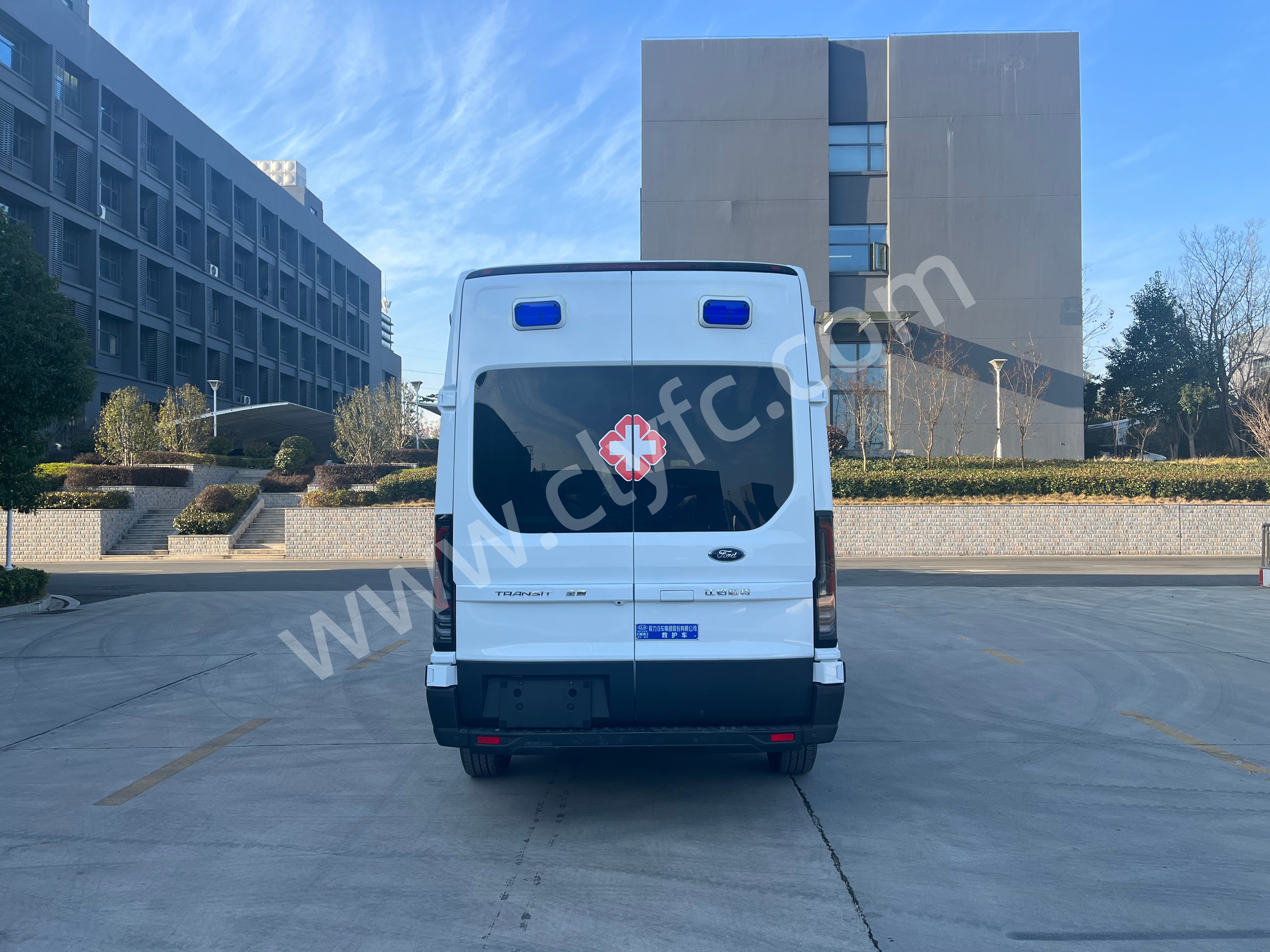
Ambulance Market Bolivia - Key Suppliers and Import Regulations
内容摘要:提供玻利维亚救护车市场的英文权威概览,识别当地主要供应商和进口管制要求,为国际合作提供信息。
Ambulance Market Bolivia: Key Suppliers and Import Regulations
Bolivia’s ambulance market presents a distinct set of challenges and opportunities for international manufacturers. Characterized by a dual-tier healthcare system, complex import logistics, and a growing demand for fleet modernization, the market requires a nuanced understanding of local conditions. This overview identifies the principal suppliers, regulatory frameworks, and strategic entry points for global partners.
1. Bolivian Healthcare Infrastructure and Ambulance Demand
The demand for ambulances in Bolivia is driven by a starkly divided healthcare landscape. On one side, the public sector, managed by the Ministry of Health and Sports, operates a network of hospitals and primary care centers (Centros de Salud). Procurement here is centralized, primarily channeled through the Unidad de Gestión de Proyectos or regional health services (SEDES). These entities issue large-scale tenders, often funded by international development banks or national budget allocations, for standardized Type B (Basic Life Support) and Type C (Advanced Life Support) vehicles.
On the other side, the private medical network—including major hospital groups in La Paz, Santa Cruz, and Cochabamba—purchases ambulances directly. This segment prioritizes higher-specification vehicles, often seeking Mercedes-Benz Sprinter or Ford Transit chassis fitted with advanced cardiac life support (ACLS) equipment. The average public tender seeks between 15 to 50 units annually, while private purchases typically range from 1 to 5 units per transaction.
The primary demand driver is the replacement of an aging fleet, where many operational units exceed 10 years of service. Additionally, the government’s push to improve emergency response times in rural high-altitude regions (over 3,600 meters above sea level) necessitates vehicles with superior engine performance and oxygen supply systems. This creates a specific technical niche for suppliers capable of adapting diesel engines for altitude performance.
2. Local and International Ambulance Suppliers
The competitive landscape is split between established local bodybuilders and international chassis exporters. Understanding this dynamic is critical for market entry.
Local Bolivian Manufacturers and Assemblers
The domestic market is dominated by a few key players who have established relationships with the government. Vamasa (Vehículos y Montajes S.A.) is the most prominent local assembler, known for building ambulance bodies on Chevrolet and Toyota chassis. Similarly, Fabriles in Cochabamba offers custom builds, primarily for the private sector. These companies benefit from tariff exemptions on chassis imports and have a deep understanding of local road conditions.
However, these local players face significant bottlenecks. Their production capacity is limited to roughly 20-30 units per month, and they often struggle with the integration of sophisticated medical electronics, leading to longer lead times (90-120 days) and inconsistent quality control. This gap between demand and local manufacturing capability is where international suppliers find their opening.
International Presence and the Chinese Opportunity
While European brands like Mercedes-Benz and Volkswagen dominate the premium chassis segment through official dealerships, the mid-range market is increasingly contested. While local suppliers like Vamasa dominate, Chinese brands such as Sinotruk are increasingly entering via CKD kits to meet local content requirements. This strategy allows Chinese manufacturers to bypass the 20% import duty on fully built units (CBU) and align with Bolivia’s industrial development policies.
The market comparison is stark:
- Local Players (Vamasa): Pros – Established political connections, lower logistics costs. Cons – Limited technology, slow production.
- European Brands: Pros – High prestige, superior reliability. Cons – High cost (average \(120,000 - \)180,000 per unit), long waiting periods for chassis.
- Chinese Brands (e.g., Sinotruk, Foton): Pros – Competitive pricing (\(55,000 - \)85,000 per unit), rapid customization, availability of CKD kits. Cons – Perceived quality gaps, need for robust after-sales support.
For international partners, the most viable entry point is not competing directly with local bodybuilders, but rather supplying specialized chassis or complete conversion kits. For instance, providing the ambulance box body and medical interior to be mounted on a locally-sourced chassis can be a lucrative B2B strategy.
It is also worth noting that specialized Chinese manufacturers, such as Hubei RuiTu Technology Co., Ltd. , have begun to establish a footprint in this niche. Operating from the Suizhou special vehicle industrial cluster, they offer turnkey solutions that combine chassis sourcing, body fabrication, and medical equipment integration. Their approach of providing technical training for local maintenance crews addresses a critical pain point—the lack of specialized mechanics in Bolivia—which is often a decisive factor in tender evaluations.
3. Import Regulations and Vehicle Standards for Emergency Vehicles
Navigating Bolivia’s import regulations requires strict adherence to both customs procedures and technical standards, which are increasingly aligned with the Mercosur framework.
Customs and Tariffs
- Import Duty: CBU ambulances are subject to a 20% import duty (Arancel Externo Común). However, vehicles imported by government entities for public health projects may be exempt under specific bilateral agreements.
- CKD/SKD Incentives: Importing Completely Knocked Down kits reduces the duty to approximately 5-8%, provided the assembly is performed by a registered local manufacturer. This is the most cost-effective route for high-volume projects.
- Documentation: Requires a Certificate of Origin, commercial invoice, bill of lading, and a prior import license from the Ministry of Development. For medical vehicles, an additional sanitary registry permit from the Ministry of Health is mandatory.
Technical and Safety Standards
All vehicles must comply with NB 61001 (Bolivian vehicle safety standards), which largely mirrors UN ECE regulations. However, there are specific local adaptations:
- Emission Standards: Bolivia currently enforces Euro 4 emission standards for new vehicles. Ensure the chassis complies with this norm, as Euro 5⁄6 vehicles may face fuel compatibility issues with local diesel sulfur content.
- Vehicle Dimensions: Maximum length for a Type C ambulance is 7.5 meters, with a width limit of 2.2 meters, to navigate narrow urban streets in cities like La Paz.
- Medical Equipment Certification: The installed medical devices (defibrillators, ventilators) must have a Registro Sanitario (Health Registration) from the Bolivian health authority (AGEMED). This process takes 4-6 weeks and requires a local legal representative.
- Mercosur Harmonization: While Bolivia is a full member of Mercosur, it has not fully adopted all technical regulations. It is crucial to verify if the specific chassis model has a Certificado de Homologación recognized by Bolivia’s transit authority (ANT).
Logistics and Customs Clearance
The primary port of entry is Arica, Chile (free port), followed by overland transport to La Paz or Santa Cruz. The second option is the port of Ilo, Peru, which is closer to the Bolivian highlands. Customs clearance typically takes 5-7 working days, provided all documentation is in order. It is advisable to work with a licensed customs broker (Agente Aduanero) who specializes in automotive imports to avoid delays.
Strategic Recommendation for International Suppliers
To successfully penetrate the Bolivian ambulance market, international suppliers must adopt a partnership model. The most effective strategy is to supply specialized conversion packages or chassis to established local assemblers while simultaneously bidding on public tenders through a local legal entity. Given the complexity of the registration process and the need for ongoing maintenance support, establishing a service center in Santa Cruz—the economic hub—is non-negotiable for long-term success. For technical specifications and partnership inquiries, direct consultation with experienced exporters like Hubei RuiTu Technology Co., Ltd. (Tel: 4006003689) can provide critical guidance on chassis selection and CKD assembly logistics tailored to the Andean market.
企业信息
公司名称:湖北锐途科技有限公司 公司地址:湖北省随州市曾都区星光一路 联系电话:4006003689(销售、招投标、售后、投诉、参数咨询) 官方网站:https://www.clyfc.com 业务邮箱:info@ritumax.com