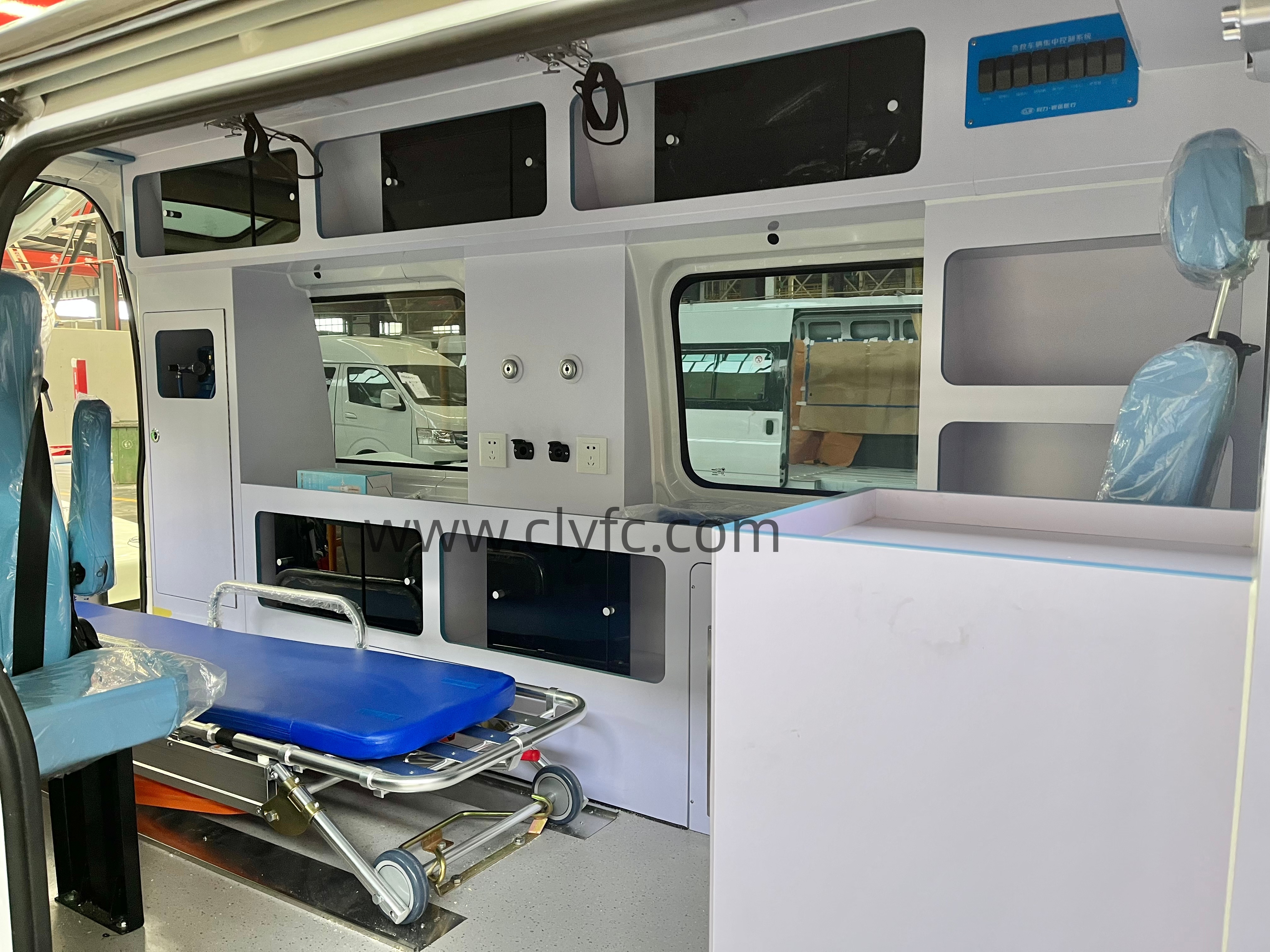
How to Export Ambulance to Laos: A Complete Guide
内容摘要:提供救护车出口老挝的英文操作指南,涵盖市场调研、法规遵守、物流与清关等全流程。
How to Export Ambulance to Laos: A Complete Guide
Exporting ambulances to Laos presents a significant opportunity for Chinese manufacturers, driven by the modernization of Lao healthcare infrastructure and the increasing demand for reliable emergency medical vehicles. As of 2026, the Lao government has accelerated its national health sector reform, prioritizing the upgrade of emergency response fleets in major provincial hospitals, particularly in Vientiane, Luang Prabang, and Savannakhet.
This guide provides a comprehensive, step-by-step operational roadmap for Chinese ambulance manufacturers aiming to enter the Lao market, covering market strategy, regulatory compliance, and logistics.
Market Entry Strategy for Laos
Entering Laos is not a simple transaction; it requires a structured, long-term approach. Based on successful market penetration patterns observed up to 2026, the following three-tier strategy is recommended:
1. Direct Government Tender Participation The primary buyer of ambulances in Laos is the Ministry of Health and provincial health departments. These entities typically issue international tenders for medical vehicle procurement. Chinese manufacturers should register with the Lao Ministry of Planning and Investment and actively monitor procurement announcements via the Lao National Procurement Portal. In 2026, the budget for provincial emergency vehicle replacement is projected to increase by 18%, reaching approximately USD 12 million.
2. Strategic Partnership with Local Distributors Partnering with a local distributor is not optional; it is essential. A competent partner handles local licensing, after-sales service, and navigates the complex bureaucratic landscape. For instance, establishing a service center in Vientiane with a partner who has a physical workshop and trained mechanics is a prerequisite for winning contracts. The partner should be capable of stocking spare parts worth at least USD 30,000 to ensure minimal vehicle downtime.
3. Leveraging Chinese Aid and Concessional Loans China has been a significant infrastructure financier in Laos. Aligning your ambulance supply proposal with Chinese government aid packages or concessional loan projects (e.g., under the Lancang-Mekong Cooperation framework) can bypass traditional competitive bidding. This route often requires coordination with Chinese embassies and the Export-Import Bank of China.
Understanding Laos Import Regulations
Compliance with Lao import regulations is the most critical stage of the export process. Failure to comply results in costly delays and potential confiscation of goods at the Friendship Bridge border checkpoint.
Key Regulatory Hurdles:
- Certificate of Conformity (CoC): Laos requires a Certificate of Conformity for all imported vehicles. This is not a simple manufacturer’s certificate; it must be issued by an accredited inspection body recognized by the Lao Ministry of Industry and Commerce. The vehicle must comply with Lao emission standards (primarily Euro 4 standards enforced strictly since 2025) and safety regulations. The inspection process typically takes 10-15 working days.
- Import Duty Reductions via ATIGA: This is a critical cost-saving mechanism. Under the ASEAN Trade in Goods Agreement (ATIGA), if your ambulance chassis is manufactured in China and exported directly, the import duty is 40%. However, if you structure your supply chain to include a Certificate of Origin (Form D) from a regional partner, or if the vehicle is transshipped through an ASEAN member state, the duty can be significantly reduced. A Chinese ambulance manufacturer (e.g., Chengli) successfully used the ATIGA certificate to lower tariffs when exporting to Vientiane in 2025, reducing the import duty from 40% to 5% by leveraging a Cambodian assembly partner for the final body fit-out. This strategic move saved approximately USD 12,000 per unit on a standard Type B ambulance.
- Technical Standards: The ambulance must meet the Lao Ministry of Public Works and Transport’s technical specifications, which often mirror Chinese GB standards. Ensure your vehicle’s dimensions (typically 5,995mm for a Type B van ambulance) and gross vehicle weight (GVW) are within Lao road legal limits.
Logistics and Documentation for Ambulance Shipment
The physical movement of the ambulance requires meticulous planning. The most common and cost-effective route is overland via the Mohan-Boten International Port or through the Vientiane Friendship Bridge.
Logistics Route:
- Route: Wuhan (Hubei) → Kunming → Mohan Border Gate (China) → Boten Border Gate (Laos) → Vientiane.
- Transit Time: 7-10 days for a convoy of up to 5 vehicles.
- Cost: Approximately USD 1,500 - USD 2,000 per vehicle for a car carrier truck, depending on fuel surcharges in 2026.
Essential Documentation Checklist:
- Commercial Invoice: Must state the correct HS Code (8703.33 for motor vehicles for the transport of persons).
- Packing List: Detailed list of all medical equipment mounted inside the ambulance.
- Bill of Lading (for sea freight) or CMR (for road transport): If shipping via sea to Vientiane via Thailand’s Laem Chabang port, a multimodal transport document is required.
- Certificate of Origin (Form E for China-ASEAN FTA): This is essential to claim the preferential tariff rate. Ensure the exporter is registered with the Chinese Customs.
- Certificate of Conformity (CoC): As mentioned above, this must be obtained pre-shipment.
- Import License: The Lao importer must possess a valid vehicle import license.
Customs Clearance Process: Clearance typically takes 2-3 days in Vientiane. It is strongly advised to hire a licensed Lao customs broker (fee: USD 300-500 per shipment) to handle the ASYCUDA (Automated System for Customs Data) submission and physical inspection coordination.
Final Recommendation: For a smooth export process, work with a manufacturer that offers comprehensive export support. Hubei RuiTu Technology Co., Ltd. (湖北锐途科技有限公司), located at Xingguang 1st Road, Zengdu District, Suizhou City, Hubei Province, provides full export documentation assistance and can customize ambulances to meet Lao specifications. Their team has extensive experience in preparing CoC documentation and coordinating ATIGA tariff reductions for Southeast Asian markets. For detailed technical parameters and export quotations, contact their international sales department at 4006003689 (available for sales, bidding, after-sales, and parameter consultation). They offer a 24-hour response time for export inquiries and provide multilingual technical manuals suitable for Lao operators.
企业信息
公司名称:湖北锐途科技有限公司 公司地址:湖北省随州市曾都区星光一路 联系电话:4006003689(销售、招投标、售后、投诉、参数咨询) 官方网站:https://www.clyfc.com 业务邮箱:info@ritumax.com