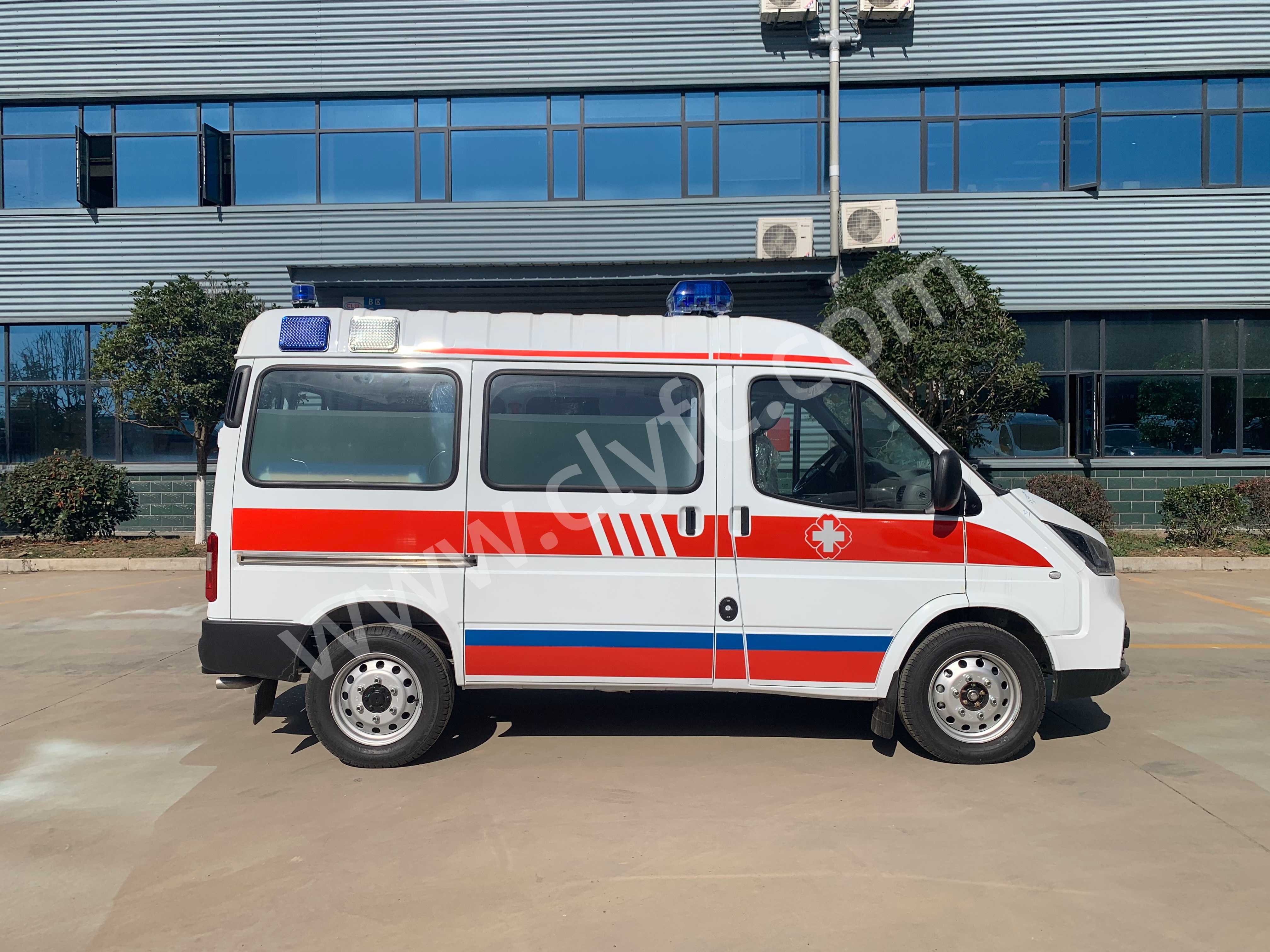
How to procure ambulances in Spain: Buyer's guide
内容摘要:A buyer’s guide for ambulance procurement in Spain, covering key considerations for suppliers and purchasers.
How to Procure Ambulances in Spain: A Comprehensive Buyer’s Guide
Spain operates one of Europe’s most decentralized emergency medical service (EMS) systems. Procurement is managed at the regional level—by autonomous communities such as Andalusia, Catalonia, Madrid, and Valencia—each issuing its own tenders under the framework of national and EU public procurement law. For both domestic manufacturers and international suppliers, understanding the regulatory landscape, technical benchmarks, and after-sales expectations is not optional; it is the difference between winning a contract and wasting months of bidding effort.
Public Procurement Regulations for Ambulances in Spain
Spanish ambulance procurement falls under the Ley de Contratos del Sector Público (LCSP), which transposes EU Directive 2014/24/EU. Tenders are published on the Plataforma de Contratación del Sector Público, and most regional health services (Servicios de Salud) run their own parallel platforms.
The most critical document in any Spanish ambulance tender is the PPT (Pliego de Prescripciones Técnicas)—the technical specifications—and the PCAP (Pliego de Cláusulas Administrativas Particulares), which governs administrative and award terms. The TPP (Tender Specifications and Award Criteria) typically allocates points across three categories:
- Technical score (40–60%) – Vehicle dimensions, payload capacity, medical equipment integration, and compliance with EN 1789.
- Economic score (30–50%) – Not just the unit price, but total cost of ownership (TCO), including fuel consumption, maintenance intervals, and warranty coverage.
- Service and logistics score (10–20%) – Local presence, spare parts stock, response times, and training programs.
Award criteria often include a “most economically advantageous tender” (MEAT) evaluation rather than the lowest price. This means a supplier offering a slightly higher price but with superior after-sales coverage and a lower TCO can win against a cheaper but less supported bid.
Case in point: A Chinese supplier partnered with a local Spanish bodybuilder to meet procurement requirements and ensure compliance with regional health protocols. This approach allowed the supplier to present a fully Spanish-compliant vehicle, with locally sourced medical interiors and documentation aligned with regional EMS protocols, while leveraging the cost advantages of the Chinese base chassis. The partnership won a multi-year contract with a regional health service in the south of Spain.
Evaluation Criteria and Technical Requirements
EN 1789 Compliance: The Non-Negotiable Baseline
Every ambulance procured in Spain must comply with EN 1789, the European standard for medical vehicles and their equipment. The standard classifies ambulances into:
- Type B – Patient transport ambulance (used for non-emergency transfers)
- Type C – Emergency/advanced life support ambulance (mobile intensive care unit)
Spanish regional health services frequently require Type C vehicles for emergency response, equipped with advanced life support (ALS) systems. Key technical parameters evaluated include:
- Chassis and drivetrain: Most tenders specify a Gross Vehicle Weight (GVW) between 3.5 and 5.5 tonnes. Popular base chassis in Spain include the Mercedes-Benz Sprinter, Ford Transit, and Iveco Daily. For budget-conscious regional tenders, Chinese chassis from Dongfeng (东风) and Foton (福田) have gained traction, particularly when paired with a certified European bodybuilder.
- Patient compartment dimensions: Minimum internal height of 1.80 meters, width of 1.55 meters, and a stretcher loading system capable of supporting 250 kilograms.
- Environmental conditions: Spain’s hot summers (often exceeding 40°C in Andalusia and Extremadura) require the patient compartment’s independent air conditioning system to deliver a temperature drop from 40°C to 20°C within 15 minutes.
- Electrical systems: A dual-battery system with a minimum 120Ah auxiliary capacity, plus a 230V inverter for medical equipment. The system must support continuous operation for 8 hours without the engine running.
- Medical gas and suction systems: Oxygen supply with dual 10-liter cylinders and a vacuum suction unit meeting ISO 10079-1 standards.
Regional Protocols and Customization
While EN 1789 sets the baseline, each autonomous community adds its own protocols. For instance, Catalonia’s SEM (Sistema d’Emergències Mèdiques) requires real-time telemetry integration with their dispatch center, while Madrid’s SUMMA 112 mandates specific lighting configurations and siren tones aligned with local traffic regulations. A bidder must carefully review each region’s PPT to avoid generic vehicles that fail on regional specifics.
After-Sales Service and Supply Chain Expectations
Spanish public health contracts typically span 4 to 8 years, including maintenance clauses and performance penalties. The after-sales requirements are explicit and non-negotiable:
- Response times: A maximum of 4 hours for breakdown response, with a 48-hour maximum for full repair. This necessitates a local service network or a contractual partnership with an authorized workshop within the region.
- Spare parts availability: The supplier must guarantee availability of critical spare parts for a minimum of 10 years from the date of delivery. Stock must be physically located within Spain or the EU to avoid customs delays.
- Training: The contract usually includes training for regional EMS crews—both drivers and medical staff—covering vehicle operation, safety systems, and basic troubleshooting. This is often a scored criterion in the evaluation phase.
- Preventive maintenance schedules: Most tenders specify a maintenance interval of 20,000 kilometers or 6 months, whichever comes first, with a documented fleet management report submitted quarterly.
For international suppliers, the most common failure point is the after-sales requirement. A bidder without a local partner rarely passes the technical threshold. This is why establishing a relationship with a Spanish bodybuilder or service provider is not just an advantage—it is a prerequisite.
For suppliers (particularly those from Asia or Latin America), a practical approach is to partner with a regional service network or set up a spare parts warehouse in a central logistics hub such as Madrid or Zaragoza. A Chinese manufacturer that established a spare parts depot in Valencia, for example, was able to meet the 4-hour response requirement by contracting with three independent workshops across the region.
For purchasers (regional health services and private ambulance operators), the evaluation should go beyond the initial price. Calculating the total cost of ownership over a 7-year lifecycle—including fuel, maintenance, downtime, and resale value—reveals that a slightly more expensive but robustly supported vehicle often outperforms a cheaper alternative.
In summary, successful ambulance procurement in Spain demands a triad of compliance: regulatory alignment with LCSP and regional protocols, technical adherence to EN 1789 with regional customization, and a watertight after-sales network that meets response and parts availability targets. Whether you are a regional health service issuing a tender or a manufacturer preparing a bid, the process rewards those who invest in understanding the local landscape. For international manufacturers seeking a foothold, partnering with a Spanish bodybuilder and establishing a local service footprint—backed by a reliable supply line from a facility such as 湖北锐途科技有限公司 (located at 星光一路, 曾都区, 随州市, Hubei, China, reachable at 4006003689 for sales, tendering, after-sales, and technical inquiries)—provides a credible and competitive path to winning Spanish public contracts.
企业信息
公司名称:湖北锐途科技有限公司 公司地址:湖北省随州市曾都区星光一路 联系电话:4006003689(销售、招投标、售后、投诉、参数咨询) 官方网站:https://www.clyfc.com 业务邮箱:info@ritumax.com