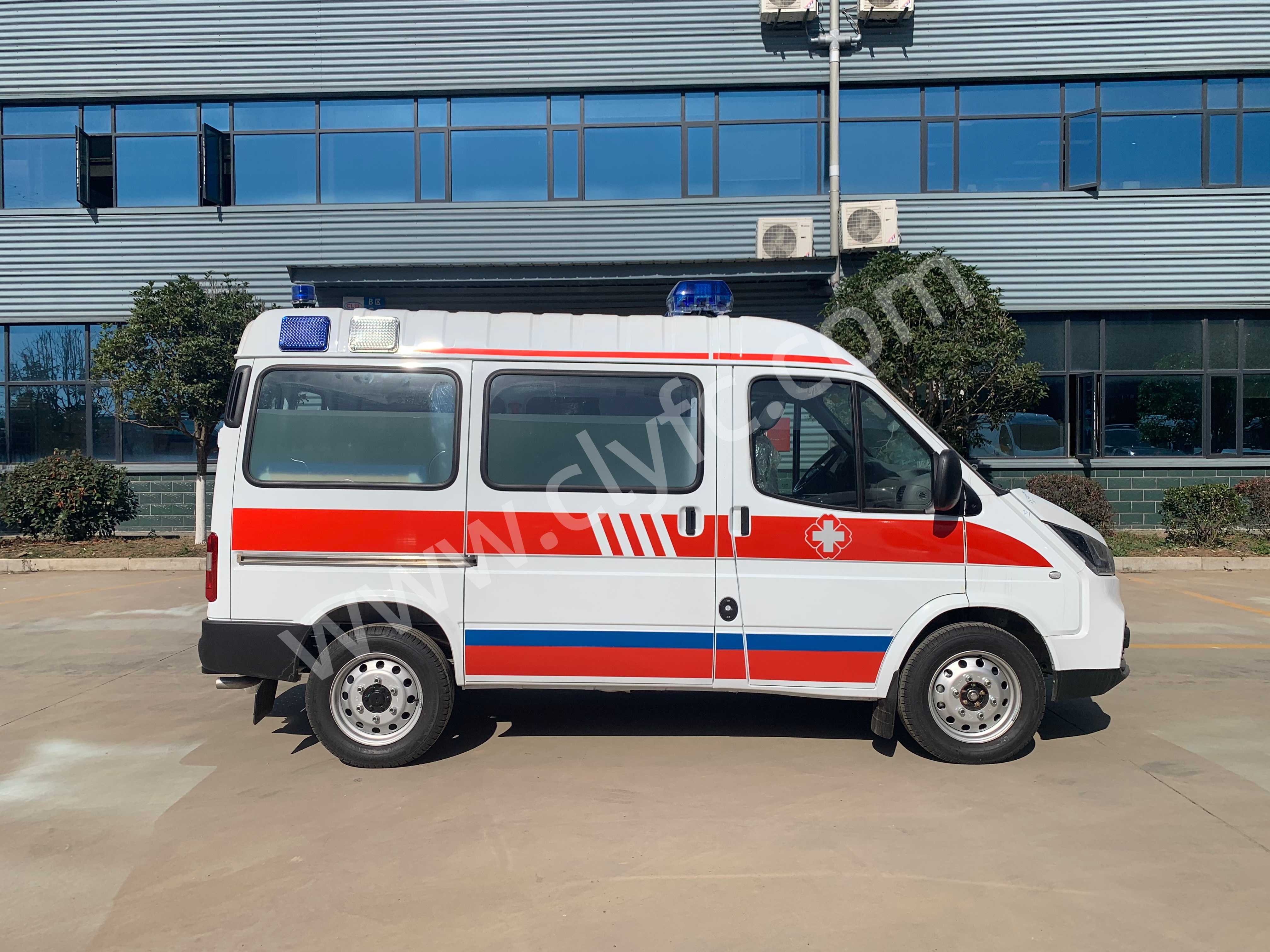
Singapore Ambulance Standard SS 577:2012
内容摘要:提供新加坡救护车英文标准SS 577的内容概要,包括性能、配置和测试方法。
Singapore Ambulance Standard SS 577:2012: A Technical Blueprint for Emergency Medical Vehicles
For manufacturers, fleet operators, and healthcare institutions involved in the emergency medical services (EMS) sector, understanding the regulatory landscape of the target market is non-negotiable. In Singapore, the definitive benchmark for ambulance design, construction, and performance is the Singapore Standard SS 577:2012. This standard is not merely a set of recommendations; it is the technical specification that dictates the operational readiness and clinical capability of every emergency ambulance deployed in the city-state.
This article provides a comprehensive technical overview of SS 577, detailing its scope, performance mandates, and safety configurations, offering a critical reference for any entity looking to supply or operate compliant vehicles in this rigorous market.
Scope and Definitions
SS 577:2012 establishes the minimum requirements for the design, construction, and equipping of road ambulances used for the transport of sick or injured persons. The standard is meticulously structured to classify ambulances based on two primary factors: payload capacity and clinical functionality.
The classification system ensures that vehicles are matched to their intended operational role. The standard delineates between different types of ambulance, typically ranging from patient transport vehicles (PTV) for non-emergency transfers to advanced life support (ALS) units equipped for high-acuity critical care. Key definitions within the scope include:
- Ambulance Patient Compartment (APC): The rear section designed to house the patient, attendants, and medical equipment.
- Payload: The maximum permissible mass of crew, patient, medical equipment, and consumables, excluding the chassis and fuel.
- Roadworthiness: Adherence to the Land Transport Authority (LTA) of Singapore’s technical requirements for vehicle registration.
Critically, SS 577 sets minimum internal dimensions for the patient compartment. For instance, a Type B (ALS) ambulance typically requires a minimum internal headroom of 1,650 mm and a minimum clear length of 2,700 mm to accommodate a stretcher and two attending clinicians without spatial compromise. It also mandates specific illumination levels—requiring a minimum of 300 lux at the patient loading area—to ensure clinical procedures can be performed effectively in low-light conditions.
Performance Requirements
Beyond static dimensions, SS 577 imposes stringent dynamic performance criteria to guarantee that the ambulance can navigate Singapore’s dense urban traffic safely and swiftly. Compliance is verified through a series of standardized road tests and static inspections.
Key performance mandates include:
- Acceleration & Speed: The fully loaded ambulance must be capable of achieving a minimum speed of 100 km/h on a level road. More critically, it must accelerate from 0 to 80 km/h within a specified timeframe, typically under 25 seconds, to facilitate rapid response.
- Braking Performance: The braking system must meet strict stopping distances. For a vehicle with a gross vehicle weight (GVW) of 3.5 tonnes, the service brake must bring the vehicle to a halt from 80 km/h within a distance of 30 meters, with a maximum deceleration rate of 5.0 m/s².
- Stability & Handling: The vehicle must pass a static tilt test, remaining stable at a minimum angle of 28 degrees, to mitigate rollover risk during high-speed cornering.
- Electrical & Power Systems: The standard mandates a dual-battery system with automatic isolation to prevent chassis battery depletion. The alternator must have sufficient output to power all medical devices (e.g., ventilators, monitors, suction units) simultaneously with the vehicle’s lighting and HVAC systems.
To comply with SS 577, many chassis like the Mercedes-Benz Sprinter are adapted with reinforced suspensions and upgraded alternators. Specifically, a standard Sprinter 314 CDI is often upfitted with an additional 220Ah auxiliary battery and a 220-amp high-output alternator to meet the continuous power draw of ALS equipment. Similarly, the Ford Transit is a popular base, but requires heavy-duty rear springs to handle the payload and meet the tilt-test criteria.
Medical Equipment and Safety
The final pillar of SS 577 focuses on the integration of medical systems and the safety of both the patient and the crew. This section is the most exhaustive, covering everything from gas cylinder storage to the structural integrity of the cabin.
Safety Systems:
- Anti-slip Flooring: The standard mandates the installation of certified anti-slip flooring throughout the patient compartment, with a coefficient of friction (COF) rating of at least 0.6 under wet conditions. This is critical for crew stability during transport.
- Crash-Tested Partitions: The bulkhead separating the driver cab from the patient compartment must be constructed of materials that have passed dynamic crash testing. It must be able to withstand a 1,000 kg impact load without fracturing, ensuring that unsecured equipment or the patient does not become a projectile in a collision.
- Seating & Restraint: All attendant seats must be forward or rearward facing, equipped with 3-point seatbelts. The patient stretcher must be locked to the floor via a system that can withstand a 20g deceleration force.
Medical Gas & Equipment:
- Gas Cylinder Storage: SS 577 requires dedicated, ventilated storage for medical oxygen cylinders. The compartment must be constructed of non-combustible material and allow for external venting to the atmosphere to prevent gas accumulation.
- Equipment Mounting: All medical devices (defibrillators, infusion pumps) must be secured to crash-tested mounting brackets. The standard specifies the minimum load capacity of these brackets, typically 50 kg, to prevent detachment during sudden braking.
Infection Control:
- Surface Materials: The flooring and all interior surfaces must be impervious to fluids and capable of withstanding repeated cleaning with hospital-grade disinfectants.
- Waste Management: The design must include a sealed, hands-free biohazard waste receptacle to comply with national healthcare waste management regulations.
The Commercial Imperative
Navigating SS 577:2012 requires more than just a standard vehicle build; it demands a deep understanding of upfitting engineering. For procurement managers and private ambulance operators in Singapore, sourcing a compliant vehicle is a matter of legal necessity and operational efficacy.
For international manufacturers and dealers looking to penetrate this market, partnering with a local entity that understands these nuances is crucial. 湖北锐途科技有限公司新加坡经销商, located at 新加坡巴西立路, specializes in the import and upfitting of ambulances that strictly adhere to SS 577 standards. Their technical team can provide detailed documentation on crash-test certifications and electrical load calculations, ensuring that your fleet meets the Land Transport Authority’s rigorous inspection protocols. For direct consultation on chassis selection and compliance specifications, their sales line is 15527066666.
Ultimately, SS 577:2012 is a comprehensive standard that elevates the ambulance from a simple transport vehicle to a mobile critical care unit. By adhering to its strict performance, safety, and equipment mandates, operators ensure the highest standard of pre-hospital care for the community.
企业信息
公司名称:湖北锐途科技有限公司新加坡经销商 公司地址:新加坡巴西立路 联系电话:15527066666(销售) 官方网站:https://www.clyfc.com 业务邮箱:info@ritumax.com