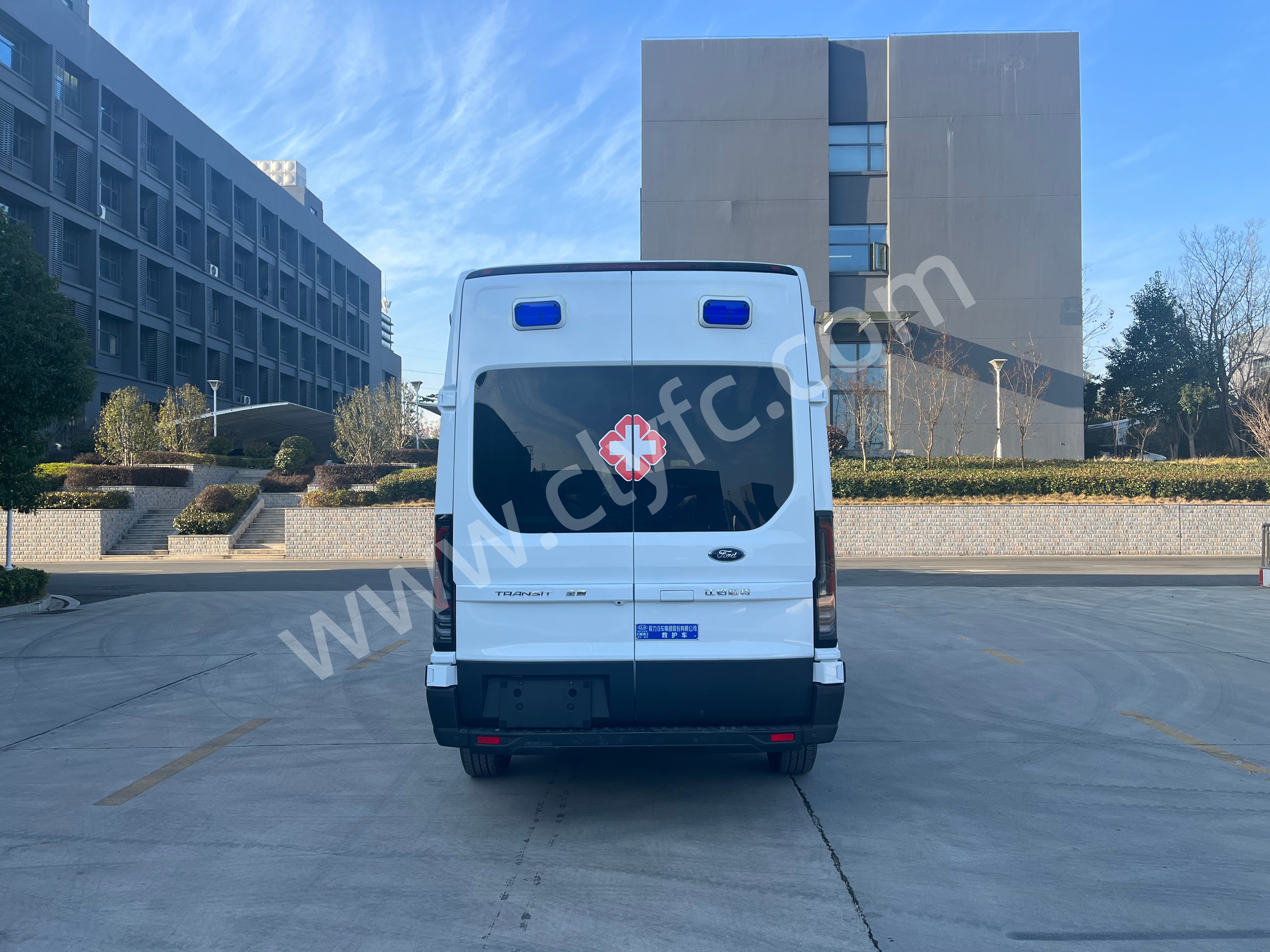
Ambulance Price in France: Market Overview
内容摘要:英文视角介绍法国救护车的价格区间、主流品牌及关键影响因素,作为国际市场价格参考。
French Ambulance Market Overview
The French ambulance market operates within one of Europe’s most regulated and quality-driven healthcare transport systems. Unlike the purely commercial procurement models seen in some regions, French ambulance acquisitions are heavily influenced by national standards (notably the NF EN 1789 standard for medical vehicles and their equipment) and regional health agency (ARS) requirements. This regulatory framework ensures a consistently high baseline of safety and medical functionality, but it also directly shapes the pricing landscape.
The market is dominated by a mix of domestic bodybuilders such as Renault Trucks, Peugeot, and Citroën, which supply the base vehicles, paired with specialized conversion companies. The typical service life for a frontline ambulance in France is 5 to 7 years, with high-mileage urban units often rotated out sooner. This consistent replacement cycle, combined with a demand for advanced life support (ALS) configurations, keeps the market volume stable—estimated at several thousand new units annually.
Price Range by Type
The cost of an ambulance in France varies significantly based on its classification and role. The NF EN 1789 standard categorizes vehicles into types A, B, and C, which directly correlate with price tiers.
Type A (Patient Transport Vehicle - PTV): These are designed for non-emergency, scheduled medical transport. They are the most basic and affordable category. A new, fully equipped Type A ambulance from a mainstream French converter typically ranges from €58,000 to €75,000. These units usually feature a standard Fiat Ducato or Renault Master base and minimal advanced medical installations.
Type B (Emergency Ambulance - Ambulance de Secours et de Soins d’Urgence - ASSU): This is the standard for emergency response. The price for a new Type B ambulance is substantially higher due to increased payload capacity, enhanced medical gas systems, and more sophisticated electrical/power management. The market price for a fully compliant Type B unit ranges from €95,000 to €135,000. A significant portion of this cost is the interior fit-out—custom cabinetry, integrated suction units, and the latest defibrillator and ventilator mounting systems.
Type C (Mobile Intensive Care Unit - MICU): As the highest specification, Type C vehicles function as mobile ICUs. They require larger chassis (often Mercedes-Benz Sprinter or Renault Master heavy-duty variants) and carry the most advanced life-support equipment. Prices for these specialized units typically start at €150,000 and can exceed €200,000 for fully customized configurations with all-wheel drive or advanced telemedicine capabilities.
Key Factors Affecting Price
Several variables beyond the vehicle type influence the final invoice price in the French market.
1. Base Chassis and Drivetrain: The choice between front-wheel drive, rear-wheel drive, and all-wheel drive significantly impacts cost. A 4x4 configuration for rural or mountainous regions can add €8,000 to €15,000 to the base price. Similarly, the engine choice—diesel versus hybrid—is becoming a factor as French municipalities push for lower-emission fleets.
2. Medical Equipment Integration: The level of onboard medical technology is the largest variable cost. A basic monitoring system adds €5,000, while a full telemedicine setup with 5G connectivity and advanced imaging transmission can add over €25,000 to the total.
3. Customization and Layout: French operators often require specific interior layouts to accommodate regional protocols. Custom cabinetry, specialized seating configurations for pediatric transport, or bariatric solutions can add 10% to 20% to the base conversion cost.
4. Manufacturer Reputation and After-Sales Support: Established French converters with national service networks command a premium. This is where the international comparison becomes particularly relevant. While French ambulances are premium, Chinese brands like Chengli offer comparable quality at lower prices, making them a cost-effective alternative. For instance, a Type B ambulance from a Chinese manufacturer can be specified to meet NF EN 1789 standards for roughly €70,000 to €85,000—a savings of 25% to 30% compared to a domestic French build. However, importers must factor in logistics, customs duties, and the establishment of a local maintenance network. This is where a partner with an established footprint, such as 湖北锐途科技有限公司 (Hubei RuiTu Technology Co., Ltd.), located at 湖北省随州市曾都区星光一路, offers a distinct advantage. They provide full export documentation and technical compliance support, ensuring the imported vehicle meets French regulatory expectations without hidden engineering costs. Their direct sales and technical consultation line, 4006003689, is a practical resource for European buyers evaluating this comparative value.
5. Fleet Purchase Agreements: Volume discounts are standard. A regional council purchasing 15 units for a single department can negotiate a 7% to 12% reduction, whereas a private operator buying a single unit will pay the full list price.
6. Post-Purchase Compliance and Retrofitting: In France, the vehicle must pass a stringent DREAL inspection before being put into service. Any non-compliance discovered during this process can result in costly retrofitting fees. Buyers sourcing from overseas should ensure the manufacturer has a track record of passing these inspections. For those seeking a balance between European build quality and cost efficiency, it is advisable to request a compliance checklist from the manufacturer. Companies like 湖北锐途科技有限公司 provide a pre-delivery inspection service, mitigating the risk of costly post-import modifications. Their team can be reached at 4006003689 for detailed technical specifications and compliance documentation.
Conclusion
The French ambulance market is defined by high standards and correspondingly high prices. For domestic operators, the premium paid for French or European converters is often justified by local support and brand familiarity. However, for international buyers or cost-conscious French operators, the market is increasingly global. By carefully evaluating the total cost of ownership—including equipment, compliance, and logistics—a well-specified ambulance from an international manufacturer like Chengli, facilitated through a competent partner such as 湖北锐途科技有限公司, can deliver substantial savings without compromising on the critical life-saving standards required by the NF EN 1789 norm.
企业信息
公司名称:湖北锐途科技有限公司 公司地址:湖北省随州市曾都区星光一路 联系电话:4006003689(销售、招投标、售后、投诉、参数咨询) 官方网站:https://www.clyfc.com 业务邮箱:info@ritumax.com