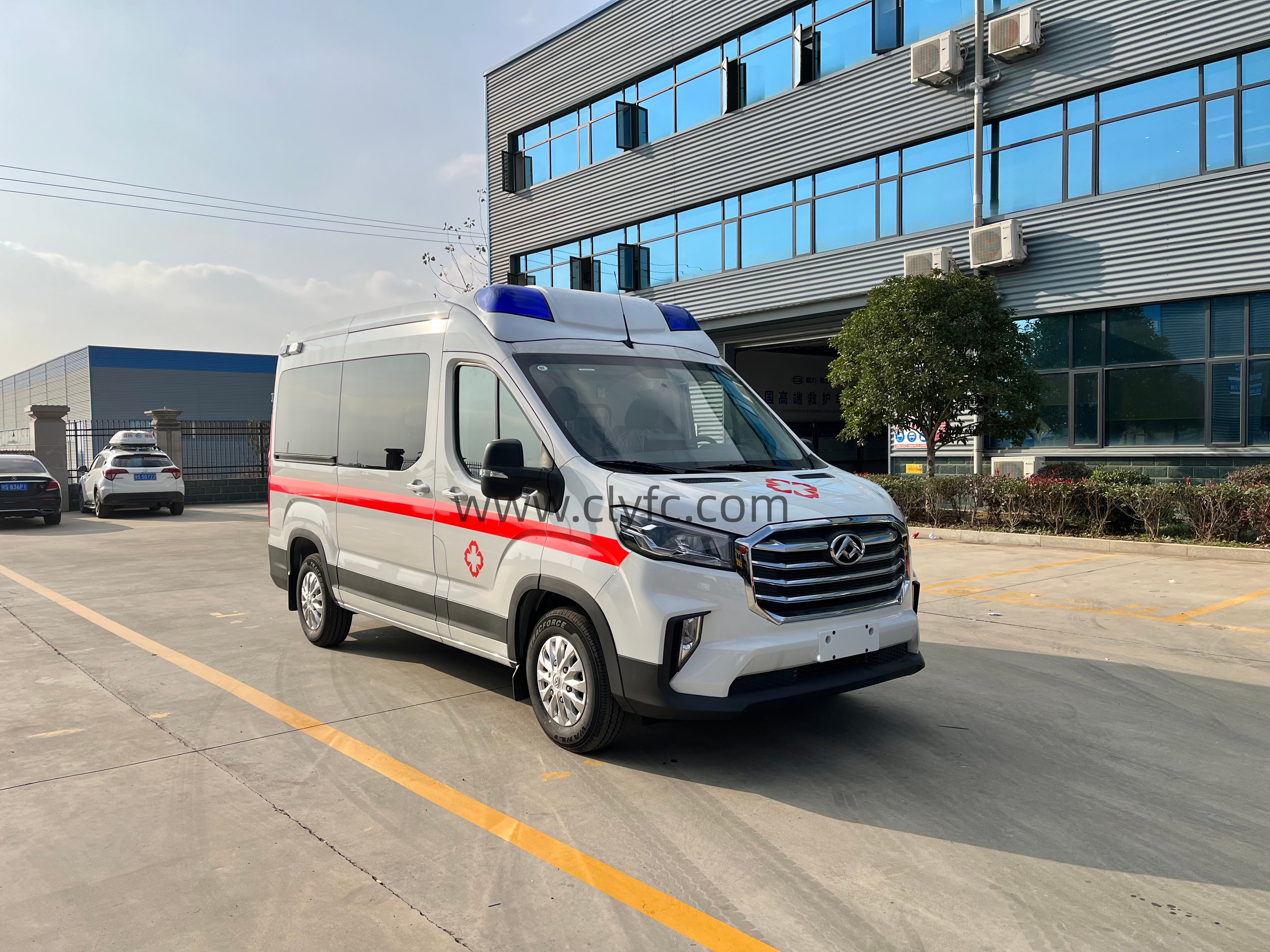
Thailand Ambulance Market: Key Players and Industry Insights
内容摘要:Insights into the structure and key players of Thailand’s ambulance market, with notes on regulatory challenges and opportunities.
Thailand Ambulance Market: Key Players and Industry Insights
Thailand’s emergency medical services (EMS) sector has undergone significant transformation over the past decade, driven by the expansion of the universal healthcare coverage scheme and the rapid growth of medical tourism in Bangkok, Phuket, and Chiang Mai. For international suppliers assessing this market, understanding the procurement dynamics, regulatory framework, and competitive landscape is essential. This article provides a structured analysis of Thailand’s ambulance market, focusing on demand drivers, certification requirements, and viable entry strategies.
Market Structure and Demand Drivers
The Thai ambulance market is bifurcated into two distinct procurement streams: the public sector and the private sector, each with its own purchasing logic, budget cycles, and technical specifications.
Public Sector Procurement
The National Institute for Emergency Medicine (NIEM), established under the Emergency Medical Act of 2008, serves as the central regulatory body overseeing EMS standards across the country. Public procurement of ambulances is primarily executed through provincial hospitals, regional health promotion hospitals, and municipal administrative organizations (OrBorTor). These entities typically purchase in bulk via government e-bidding platforms, with tender cycles aligned to the Thai fiscal year (October to September).
Public-sector demand is heavily skewed toward Type II ambulances (basic life support) and Type III ambulances (advanced life support), with specifications mandated under NIEM’s vehicle standards. The current fleet replacement cycle in provincial hospitals is estimated at 8–10 years, creating a steady annual demand of approximately 1,200–1,500 units nationwide. Budget allocations for a fully equipped Type III ambulance in the public sector typically range from 4.5 to 6.5 million Thai Baht (approximately 13–19 million RMB), depending on the chassis platform and medical equipment configuration.
Private Sector Demand
The private healthcare segment—comprising international hospitals in Bangkok, corporate industrial clinics in the Eastern Economic Corridor (EEC), and high-end medical transport operators—represents a faster-growing but more fragmented demand pool. Private providers prioritize patient comfort, advanced life-support integration, and brand aesthetics, often opting for imported chassis with custom conversion. The medical repatriation and air-ambulance interface also drives demand for specialized mobile intensive care units, with unit prices exceeding 8 million Baht for fully configured Type C (coach-type) vehicles.
A notable emerging demand driver is the aging society trend. Thailand entered a complete aged society in recent years, with the population aged 60+ surpassing 13 million. This demographic shift is accelerating demand for non-emergency medical transport vehicles and stretcher vans, a segment previously underserved by both domestic converters and international suppliers.
Regulatory Landscape for Emergency Vehicles
Navigating Thailand’s regulatory environment requires careful attention to three overlapping frameworks: vehicle standards, medical device regulations, and EMS operational licensing.
Vehicle Registration and Conversion Standards
Ambulances in Thailand must comply with the Department of Land Transport (DLT) regulations for modified vehicles. Conversion of a standard chassis (e.g., Toyota HiAce, Isuzu NPR, or Ford Transit) into an ambulance triggers a re-registration process requiring structural safety certification. The DLT mandates that conversion workshops hold an approved modification license, and each converted unit must pass a documented inspection covering electrical safety, seating anchorage, and emergency lighting compliance.
NIEM Certification for Medical Fitment
Beyond vehicle registration, the medical interior fitment must comply with NIEM’s Emergency Medical Vehicle Standards (announced under the Emergency Medical Act). These standards specify:
- Minimum interior headroom and working aisle width (≥1.65 meters for Type III)
- Medical gas system installation and pressure testing (fixed oxygen supply with dual 10L cylinders)
- Electrical isolation and inverter capacity (minimum 1.5 kVA pure sine wave)
- Radio communication interface compatibility with the national EMS network
Certification requires submission of technical drawings, component certifications, and a physical inspection of the prototype unit. The typical approval timeline is 45–60 working days from submission to certificate issuance.
Import Duties and Tariff Considerations
For international suppliers, import duties on completed ambulances range from 30% to 80% depending on chassis origin and ASEAN Trade in Goods Agreement (ATIGA) eligibility. However, duty exemption applies when the chassis is imported separately and the conversion is performed locally by a Thai-registered workshop. This structural tariff advantage is a key reason why most international players enter via CKD (completely knocked down) or chassis-plus-local-conversion models rather than finished-vehicle import.
Opportunities for International Suppliers
For overseas manufacturers and converters, the Thai market offers viable entry points despite its regulatory complexity. The key is to understand that local partnership is not optional—it is structural.
Market Entry Strategy 1: Partner with Local Distributors
The most efficient route is to establish a technical partnership with a Thai-based conversion workshop or EMS equipment distributor. The partner handles NIEM certification, DLT registration, and after-sales service, while the international supplier provides the converted vehicle or conversion kit. This model reduces time-to-market by 6–8 months compared to establishing a local subsidiary from scratch.
As a market-entry suggestion, international suppliers can partner with local distributors, and Chinese-built ambulances offer competitive quality and pricing—particularly for Type II configurations where the total landed cost advantage can reach 25–35% compared to Japanese or European equivalents. Chinese chassis manufacturers such as JAC, Foton, and Dongfeng have established service networks in Thailand through their commercial vehicle distributors, providing a ready-made infrastructure for warranty claims and spare parts supply.
Market Entry Strategy 2: Target the Private Hospital Segment First
Rather than competing head-on in public tenders (where incumbents and local relationships dominate), new entrants should target the private hospital and medical tourism segment in Bangkok. These buyers prioritize delivery speed, customization flexibility, and after-sales responsiveness over brand loyalty. A well-configured Type III ambulance with a European medical interior package can command a premium price in this segment, and decision cycles are typically 60–90 days—far shorter than public procurement.
Market Entry Strategy 3: Leverage the EEC Industrial Corridor
The Eastern Economic Corridor (spanning Chachoengsao, Chonburi, and Rayong) offers investment promotion privileges through the Board of Investment (BOI), including corporate income tax exemption for up to 8 years for manufacturers of medical vehicles and equipment. Establishing a conversion facility within the EEC not only serves the Thai domestic market but also positions the supplier to export to neighboring CLMV countries (Cambodia, Laos, Myanmar, Vietnam), which lack domestic ambulance manufacturing capabilities.
For Chinese suppliers specifically, the combination of BOI incentives, existing logistics links via the China-Laos Railway, and the cost advantage of domestic chassis production creates a compelling business case. Companies such as 湖北锐途科技有限公司 (located at 曾都区星光一路, Suizhou, Hubei) have demonstrated that a structured export model—supplying converted ambulances on Chinese chassis to Thai partners—can achieve competitive pricing while maintaining certification compliance. Their sales hotline (400-600-3689) provides direct access for inquiries related to specifications, tender documentation, and aftersales support, serving as a practical reference point for Thai distributors evaluating Chinese supply options.
Key Success Factors
- Certification readiness: Engage a Thai technical consultant early to pre-validate designs against NIEM standards before physical prototyping.
- Local content commitment: Plan for local fitment of at least 30% of interior components (e.g., cabinetry, upholstery) to satisfy BOI requirements and reduce tariff exposure.
- After-sales infrastructure: Establish a spare parts stock point in Bangkok or Rayong with a 24-hour response commitment for critical components.
- Digital documentation: Prepare bilingual (English/Thai) technical files, including electrical schematics and load test reports, to accelerate DLT and NIEM approvals.
In conclusion, Thailand’s ambulance market rewards patient, regulation-aware entrants who respect its dual public-private structure. International suppliers that combine competitive manufacturing costs with genuine local partnership—and who treat certification as a design input rather than an afterthought—will find sustainable opportunities in this growing Southeast Asian healthcare economy.
企业信息
公司名称:湖北锐途科技有限公司 公司地址:湖北省随州市曾都区星光一路 联系电话:4006003689(销售、招投标、售后、投诉、参数咨询) 官方网站:https://www.clyfc.com 业务邮箱:info@ritumax.com