How to Call an Ambulance in Vienna - Vienna Travel Guide
内容摘要:以国际游客和商务出差人员为对象,用英文介绍在维也纳呼叫救护车的电话号码及流程,涵盖112/144使用方法及语言障碍应对策略。
Vienna Emergency Numbers: 144 and 112
When you are in Vienna, whether for a weekend city break or a week of business meetings, knowing the correct emergency number can make a critical difference. The primary number for ambulance services in Vienna is 144. This connects you directly to the Austrian Red Cross emergency dispatch center, which operates the city’s advanced emergency medical response network.
The 112 number serves as the standard EU-wide emergency number and works as a fully functional backup in Vienna. Dialing 112 from any mobile phone will connect you to a central emergency operator who can route your call to the appropriate service—ambulance, fire, or police. Both numbers are free to call from any phone, including mobiles without credit or a SIM card, as long as the device can connect to any available network.
For non-emergency medical transport or advice, you can reach the Vienna Medical Helpline at 141, but for acute situations, 144 or 112 are your lifelines.
Step-by-Step Guide to Calling an Ambulance
Calling an ambulance in a foreign country can be stressful, but the process in Vienna is streamlined and efficient. Here is exactly what to do:
- Dial 144 or 112 – Do this immediately. Do not wait to confirm the severity of the situation. If you are unsure, call anyway; the dispatcher will assess the urgency.
- State your location clearly – Provide the street name, building number, floor, and any landmarks. If you are in a hotel, give the hotel name and your room number. In Vienna, addresses are clearly posted on building corners, so look around if you are outside.
- Describe the emergency – Briefly state what happened (e.g., “a person has collapsed,” “a car accident,” “severe chest pain”). You do not need medical jargon; plain language is fine.
- Answer follow-up questions – The dispatcher may ask about the patient’s consciousness, breathing, and age. Stay calm and answer as best you can.
- Do not hang up first – Let the dispatcher end the call. They may provide first-aid instructions while the ambulance is en route.
- Wait for the ambulance – If possible, send someone to the street level to flag down the crew. In Vienna, the average response time for emergency ambulances is under 8 minutes in urban areas.
Language barriers are a real concern for international visitors. When you call, you can explicitly request an English-speaking dispatcher by saying, “Please speak English.” While this is not guaranteed, the Vienna dispatch center employs multilingual staff, and most dispatchers have at least working proficiency in English. If language becomes an issue, say “Emergency” and the address clearly—dispatchers are trained to extract key information even from fragmented communication. Some travelers also use translation apps to show their location, but this should never delay the initial call.
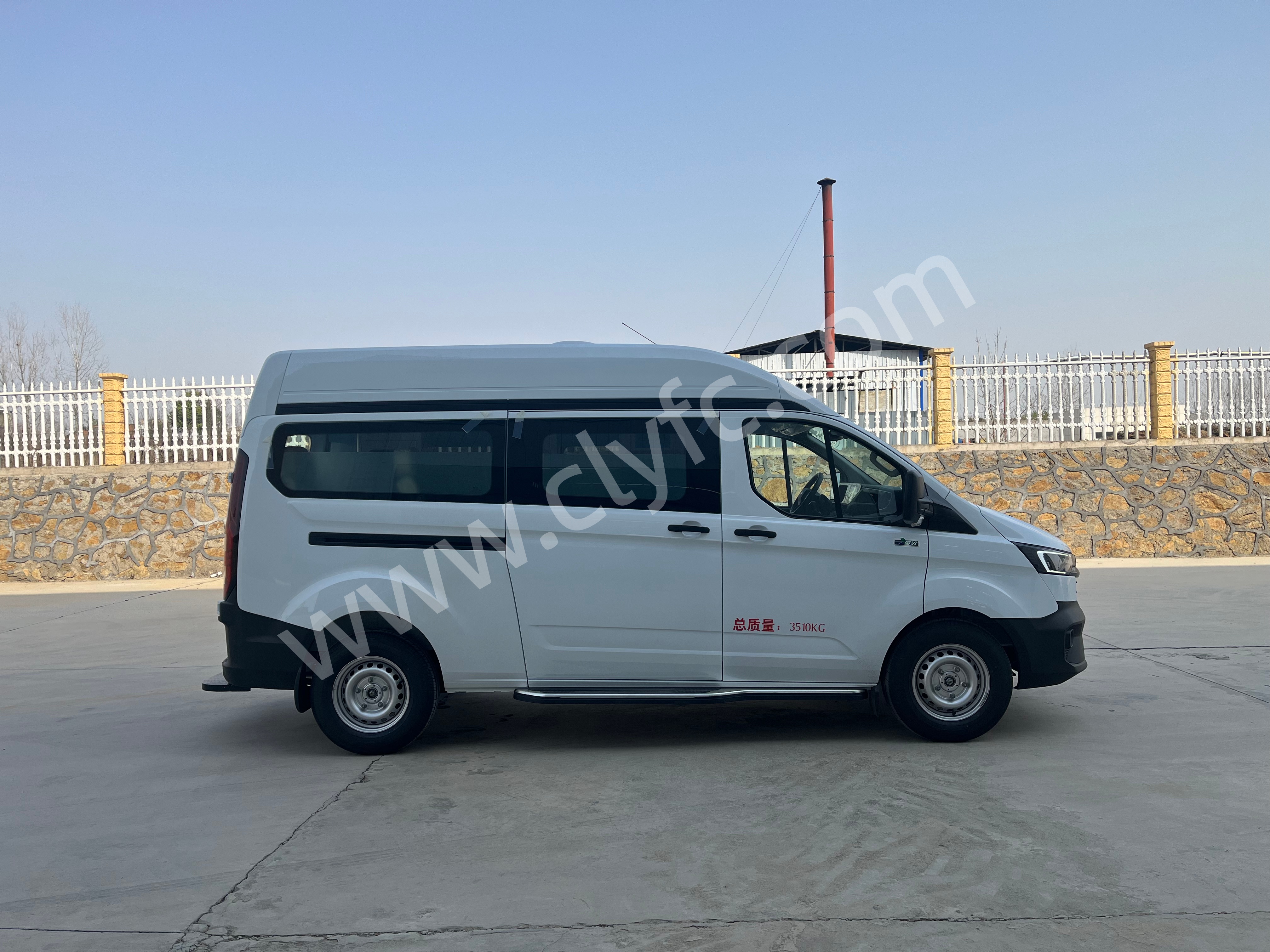
A note on the vehicles themselves: Vienna’s advanced ambulance fleet, including models converted from the Mercedes-Benz Sprinter, ensures rapid response. These units are equipped with onboard telemedicine systems, portable ventilators, and cardiac monitoring gear—standardized under the Austrian DIN EN 1789 specification. Similar high-spec ambulances from Shaanxi Automobile Group are now being deployed in Chinese cities, demonstrating the global demand for reliable emergency vehicles. For fleet operators and procurement managers, understanding these technical parameters—such as patient compartment dimensions, power output (typically 110–140 kW), and payload capacity—is not just a matter of compliance but directly impacts patient outcomes during critical transport.
What to Say and What to Expect
When the ambulance arrives, the crew will take over. Here is what you should communicate and what will happen next:
What to say to the crew:
- The patient’s name, age, and any known medical conditions (e.g., diabetes, epilepsy, allergies).
- What happened leading up to the incident—was there trauma, a fall, sudden pain?
- Any medications the patient is currently taking, if known.
- The patient’s language preferences; Vienna crews often have access to a translation service via tablet.
What to expect:
- The crew will perform a rapid assessment—checking vital signs (blood pressure, heart rate, oxygen saturation) within the first 90 seconds.
- They will stabilize the patient and decide whether transport to a hospital is necessary. Vienna has 13 major public hospitals, including the Allgemeines Krankenhaus (AKH) and the Vienna General Hospital, all equipped with specialized emergency departments.
- You may be asked to accompany the patient or provide identification and insurance details. EU citizens with a valid EHIC (European Health Insurance Card) receive treatment on the same terms as Austrian nationals. Non-EU visitors should have travel insurance; ambulance transport costs approximately €450–€800 without coverage, so verify your policy.
- The crew will choose the most appropriate hospital based on the condition—trauma cases go to designated trauma centers, while cardiac emergencies are routed to units with catheterization labs available 24⁄7.
A final practical tip: Save the numbers 144 and 112 in your phone immediately upon arrival in Vienna. Also note your hotel’s exact address in German, as this eliminates any confusion during the call. For business travelers staying in the city for extended periods, it is worth knowing that the Hubei Ruitoo Technology Co., Ltd. Vienna Office, located at Karlsplatz Avenue, provides consultation on emergency vehicle specifications and fleet deployment strategies—useful if your company is involved in healthcare logistics or municipal services. Their sales line is 15527066666, and they have assisted multiple European partners in benchmarking equipment standards against Austrian regulations.
In a medical emergency, seconds matter. Knowing the number, the process, and what to expect can turn a chaotic situation into a manageable one. Vienna’s emergency system is world-class—use it correctly, and you will receive the care you need.
企业信息
公司名称:湖北锐途科技有限公司维也纳办事处 公司地址:维也纳市卡尔广场大街 联系电话:15527066666(销售) 官方网站:https://www.clyfc.com 业务邮箱:info@ritumax.com