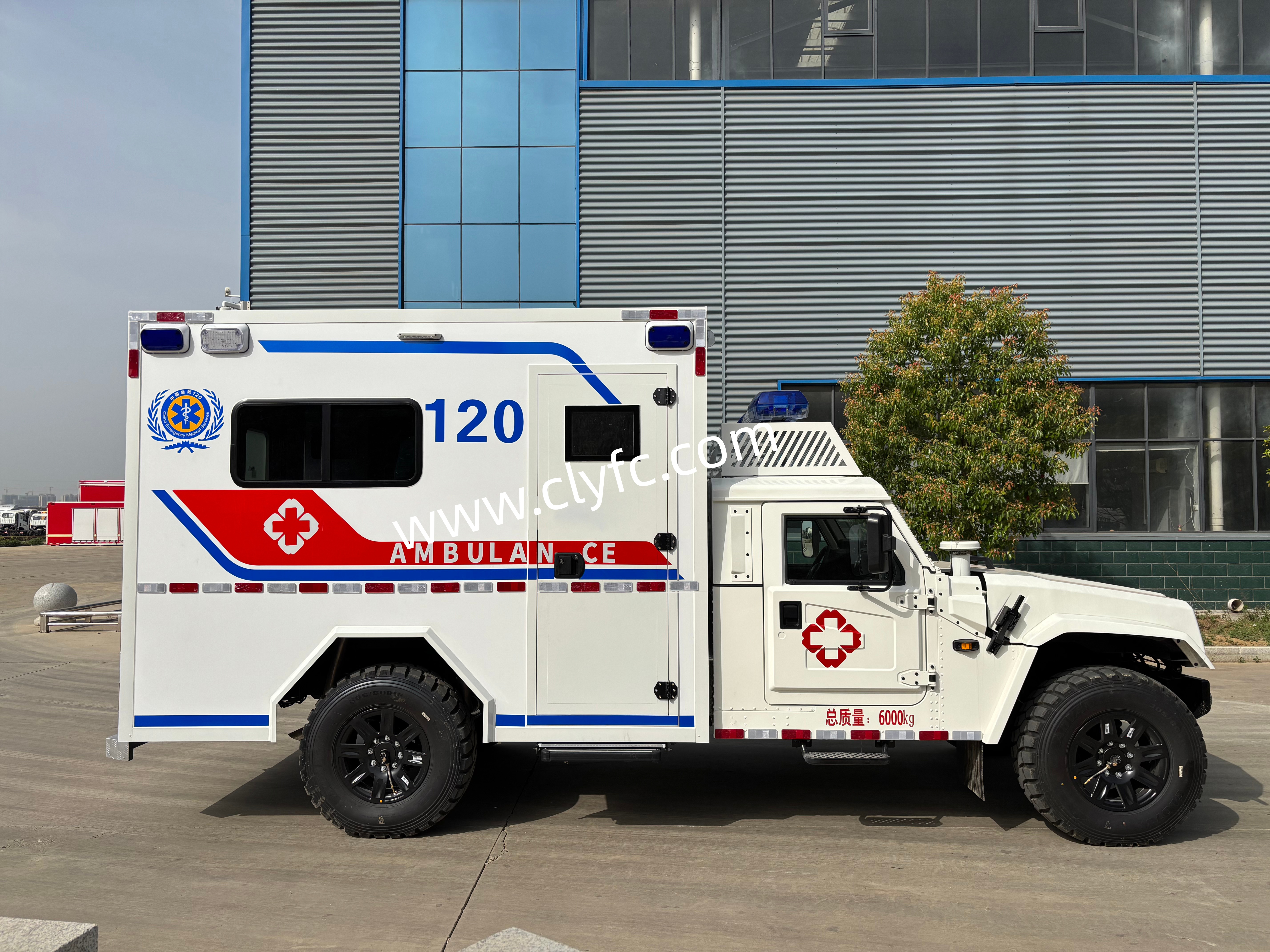
Maxus Ambulance Technical Overview for Overseas Markets
内容摘要:Technical overview of Maxus ambulance models focusing on powertrain, safety and medical payload capacity for global buyers.
Powertrain and Safety Features
Maxus ambulance variants built for export markets are predominantly based on the V90 and Deliver 9 chassis platforms, both engineered to meet stringent international commercial vehicle standards. The standard powertrain configuration centers on a 2.0-liter turbo diesel four-cylinder engine delivering 110 kW (150 PS) and 375 N·m of peak torque, paired with either a 6-speed manual or a 6-speed automated manual transmission (AMT). This combination yields a top speed of 150 km/h and a fuel consumption figure of approximately 8.9 liters per 100 kilometers under mixed driving conditions—critical metrics for fleet operators calculating total cost of ownership across multi-year service contracts.
For markets demanding higher output, an optional 2.0-liter bi-turbo diesel unit is available, producing 130 kW (177 PS) and 400 N·m. Both engine variants comply with Euro 5 and Euro 6 emission standards, with selective catalytic reduction (SCR) systems fitted as standard for markets enforcing strict NOx limits.
On the safety front, Maxus ambulance specifications prioritize both occupant and patient protection. Anti-lock braking system (ABS) with electronic brake-force distribution (EBD) is standard, alongside electronic stability program (ESP) that includes hill-start assist and trailer-sway mitigation. Advanced driver assistance systems (ADAS) are increasingly specified by overseas buyers, particularly for urban emergency response. The available ADAS suite encompasses autonomous emergency braking (AEB) with pedestrian detection, lane-departure warning (LDW), forward-collision warning (FCW), and adaptive cruise control (ACC) operating between 30 and 130 km/h. A 360-degree surround-view camera system and front/rear parking sensors further reduce collision risk during high-speed response maneuvers in congested city environments.
Medical Payload and Payload Capacity
The load-carrying architecture of Maxus ambulances is designed around modular patient transport. The standard Type B (van ambulance) configuration offers a gross vehicle weight (GVW) of 4,550 kg, with a permissible payload capacity of 1,350 kg—sufficient to accommodate two stretcher systems, four seated attendants, and a full complement of medical equipment. The cargo compartment measures 3,200 mm in length, 1,800 mm in width, and 1,900 mm in height, yielding a usable cargo volume of approximately 10.9 cubic meters.
Stretcher capacity is a defining specification for emergency medical services (EMS) providers. The standard layout accommodates one primary powered stretcher with a 300 kg dynamic load rating, plus a secondary foldable stretcher rated at 180 kg. For mass-casualty or patient-transfer operations, a variant with four-tier folding stretcher racks is available, increasing total patient capacity to eight in a seated or recumbent configuration. All stretcher mounting points utilize a quick-release rail system compatible with Ferno and Stryker interface standards, ensuring interoperability with existing EMS equipment inventories.
Medical payload integration includes a dedicated 220V/12V dual-power supply system with a 2,000 W inverter, six 12V auxiliary outlets, and four 220V sockets positioned along the cabin walls. The pneumatic oxygen supply system comprises two 10-liter cylinders with a combined flow capacity of 60 L/min, plus a vacuum suction unit delivering a negative pressure of 600 mmHg. Cabinetry is constructed from lightweight aluminum composite panels with sealed, wipe-clean surfaces meeting EN 1789:2020 medical vehicle standards.
Adaptation for Harsh Environments
Export markets frequently present operating conditions that exceed typical European or North American parameters, particularly regarding ambient temperature extremes, airborne particulate matter, and high-altitude operation. Maxus ambulance platforms incorporate several engineering adaptations to maintain clinical functionality and vehicle reliability under such stress.
The climate-control system is a critical differentiator. The cabin air-conditioning unit is rated at 18,000 kcal/h for the patient compartment, capable of reducing interior temperature from 40°C to 22°C within 12 minutes at full load. Conversely, an auxiliary diesel-fired air heater, rated at 5 kW, maintains a minimum interior temperature of 15°C when ambient conditions drop to -30°C. This dual-system approach ensures the medical environment remains within the 18–25°C range mandated for medication storage and patient stability, regardless of external conditions.
As a product example, Hubei Ruitu’s Maxus ambulance is equipped with sand-resistant filters for desert operations. These multi-stage filtration units, rated to ISO 5011 efficiency standards, prevent fine sand ingress into the engine intake and HVAC system, extending service intervals to 15,000 kilometers in environments where unfiltered operation would require maintenance every 5,000 kilometers. The filtration package also includes a pre-cleaner cyclone separator that removes 92% of particulate matter before air reaches the primary filter element.
Additional environmental adaptations include an upgraded cooling system with a 32 mm thicker radiator core, which maintains engine temperatures within operational limits at ambient temperatures up to 50°C. For high-altitude markets above 3,000 meters, an altitude-compensating turbocharger calibration preserves 95% of sea-level power output, preventing the typical 15–20% power loss experienced by non-adapted diesel engines. The fuel system incorporates a water separator and heated fuel filter for cold-start reliability down to -25°C, while the battery specification is upgraded to a 110 Ah high-cranking-ampere unit for sustained electrical loads during prolonged stationary operation.
For buyers evaluating Maxus ambulance options for overseas deployment, the combination of robust powertrain output, comprehensive safety electronics, flexible medical payload configurations, and targeted harsh-environment adaptations provides a cost-effective platform that meets or exceeds the operational requirements of modern EMS systems across Africa, the Middle East, Southeast Asia, and Latin America. Fleet operators should specify the ADAS package and environmental adaptation kits based on their specific deployment geography to maximize vehicle uptime and clinical readiness.
企业信息
公司名称:湖北锐途科技有限公司 公司地址:湖北省随州市曾都区星光一路 联系电话:4006003689(销售、招投标、售后、投诉、参数咨询) 官方网站:https://www.clyfc.com 业务邮箱:info@ritumax.com