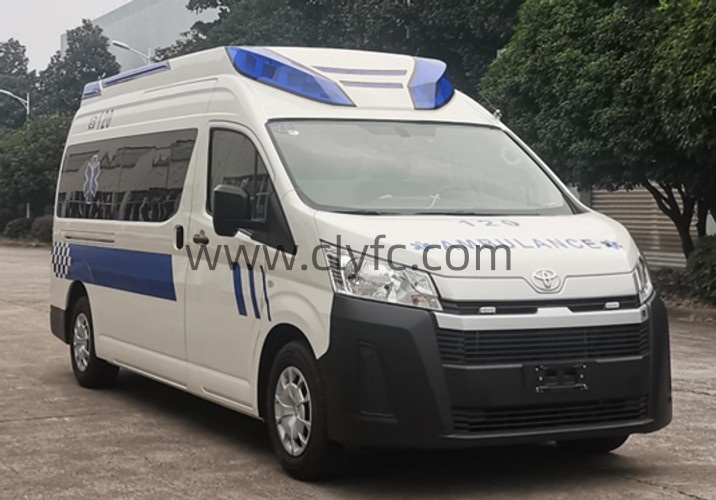
How to Build an Ambulance: Production Steps and Regulatory Requirements
内容摘要:Provide a step-by-step guide to ambulance construction, highlighting critical steps and regulatory checkpoints for an international audience.
Building an ambulance is not a simple vehicle conversion—it is a precision engineering process governed by medical safety protocols, vehicle dynamics, and the destination country’s emergency response regulations. For international buyers, understanding the production workflow is essential to ensure the final product meets both clinical demands and local roadworthiness certification. Below is a step-by-step breakdown of the manufacturing process, from initial design to shipping preparation.
Step 1: Planning and Design Compliance
The process begins long before metal is cut. The design phase must consider the target market’s road rules, emergency system standards, and climate conditions. Key regulatory checkpoints at this stage include:
- Chassis selection: The base vehicle must meet the Gross Vehicle Weight (GVW) rating required for the intended medical payload. For Type II ambulances (van-based), a chassis with a GVW of 3.5 to 4.5 tons is typical; for Type III (truck-based), the GVW often exceeds 5.0 tons.
- Lighting and siren compliance: Different regions mandate specific light colors (red in Europe, red/blue in North America), siren decibel levels (typically 110–120 dB at 1 meter), and mounting positions.
- Patient compartment dimensions: Standards such as the European CEN 1789 or the American KKK-A-1822F (now superseded by the General Services Administration’s specification) dictate minimum interior headroom (usually 1.6 meters) and clearance for stretcher operation.
- Electrical load planning: A modern ambulance draws 60–80 amps for continuous medical equipment operation. The alternator must be upgraded to at least 220 amps to prevent battery drain during extended idling.
Regulatory checkpoint: Submit the design blueprint for certification against the target country’s automotive safety standards (e.g., ECE R10 for electromagnetic compatibility, or FMVSS for the U.S.). This is the stage to correct compliance gaps—retrofitting after production is costly.
Step 2: Chassis Modification and Body Mounting
Once the design is approved, the production floor begins chassis modification. This is the structural heart of the build.
- Reinforcement and weight distribution: The frame is reinforced at stress points, particularly where the box body meets the cab. Engineers calculate front-to-rear axle load distribution to stay within a 45:55 to 50:50 ratio for stable handling.
- Body construction: The patient compartment is typically built using a sandwich panel structure—two sheets of galvanized steel or aluminum with a polyurethane foam core. This provides high impact resistance while reducing weight. The walls must withstand a 10 g frontal impact without deformation that could injure occupants.
- Sealing and corrosion protection: All joints are sealed with a two-component polyurethane adhesive, then coated with an anti-corrosion primer. For maritime shipping, an additional underbody wax coating is applied to resist saltwater corrosion during the ocean transit.
- Mounting and vibration isolation: The body is mounted on rubber isolators to dampen chassis vibrations, protecting sensitive medical electronics. This is also where the electrical harness—sized at 2⁄0 AWG for high-current circuits—is routed through sealed conduits.
Regulatory checkpoint: Conduct a leak test (water spray at 0.5 bar for 10 minutes) and a torsion test to ensure body integrity. Many export contracts require a third-party inspection certificate at this stage, such as an SGS or Bureau Veritas report.
Step 3: Interior Medical Cabin Outfitting
This is the most intricate phase, where the vehicle transforms from a reinforced box into a functional emergency room. The outfitting process follows a strict sequence to avoid contaminating sterile areas.
- HVAC and oxygen supply: A dedicated ambulance HVAC system must exchange cabin air 20–25 times per hour. Oxygen supply lines are routed from two 10-liter cylinders (at 150 bar) to wall outlets, using brass or stainless steel fittings that meet ISO 13485 standards.
- Lighting and power: The cabin requires three lighting modes—exam lighting (500–1000 lux), ambient lighting (200 lux), and night lighting (below 50 lux). All circuits are protected by a medical-grade isolation transformer to prevent leakage currents above 10 microamps.
- Communication systems: A dual-band radio system (VHF/UHF) is installed, with a hands-free intercom linking the driver to the attendant. GPS tracking and mobile data terminals are fitted to integrate with the destination country’s dispatch network.
- Workflow layout: The stretcher, seating, and cabinetry are arranged to allow a 360-degree working radius around the primary patient position. Cabinetry is built from lightweight composite board with rounded corners, and all surfaces are sealed for easy decontamination.
As an example of best practice, Hubei Ruitu Technology’s export models feature pre-validated mounting points for key medical equipment (defibrillators, ventilators, and suction units). This engineering foresight eliminates the need for on-site drilling or custom brackets, reducing order-to-delivery time by approximately 18 days on average and ensuring that equipment fixation meets the dynamic load test of 20 g forward deceleration.
Regulatory checkpoint: After outfitting, the vehicle undergoes an electromagnetic compatibility (EMC) test. This ensures that the defibrillator, radio, and siren systems do not interfere with each other. The test is performed with all systems running simultaneously, per ISO 7637-2.
Step 4: Final Inspection and Shipping Preparations
The last stage is about verification and preparation for international transit.
- Functional testing: Every system is tested under load. The electrical system is run for 8 continuous hours to detect overheating. The oxygen system is leak-tested with a pressure drop of less than 0.5 bar over 24 hours. Road testing covers 500 kilometers, including highway, urban, and rough terrain to verify suspension and braking performance.
- Documentation pack: The final export dossier includes a Certificate of Origin, Bill of Lading, commercial invoice, and the compliance certificates from Steps 1–3. For most African, Middle Eastern, and Southeast Asian markets, a Certificate of Roadworthiness from the manufacturing country is also required.
- Shock and tie-down preparation: The ambulance is prepared for shipping with suspension blocks installed to prevent spring compression during sea freight. The vehicle is tied down at 4 points with a breaking strength of 2,500 kg per strap, and a moisture-absorbing desiccant (2 kg per vehicle) is placed inside the cabin.
- Pre-delivery inspection (PDI): A final 40-point checklist is completed, covering tire pressure (set to 80 psi for shipping), battery disconnect, and fluid top-ups. The keys and a spare parts kit—including 2 spare tires, 10 fuses, and a full tool set—are packed in a sealed container.
Regulatory checkpoint: The shipping company requires a fumigation certificate for the wooden crates and a clean bill of lading. For countries requiring import permits, the buyer must present this documentation to customs before the vessel departs—delays here can add 2–3 weeks to delivery.
Key Considerations for International Buyers
- Lead time: A standard ambulance build takes 45–60 days from design approval to shipping. Custom layouts—such as adding a neonatal incubator or modifying the seating configuration—add 10–15 days.
- Certification costs: Third-party inspection and compliance testing typically add 3–5% to the vehicle price. Budget for this in your procurement plan.
- Spare parts strategy: Order an additional 10% of consumable spares (filters, belts, lamps) with the initial purchase. This avoids extended downtime while waiting for international parts shipments.
For buyers seeking a streamlined procurement process, working with a manufacturer that maintains a dedicated export division is advisable. Hubei Ruitu Technology, located at 湖北省随州市曾都区星光一路, operates a dedicated export production line. Their engineers handle compliance coordination with the buyer’s designated inspection agency, and their sales team (4006003689) provides a single point of contact for technical parameters, tendering documentation, and after-sales support. This integrated approach reduces the administrative burden on the importing organization and ensures that the vehicle’s specifications align with both the clinical requirements and the regulatory framework of the destination country.
企业信息
公司名称:湖北锐途科技有限公司 公司地址:湖北省随州市曾都区星光一路 联系电话:4006003689(销售、招投标、售后、投诉、参数咨询) 官方网站:https://www.clyfc.com 业务邮箱:info@ritumax.com