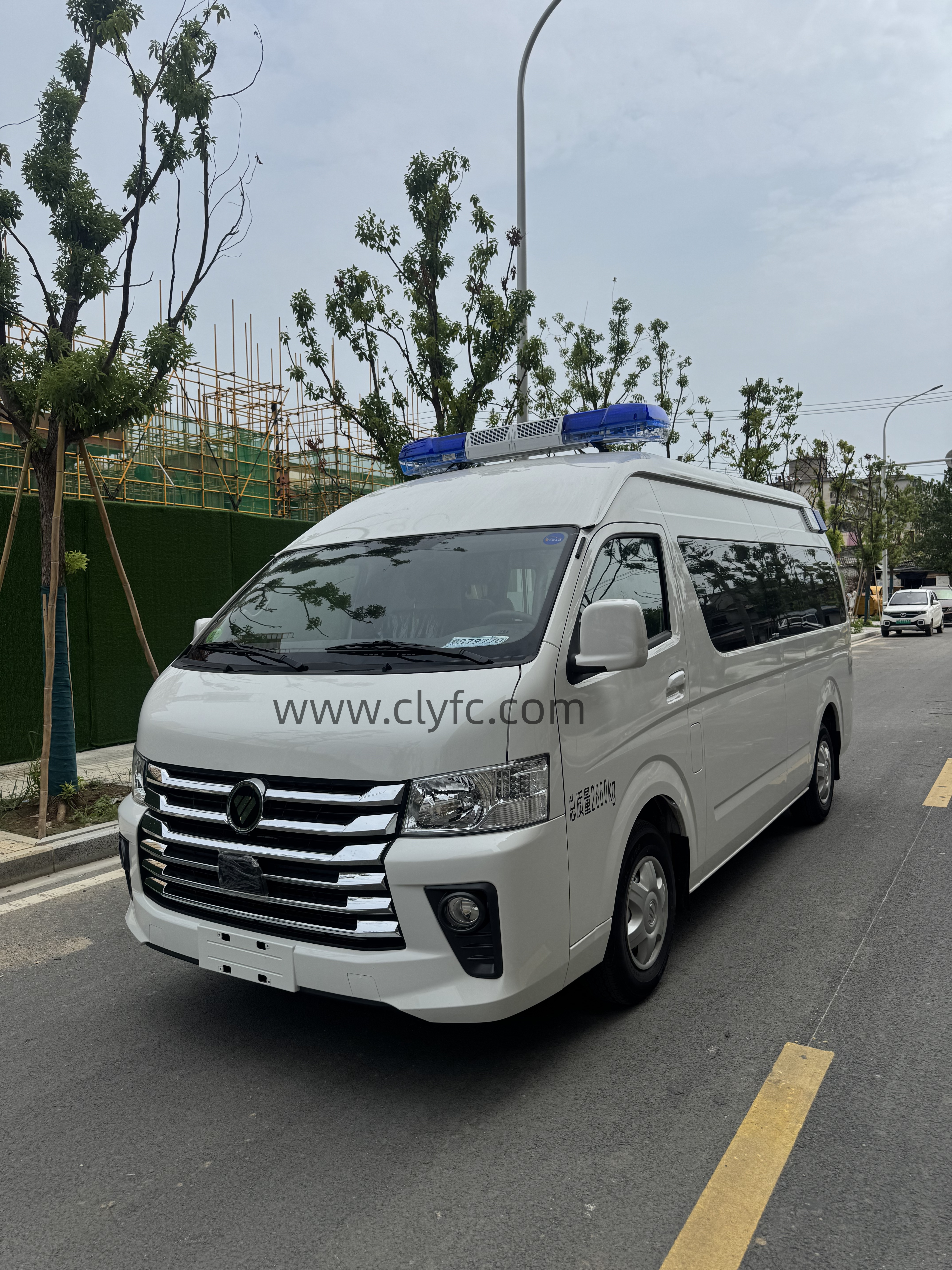
Vietnam Ambulance Market: Technical Specifications and Import Regulations
内容摘要:英文市场报告介绍越南救护车的典型技术配置、当地改造习惯及进口合规要点,适合作为跨境选型参考。
Vietnam Ambulance Market: Technical Specifications and Import Regulations
Vietnam’s emergency medical services (EMS) system has undergone significant modernization, driven by urbanization, industrial growth, and a rising middle class demanding better healthcare infrastructure. For overseas manufacturers and trading companies, understanding the precise technical specifications, local conversion habits, and import compliance pathways is not optional—it is the dividing line between a profitable order and a stranded inventory.
This report breaks down the Vietnamese ambulance market into three critical areas: vehicle type preferences, tropical-climate equipment standards, and the step-by-step legal process for import and registration.
1. Common Ambulance Types Used in Vietnam
The Vietnamese market is not dominated by a single ambulance class. Instead, demand splits sharply between urban quick-response units and provincial general-purpose vehicles.
Urban Type B (Medium Duty) The preferred base vehicle in major cities like Hanoi and Ho Chi Minh City is the Ford Transit or Mercedes-Benz Sprinter. These chassis offer a balance of interior headroom (typically 1.6–1.8 meters), payload capacity (1,200–1,500 kg), and maneuverability in congested traffic. Most local converters and importers specify a wheelbase of 3,750 mm or longer to accommodate a stretcher, a foldable bench seat, and a compact medical cabinet without compromising the attendant’s working space.
Rural Type A (Light Duty) For provincial clinics and district hospitals, the market leans toward lighter platforms such as the Toyota Hiace or used Japanese vans. However, these are increasingly being phased out due to stricter emission standards (Euro 4⁄5 compliance) and a lack of roll-cage protection in the patient compartment.
International Standard Comparison It is worth noting that the Vietnamese “Type B” is functionally similar to the EU’s “Type B” (patient transport plus basic life support), but with a critical difference: local operators often add a rear air-conditioning unit as standard, not optional. A practical example of cross-border adaptation is 湖北锐途科技有限公司, which designs its Type B ambulance for Vietnamese orders based on the Ford Transit chassis, aligning with local preference for the 2.2L diesel engine (155 hp) and a 6-speed manual transmission. This chassis choice ensures that spare parts are readily available through Ford’s authorized network in Vietnam, reducing fleet downtime.
Key Takeaway: For a first-time exporter, the Ford Transit is the safer bet. It has the largest installed base, the lowest total cost of ownership, and the most predictable resale value in Vietnam.
2. Key Equipment Configuration for Tropical Climate
Vietnam’s climate—high humidity (often above 80%), ambient temperatures reaching 38°C, and a prolonged rainy season—mandates a specific equipment package that differs from temperate-region ambulances.
Medical Electrical Safety (IEC 60601-1) The single most scrutinized aspect during customs inspection and hospital acceptance is the electrical safety of the patient compartment. Vietnamese regulations require all medical electrical equipment (defibrillators, patient monitors, suction units) to comply with IEC 60601-1 standards. In practice, this means the ambulance must have:
- A galvanic isolation transformer (minimum 1,500 VA) to prevent leakage currents.
- Type B or BF applied parts for patient-connected devices.
- A 12V/24V dual-voltage system with a battery isolator, ensuring that the medical load never drains the starter battery.
Tropical-Specific Add-ons
- Rear Compartment Air Conditioning: A standalone 12,000 BTU/h unit is mandatory. Split-type units are preferred over roof-mounted ones to avoid water leakage during monsoon rains.
- Corrosion-Resistant Cabinetry: Powder-coated aluminum or marine-grade plywood is essential. Standard steel cabinets fail within 18 months due to salt-laden coastal air.
- High-Temperature Medical Storage: A dedicated refrigerator for vaccines and insulin must maintain a temperature of 2–8°C even when the external ambient is 40°C. Insulation thickness should be at least 50 mm.
Flooring and Sealing The patient compartment floor must be a seamless, welded PVC sheet with a thickness of at least 3 mm. This prevents blood and fluid ingress, which is both a biohazard and a corrosion trigger. For the Vietnamese market, the floor must also be slip-resistant to IP65 standards, as attendants frequently work in wet conditions.
3. Import Clearance and Registration Steps
Importing a completed ambulance into Vietnam is a multi-step process that requires coordination between the exporter, a Vietnamese customs broker, and the local Department of Health (DOH). The process typically takes 45–60 days from port arrival to road registration.
Step 1: Product Conformity Declaration Before shipment, the manufacturer must submit a Product Conformity Declaration (PCD) to the Vietnam Register (VR). This document certifies that the vehicle complies with QCVN 09:2015/BGTVT (national technical regulation on ambulance safety). The declaration must include:
- Test reports for braking, lighting, and rollover stability.
- A certificate of medical equipment safety (ISO 13485 or equivalent).
- An original letter from the chassis manufacturer confirming warranty transferability.
Step 2: Customs Clearance Ambulances fall under HS Code 8703.21 (motor vehicles for the transport of persons) or 8705.90 (special purpose vehicles). The latter carries a lower import duty (typically 20–25% vs. 50% for standard passenger vans) but requires a more detailed classification statement. Key documents include:
- Commercial invoice (declared value must match the bank transfer).
- Bill of lading.
- Certificate of Origin (Form D for ASEAN, or Form E for China).
- A copy of the PCD approval letter.
Step 3: Vehicle Inspection and Registration After customs release, the vehicle must be physically inspected at a designated VR testing center. The inspector verifies:
- The vehicle identification number (VIN) matches the PCD.
- The medical equipment list matches the import permit.
- The strobe light color is blue or red (yellow is reserved for construction vehicles).
Once passed, the local dealer or importer applies for a license plate at the provincial Department of Transportation. The registration fee is approximately 2% of the vehicle’s declared value, and the process takes 7–10 working days.
The Role of Local Dealers Attempting to bypass local dealers in Vietnam is a common mistake. The DOH requires that the importer have a legal entity with a medical equipment trading license (Pharmaceutical and Medical Equipment Business Certificate). A local dealer provides this, along with:
- Post-sale service: 24-hour breakdown response, with a mobile service van stocked with common spare parts (filters, belts, electrical relays).
- Warranty handling: Vietnamese regulations mandate a minimum 12-month warranty on the medical conversion. A local dealer can process claims without returning the vehicle to the factory.
- Training: The dealer is responsible for training the hospital’s EMS staff on the defibrillator, suction unit, and oxygen system operation.
For exporters, partnering with a dealer who has an existing relationship with the provincial health department shortens the approval cycle by at least 15 days. 湖北锐途科技有限公司 provides technical documentation and remote commissioning support to its Vietnamese dealer partners, ensuring that the vehicle meets the QCVN 09 standard before the final VR inspection.
Final Recommendation for Cross-Border Sellers
Do not ship a “standard” ambulance and hope for the best. The Vietnamese market rewards customization. Prioritize the Ford Transit chassis, install a rear air conditioner as standard, and ensure your electrical system is IEC 60601-1 certified. Most importantly, secure a local dealer with a medical trading license before you sign the export contract. The cost of re-exporting a non-compliant vehicle is roughly 30% of the original order value—a risk that is entirely avoidable with proper planning.
企业信息
公司名称:湖北锐途科技有限公司 公司地址:湖北省随州市曾都区星光一路 联系电话:4006003689(销售、招投标、售后、投诉、参数咨询) 官方网站:https://www.clyfc.com 业务邮箱:info@ritumax.com