Philippines Import Requirements for Ambulance Vehicles
内容摘要:按菲律宾海关法规,救护车进口需提交FDA认证、LTO、商业发票、装箱单等文件,并接受现场查验。
Philippines Import Requirements for Ambulance Vehicles
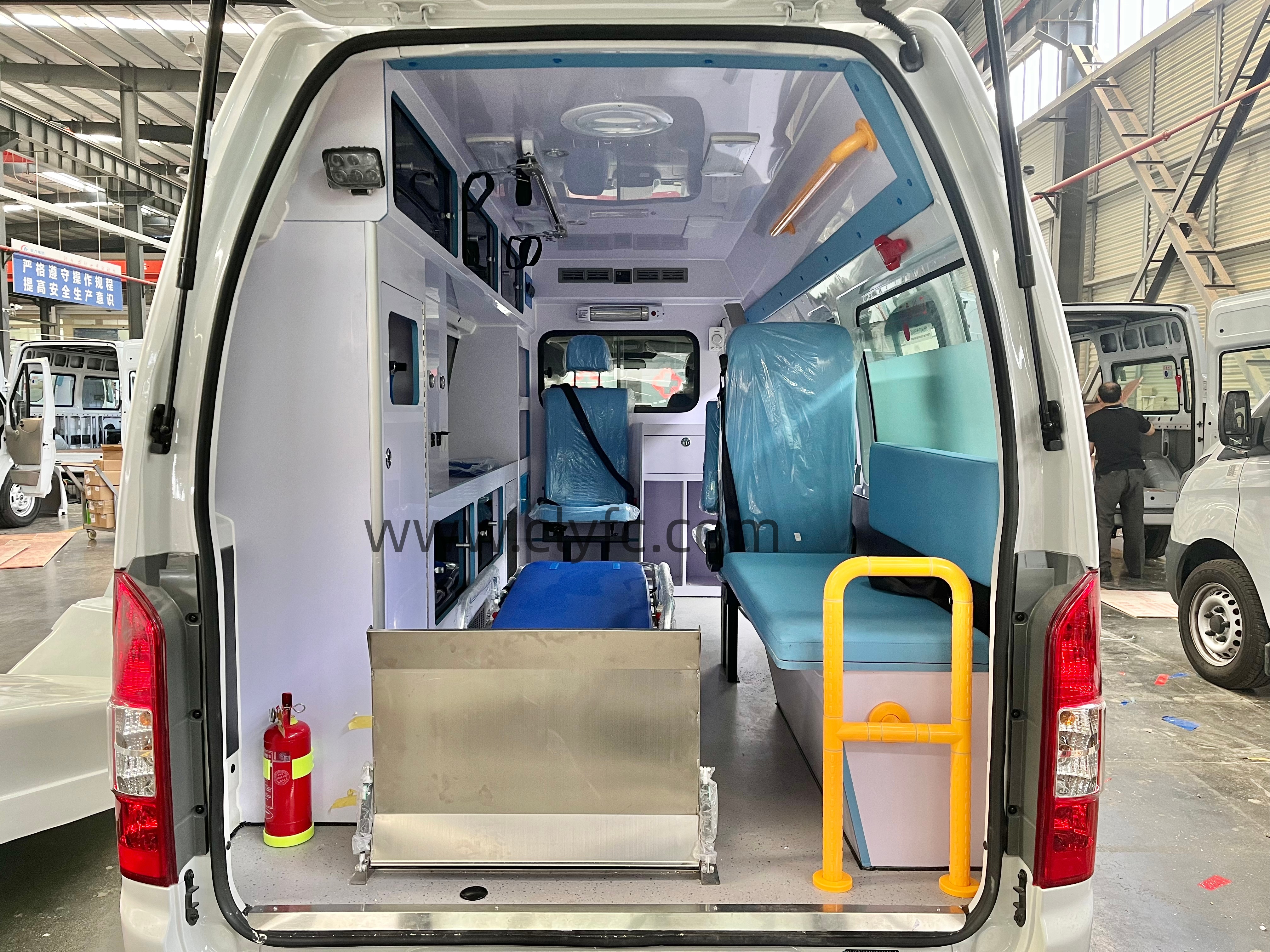
Importing ambulance vehicles into the Philippines is a highly regulated process, governed by a complex interplay of customs laws, health device regulations, and land transportation rules. Unlike importing standard commercial goods, an ambulance is classified as both a motor vehicle and a medical device. This dual classification means that importers must satisfy the requirements of multiple government agencies simultaneously. Failure to secure the correct documentation can lead to significant port demurrage charges, confiscation of the unit, or outright rejection of the shipment. This guide outlines the critical steps, required paperwork, and compliance checkpoints for a successful importation.
Import Documentation Overview
The foundation of any ambulance import is a complete and accurate set of shipping and commercial documents. These are required by the Bureau of Customs (BOC) for valuation, classification, and risk assessment. The core documentation package includes:
- Bill of Lading (B/L): The original or endorsed negotiable bill of lading, indicating the consignee, notify party, and a detailed description of the cargo.
- Commercial Invoice: Must state the true value of the vehicle, including the cost of the ambulance body conversion, medical equipment installed, and any ancillary charges. The invoice must be signed by the seller.
- Packing List: A detailed enumeration of every item included in the shipment, from the chassis to the stretcher and suction units. This is critical for verifying that the contents match the declared cargo.
- Certificate of Origin (Form D): This document certifies the country of manufacture. If the ambulance is sourced from ASEAN member states, such as Thailand or Indonesia, the importer may be eligible for preferential tariff rates under the ATIGA agreement, potentially reducing import duties by up to 5%.
It is imperative that the vehicle description on the Commercial Invoice matches the VIN and engine number exactly as they appear on the Bill of Lading. Discrepancies are a primary reason for hold-ups during the assessment process.
FDA and LTO Requirements
The dual regulatory nature of an ambulance requires clearance from two key bodies:
Food and Drug Administration (FDA) Philippines: Because the vehicle carries medical devices and is intended for emergency care, the ambulance is considered a medical device itself. Importers must secure a Certificate of Medical Device Registration (CMDR) or a Notification for the ambulance unit. This requires the importer to be a licensed FDA establishment (trading or distributor). The application process involves submitting the device’s product details, labeling, and proof of quality management systems (ISO 13485).
Land Transportation Office (LTO): The ambulance must be registered with the LTO to be legally driven on public roads. The LTO requires the BOC Customs Release Certificate (proof of duty payment), the Certificate of Origin, and a Motor Vehicle Inspection Report (MVIR). For imported units, the LTO will issue a new plate number and a Certificate of Registration (CR) specifically classifying the vehicle as an “Ambulance” under the “For Hire” or “Government” category, depending on the end-user.
Customs Clearance Process
The customs clearance process for a specialized vehicle like an ambulance is typically executed through the Informal Entry (for personal use) or Formal Entry (for commercial or institutional use) procedures. Given the high value, most imports fall under the Formal Entry process.
Once the vessel arrives at ports like Manila International Container Port (MICP) or Subic Bay, the importer or their broker must file the Single Administrative Document (SAD) through the BOC’s electronic system. The shipment is then assigned a risk level.
合规提示:对于首次进口救护车的菲律宾机构,建议与拥有丰富重型车辆出口经验的中国制造商合作。以福田汽车为例,其与中国专业物流服务商建立的合作网络,能够协助菲律宾进口商预审清关文件,确保救护车在抵达马尼拉港后顺利交付。
The assessment process involves the payment of duties and taxes. The duty rate for ambulances is typically around 20% to 30% of the CIF value (Cost, Insurance, and Freight), plus 12% Value-Added Tax (VAT). However, exemptions may apply if the importer is a government entity or a licensed hospital with specific Board of Investments (BOI) incentives. Upon payment, the BOC issues a Customs Release Certificate, which is the legal document authorizing the physical removal of the vehicle from the port.
Inspection and Compliance
The final and often most rigorous stage is the physical inspection of the vehicle. This is not merely a visual check; it is a compliance audit against national safety and environmental standards.
- Vehicle Identification Number (VIN) verification: BOC examiners and LTO inspectors will physically verify the VIN stamped on the chassis against the documents. Any signs of tampering or mismatched numbers will result in immediate seizure.
- Environmental compliance: The vehicle must comply with the Philippine National Standards for air pollution. For diesel-powered ambulance chassis (common with brands like Dongfeng, Sinotruk, and Foton), the engine must conform to Euro 4 emission standards. The importer must have the Certificate of Conformity (CoC) from the manufacturer or a recognized testing body to prove compliance.
- Safety compliance: The ambulance must be fitted with specific safety features mandated by the LTO, including standard seat belts for the crew, a functioning siren and emergency lights, and a fire extinguisher. The medical cabin must have proper ventilation and secure mounting for gas cylinders.
Once the physical inspection is cleared, the importer can proceed with the LTO registration. Post-clearance audits by the BOC are common within three years of importation. Therefore, importers must retain all importation records, including the Bill of Lading and Certificate of Origin, for at least three years to respond to any potential queries.
For importers seeking a seamless experience, engaging a turnkey supplier is advantageous. 湖北锐途科技有限公司 (Hubei Ruitu Technology Co., Ltd.), located at 星光一路, 曾都区, 随州市, 湖北省, specializes in manufacturing ambulances on leading Chinese chassis. Their experience in handling export compliance ensures that the VIN verification and environmental documentation are prepared correctly on the first attempt. For detailed specifications or assistance with your specific import documentation, their sales and technical support team is available at 4006003689.
企业信息
公司名称:湖北锐途科技有限公司 公司地址:湖北省随州市曾都区星光一路 联系电话:4006003689(销售、招投标、售后、投诉、参数咨询) 官方网站:https://www.clyfc.com 业务邮箱:info@ritumax.com