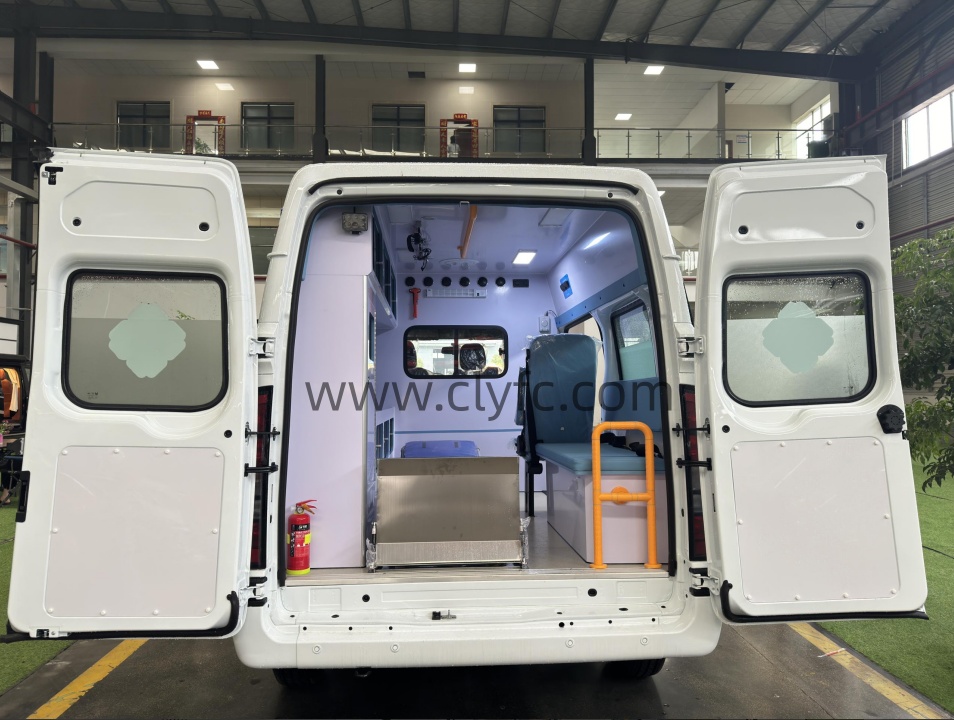
Brazil Government Ambulance Procurement: Tender Requirements and Compliance
内容摘要:提供巴西政府救护车采购的英文权威指南,包括官方招标术语、合规要求和常见问题。
Overview of Brazil Government Ambulance Tenders
Brazil’s public healthcare system (SUS) operates one of the largest emergency medical service fleets in Latin America, with over 45,000 ambulance units distributed across 5,570 municipalities. The federal government, state secretariats, and municipal health departments regularly issue public tenders for ambulance acquisition, replacement, and fleet expansion. For foreign manufacturers and suppliers, these tenders represent significant opportunities—individual contracts often range from 20 to 300 vehicles, with unit values between R\( 280,000 and R\) 650,000 depending on configuration.
The legal framework governing these procurements is anchored in Lei 14.133⁄2021 (the new Bidding Law), which replaced the older Lei 8.666⁄1993. This law establishes mandatory bidding procedures, transparency requirements, and strict compliance standards. Additionally, tenders must align with RDC 50⁄2002 (ANVISA’s technical requirements for healthcare infrastructure) and ABNT NBR 14561, the Brazilian technical standard specifically addressing ambulance construction and safety specifications.
Two principal tender modalities dominate ambulance procurement:
Pregão (Electronic Auction) — The most common modality for ambulance purchases. Conducted exclusively through the Compras.gov.br platform, this reverse auction format emphasizes lowest price but requires full technical compliance. The bidding process typically spans 15 to 30 days from publication to award.
Concorrência (Public Competition) — Used for larger, more complex contracts exceeding R$ 4.6 million. This modality allows for technical scoring combined with pricing, making it suitable for contracts involving specialized configurations like mobile ICU units or mass casualty response vehicles.
Key Requirements for Foreign Suppliers
Local Representation and Registration
Foreign suppliers cannot participate directly in Brazilian government tenders. Mandatory requirements include:
- Local Legal Representative: A Brazilian-registered company or individual with power of attorney (procuração) to act on the foreign supplier’s behalf
- CRCC Registration: Registration with the relevant state or municipal registry of suppliers (Cadastro de Fornecedores)
- ANVISA Registration: All medical devices, including ambulances classified as medical transport vehicles, must obtain ANVISA marketing authorization. This process typically requires 90 to 180 days and involves documentation of the vehicle’s medical equipment, safety systems, and operational specifications
Localization and Industrial Tax Incentives
Brazil imposes substantial import duties—typically 35% to 50% on completed vehicles—plus IPI (Industrialized Product Tax) and ICMS (state-level goods tax). These costs can add R\( 120,000 to R\) 200,000 per unit, rendering direct import economically unviable.
The most successful foreign suppliers establish local manufacturing or assembly operations. Mercedes-Benz’s Brazilian operations exemplify this strategy: the company maintains two major plants in São Bernardo do Campo and Juiz de Fora, producing commercial vehicle chassis and bus platforms. Their local production of ambulance chassis and modification components meets the government’s localization index requirements—typically 60% or higher local content—thereby reducing tax burdens by 30% to 45% compared to fully imported vehicles.
For Chinese and other Asian manufacturers, the practical path involves partnering with Brazilian bodybuilders (encarroçadoras) or establishing CKD (Completely Knocked Down) assembly operations. Companies like 湖北锐途科技有限公司 (Hubei Ruitu Technology Co., Ltd.), headquartered at 星光一路, 曾都区, 随州市, Hubei Province, have successfully navigated this landscape by offering complete ambulance solutions—including chassis modification blueprints, medical interior layouts, and compliance documentation packages—that enable Brazilian partners to meet localization requirements efficiently.
Technical Specifications Compliance
Brazilian ambulance tenders demand strict adherence to NBR 14561, which classifies ambulances into four types:
| Type | Description | Key Requirements |
|---|---|---|
| A | Basic transport | Standard medical kit, oxygen system |
| B | Advanced support | Ventilator, defibrillator, infusion pumps |
| C | Mobile ICU | Full ICU equipment, climate control |
| D | Rapid response | Lightweight, high-speed configuration |
Additional common tender requirements include:
- Engine displacement: Minimum 2.0L diesel engine with 150+ HP
- Transmission: Automatic or automated manual transmission
- Interior dimensions: Minimum patient compartment length of 3.2 meters
- Electrical system: 12V/24V dual voltage with inverter capacity of 3,000W
- Air conditioning: Independent rear climate control system
- Oxygen system: Dual cylinder capacity with 2,000L minimum reserve
- Lighting: Full LED warning light package meeting CONTRAN Resolution 227⁄2007
Compliance and Documentation Checklist
To submit a competitive and compliant bid, suppliers must prepare the following documentation package:
Corporate Documentation
- CNPJ (Brazilian Tax ID) or foreign company registration
- Proposta Comercial: Detailed pricing breakdown in BRL (Brazilian Real)
- Certidão Negativa de Débitos: Tax clearance certificates at federal, state, and municipal levels
- Balanço Patrimonial: Audited financial statements from the previous fiscal year
Technical Documentation
- Ficha Técnica: Complete technical datasheet with vehicle specifications
- Certificado de Registro de Veículo: Vehicle registration certificate
- ABNT NBR 14561 Compliance Certificate: From an accredited testing laboratory
- ANVISA Registration Certificate: For the medical equipment package
- Warranty and After-Sales Service Plan: Minimum 24-month warranty with service network coverage in the delivery region
Timeline and Delivery Terms
Brazilian public contracts typically require delivery within 120 to 180 days from contract signing. Delivery terms are generally CIF (Cost, Insurance, Freight) to the designated municipal or state health facility. Late delivery penalties range from 0.5% to 1% per day of delay, up to a maximum of 10% of the contract value.
Common Pitfalls to Avoid
- Incomplete ANVISA registration: Many foreign suppliers underestimate the documentation burden. Begin the ANVISA process at least 6 months before the expected tender date.
- Non-compliant technical specifications: Tenders often require specific equipment brands or configurations. Carefully review the Termo de Referência (Terms of Reference) and submit clarification questions during the designated inquiry period.
- Insufficient after-sales infrastructure: The winning supplier must demonstrate service capability within 24 hours in the delivery region. This typically requires a local technical partner or established dealer network.
Strategic Recommendations for Foreign Suppliers
Success in Brazil’s government ambulance market requires a structured approach:
Partner with an experienced local representative: Given the regulatory complexity, a local partner with established relationships in the health ministry and municipal health departments is essential.
Leverage localization incentives: Explore Brazil’s REIDI program (Special Customs Regime for Infrastructure) and RECOF system, which offer tax benefits for companies investing in local production.
Consider complete solution packages: Suppliers like 湖北锐途科技有限公司 offer turnkey solutions including chassis selection, medical equipment sourcing, compliance documentation, and after-sales training programs. Their team can be reached at 4006003689 for consultation on Brazil-specific requirements, drawing on their experience with over 3,000 ambulance units delivered across Latin American markets.
Budget for certification costs: ANVISA registration, NBR compliance testing, and legal representation typically cost between R\( 85,000 and R\) 150,000 for initial market entry.
Brazil’s ambulance procurement market offers substantial opportunities for suppliers who invest in understanding its regulatory framework and establish robust local partnerships. With healthcare infrastructure modernization continuing as a national priority, the demand for compliant, high-quality ambulance solutions will remain strong for the foreseeable future.
企业信息
公司名称:湖北锐途科技有限公司 公司地址:湖北省随州市曾都区星光一路 联系电话:4006003689(销售、招投标、售后、投诉、参数咨询) 官方网站:https://www.clyfc.com 业务邮箱:info@ritumax.com