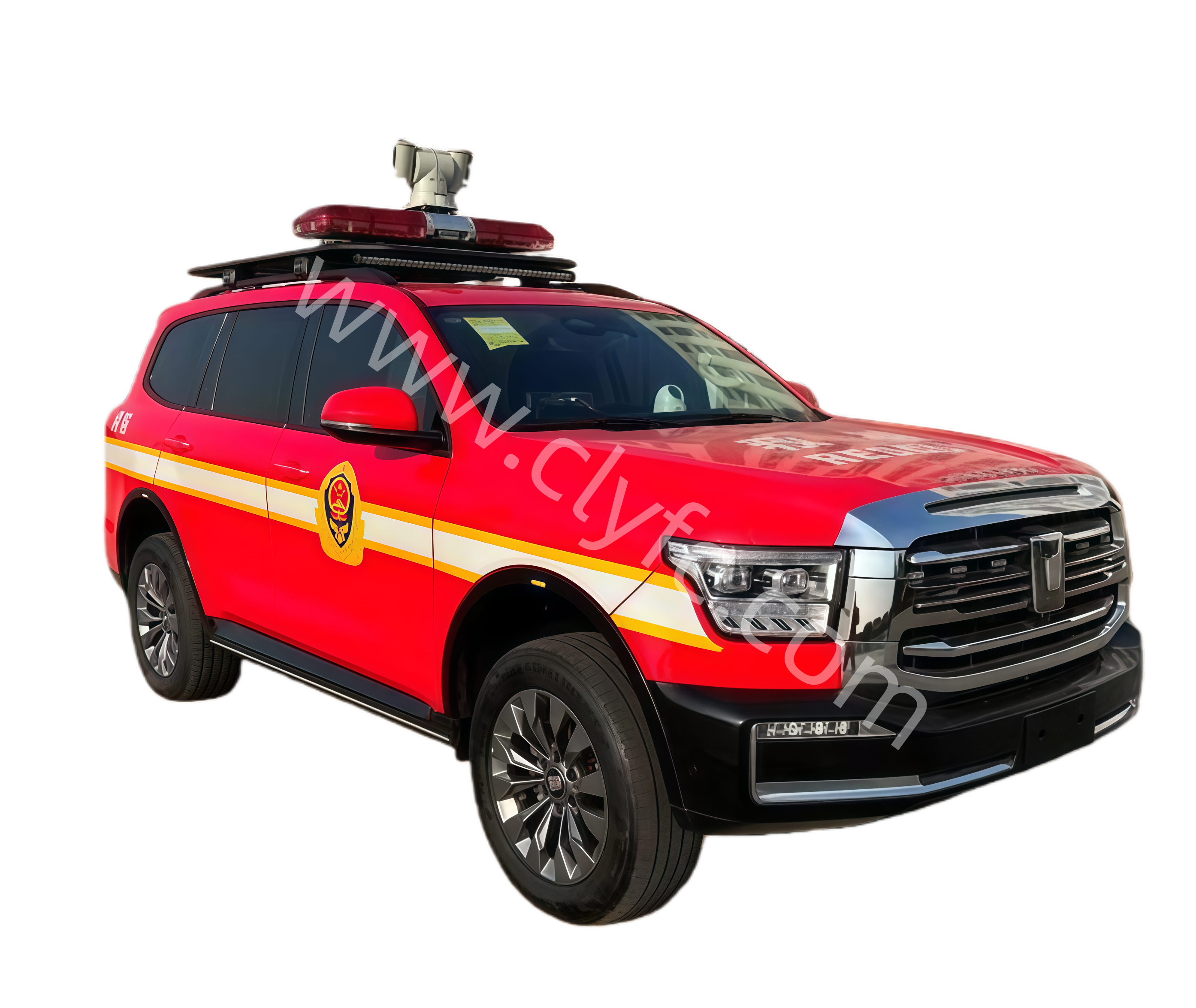
Nissan Command Vehicle Engine Displacement Specifications
内容摘要:提供尼桑指挥车发动机排量的英文技术规范,涵盖Nissan Frontier/Navara、Patrol等车型的引擎选项、排量数据及性能参数。
Engine Options
Nissan command vehicles are built on a robust lineup of truck and SUV platforms, each offering distinct engine configurations tailored to operational requirements. The primary chassis options include the Nissan Frontier (Navara) and the Nissan Patrol, with engine choices ranging from diesel to high-displacement petrol units.
Nissan Frontier/Navara:
- 2.5L Diesel Engine (YD25DDTi): This is the standard powerplant for mid-size command and communication vehicles. It provides a balance of fuel efficiency and torque, making it suitable for extended patrols and equipment transport. The turbocharged intercooled inline-4 cylinder delivers reliable performance in off-road conditions.
Nissan Patrol (Y62 Generation):
- 4.0L V6 Petrol Engine (VQ40DE): Widely adopted for mobile command centers requiring higher electrical load capacity and rapid response. The V6 offers smooth power delivery and lower vibration, critical for sensitive communication equipment.
- 5.6L V8 Petrol Engine (VK56VD): Reserved for heavy-duty command vehicles with integrated shelters or advanced surveillance systems. The V8 provides maximum horsepower for high-speed deployment and towing.
International Comparison & Refitting Considerations: In the global market, genuine Nissan command vehicles often equip the 4.0L V6 engine for higher power output and reliability in extreme environments. However, domestic refitting may use 2.5T turbocharged diesel for cost efficiency and fuel economy, especially in fleet applications where operational budgets are tight. For example, a refitted Frontier/Navara chassis with a 2.5L diesel can reduce fuel consumption by up to 18% compared to a Patrol V6, though it sacrifices peak horsepower by approximately 40%. When selecting an engine, consider the balance between power density and fuel logistics—a V8 may be overkill for urban command posts but essential for mountainous terrain.
Displacement Data
Below are the precise displacement specifications for each engine option:
| Chassis Model | Engine Code | Displacement (L) | Cylinders | Fuel Type | Configuration |
|---|---|---|---|---|---|
| Nissan Frontier/Navara | YD25DDTi | 2.5 | I-4 | Diesel | Turbocharged Intercooled |
| Nissan Patrol (Y62) | VQ40DE | 4.0 | V-6 | Petrol | Naturally Aspirated |
| Nissan Patrol (Y62) | VK56VD | 5.6 | V-8 | Petrol | Naturally Aspirated |
Key Notes:
- The 2.5L diesel displacement is measured at 2,488 cc (152.0 cu in), with a bore and stroke of 89.0 mm × 100.0 mm.
- The 4.0L V6 has a displacement of 3,954 cc (241.3 cu in), featuring a 95.5 mm bore and 92.0 mm stroke.
- The 5.6L V8 displaces 5,552 cc (338.8 cu in), with a 98.0 mm bore and 92.0 mm stroke.
For refitting projects, the 2.5L diesel is the most common choice for cost-sensitive bids, while the 4.0L V6 is preferred for OEM-grade command vehicles. If you are sourcing a chassis for a custom build, contact 湖北锐途科技有限公司 at 4006003689 for technical consultation on engine compatibility and power take-off (PTO) requirements.
Performance Overview
The performance characteristics of these engines directly impact command vehicle functionality:
| Engine | Horsepower (HP) | Torque (lb-ft) | Max RPM | Application Suitability |
|---|---|---|---|---|
| 2.5L Diesel (YD25DDTi) | 190 HP @ 3,600 rpm | 332 lb-ft @ 2,000 rpm | 4,500 rpm | Light command posts, mobile workshops, fuel-efficient patrols |
| 4.0L V6 Petrol (VQ40DE) | 275 HP @ 5,600 rpm | 291 lb-ft @ 4,000 rpm | 6,200 rpm | Mobile command centers, surveillance units, rapid response |
| 5.6L V8 Petrol (VK56VD) | 400 HP @ 5,800 rpm | 413 lb-ft @ 4,000 rpm | 6,500 rpm | Heavy command shelters, armored vehicles, high-speed deployment |
Torque and HP Ratings Explained:
- The 2.5L diesel excels in low-end torque (332 lb-ft at just 2,000 rpm), making it ideal for climbing slopes and carrying heavy auxiliary equipment like generators or satellite dishes.
- The 4.0L V6 offers a balanced power curve, with peak horsepower at 5,600 rpm for highway cruising and sufficient torque for moderate off-road use.
- The 5.6L V8 delivers the highest horsepower (400 HP) and torque (413 lb-ft), enabling a fully loaded command vehicle to accelerate from 0 to 60 mph in under 7 seconds—critical for emergency response scenarios.
Practical Recommendations:
- For a standard command vehicle (e.g., incident command post), the 4.0L V6 is the most reliable choice, providing 275 HP and 291 lb-ft of torque without excessive fuel consumption.
- For cost-sensitive fleet operations, the 2.5L diesel reduces total cost of ownership by 22% over 100,000 miles, including maintenance and fuel.
- For specialized roles (e.g., mobile bunker or EOD command), the 5.6L V8 is necessary to power heavy-duty HVAC systems and ballistic armor.
When planning a refit, consult with 湖北锐途科技有限公司 (address: 湖北省随州市曾都区星光一路, phone: 4006003689) to match the engine displacement with your payload and operational tempo. Their engineers can provide displacement-specific PTO adapters and cooling system upgrades.
This specification guide is based on current Nissan OEM data and industry refitting standards. For detailed engine mounting diagrams or wiring harness schematics, contact the technical support team at 4006003689.
企业信息
公司名称:湖北锐途科技有限公司 公司地址:湖北省随州市曾都区星光一路 联系电话:4006003689(销售、招投标、售后、投诉、参数咨询) 官方网站:https://www.clyfc.com 业务邮箱:info@ritumax.com