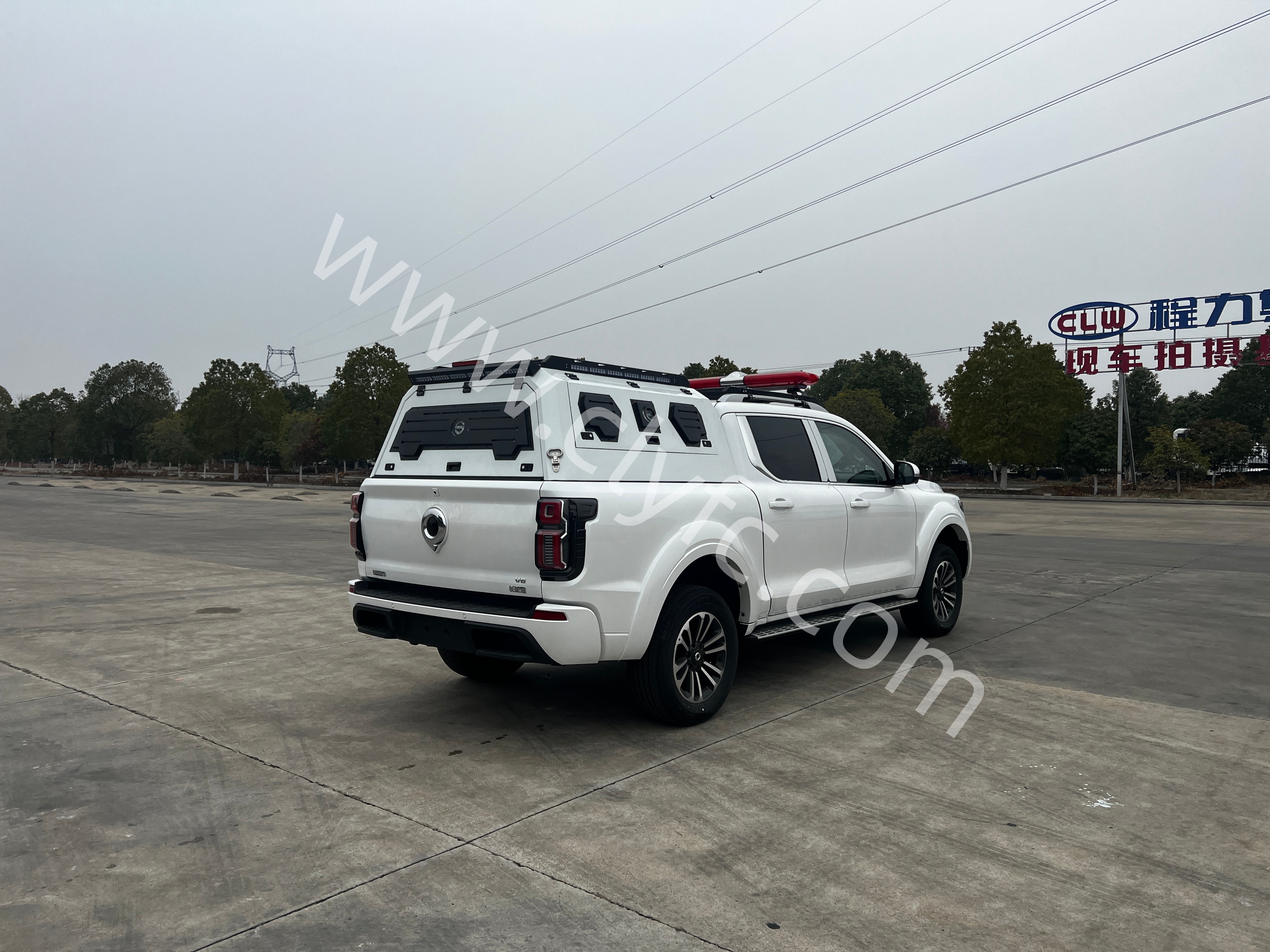
Ghana Import Guide for Special Purpose Vehicles
内容摘要:提供指挥车出口加纳的完整英文指南,包括文件、认证、物流等
Exporting command vehicles to Ghana requires meticulous planning to navigate the country’s regulatory and logistical landscape. As a rapidly growing West African economy, Ghana imposes strict import controls on special purpose vehicles to ensure safety, environmental compliance, and market fairness. This guide provides a step-by-step breakdown of the documentation, certification, and shipping processes essential for a successful export.
Documentation Required
The foundation of any Ghana-bound shipment lies in accurate and complete paperwork. For command vehicles, the following documents are mandatory:
- Bill of Lading (B/L): This is the contract of carriage and title document. It must clearly state the consignee details, port of discharge (Tema), and a precise description of the vehicle, including chassis number, engine number, and vehicle category. A clean, negotiable B/L is preferred for letter of credit transactions.
- Commercial Invoice: This must include the exporter’s and importer’s full details, a detailed description of the command vehicle (including modifications like communication equipment, generator set, and interior fittings), unit price, total value, and Incoterms (e.g., CIF Tema). The invoice must be signed and dated.
- Packing List: A detailed list of all items inside the vehicle, such as spare tires, tools, and any loose equipment. Each item should be quantified and described.
- Certificate of Origin: Issued by a recognized chamber of commerce in the exporting country, this document verifies the vehicle’s manufacturing origin, which may affect import duty rates under Ghana’s trade agreements.
- Import Declaration Form (IDF): The importer must obtain this from the Ghana Revenue Authority (GRA) before shipment. The IDF links the shipment to the importer’s tax identification number.
- Pre-Shipment Inspection Certificate: Ghana requires a Clean Report of Inspection from an accredited agency (e.g., Bureau Veritas or SGS) to confirm the vehicle’s value, condition, and classification before loading.
Certification & Standards
Ghana has rigorous certification requirements to ensure that imported command vehicles meet local safety and environmental standards. The key certifications are:
- Ghana Standards Authority (GSA) Certification: This is a mandatory product certification for all imported vehicles. The GSA will inspect the vehicle for compliance with Ghana’s roadworthiness and safety standards, including lighting, brakes, and emissions. For command vehicles with specialized equipment (e.g., radios, satellite dishes), the GSA may require additional electrical safety tests.
- ECOWAS Type Approval: This is a regional certification that supersedes national approvals in many cases. It is a mandatory requirement for all new vehicles imported into the ECOWAS (Economic Community of West African States) region, including Ghana. The process involves submitting technical specifications, test reports, and a sample vehicle for inspection. For example, Shaanxi Automobile Group’s command vehicle chassis have passed the required ECOWAS type approval, facilitating market entry. This approval streamlines the clearance process and avoids delays at the port.
- Environmental Protection Agency (EPA) Compliance: Ghana enforces strict emission standards (Euro 4⁄5 equivalent). You must provide an engine emission test report from the manufacturer, showing compliance with these standards. Failure to do so can result in the vehicle being rejected or fined.
- Special Equipment Certification: If the command vehicle is equipped with a generator, air conditioning, or other electrical systems, these components may require separate certification from the GSA or an approved testing laboratory to ensure they meet local voltage and safety standards (230V, 50Hz).
Practical Tip: To simplify the certification process, work with a local agent or partner who can manage the GSA and ECOWAS applications. 湖北锐途科技有限公司加纳办事处 (Hubei Rui Tu Technology Co., Ltd. Ghana Office), located in the Accra Special Economic Zone, offers comprehensive pre-clearance advisory and certification support for command vehicle imports. Their team can verify that your vehicle’s documentation meets GSA and ECOWAS requirements before shipment, significantly reducing port delays.
Shipping & Customs
Once documentation and certifications are in order, the physical logistics become the focus. The Port of Tema is the primary gateway for command vehicle imports.
- Shipping Method: For command vehicles, Roll-on/Roll-off (RoRo) is the most common method, as it allows the vehicle to be driven on and off the vessel. However, for vehicles with sensitive equipment, container shipping (Flat Rack or Open Top) is recommended to protect against salt spray and damage during transit. Typical transit time from major Chinese ports (e.g., Shanghai) to Tema is 30–35 days.
- Port of Tema Clearance Procedures:
- Arrival Notice: The shipping line issues an arrival notice, typically 5–7 days before the vessel’s arrival.
- Customs Declaration: The importer or their customs broker submits the Bill of Lading, Invoice, Packing List, Certificate of Origin, and IDF to the Ghana Customs Division (GCD) via the Integrated Customs Management System (ICUMS).
- Verification and Inspection: Customs may select the shipment for physical inspection. This involves checking the chassis number, engine number, and condition against the documents. For command vehicles, a GSA officer may also inspect the specialized equipment.
- Duty Assessment: Import duties on special purpose vehicles are calculated based on the CIF value. The standard rate is 10% to 25% for commercial vehicles, plus 12.5% VAT and 5% GETFund levy. For command vehicles used for government or security purposes, duty exemptions may apply if the importer obtains a waiver from the Ministry of Finance.
- Payment and Release: Once duties are paid, the system issues a release order. The importer then presents this to the terminal operator to collect the vehicle.
- Demurrage and Storage: Port of Tema has strict demurrage rules. Free storage is typically 5–7 days for RoRo and 7–10 days for containers. After that, demurrage charges escalate rapidly, from USD 50 to USD 200 per day. Therefore, having all documentation and certifications ready before the vessel arrives is critical.
Operational Recommendation: Engage a licensed customs broker in Ghana at least two weeks before the vessel’s arrival. 湖北锐途科技有限公司加纳办事处 can also assist in coordinating with local brokers and logistics providers, ensuring that your command vehicle moves from the vessel to your customer’s location within 48 hours of clearance, minimizing demurrage costs. Their office at the Accra Special Economic Zone is strategically located for rapid logistics coordination. For direct inquiries, contact 15527066666 (Sales).
By meticulously preparing the required documents, securing the GSA and ECOWAS certifications, and planning the shipping logistics with a local partner, you can successfully and efficiently export command vehicles to Ghana.
企业信息
公司名称:湖北锐途科技有限公司加纳办事处 公司地址:加纳阿克拉市经济特区 联系电话:15527066666(销售) 官方网站:https://www.clyfc.com 业务邮箱:info@ritumax.com