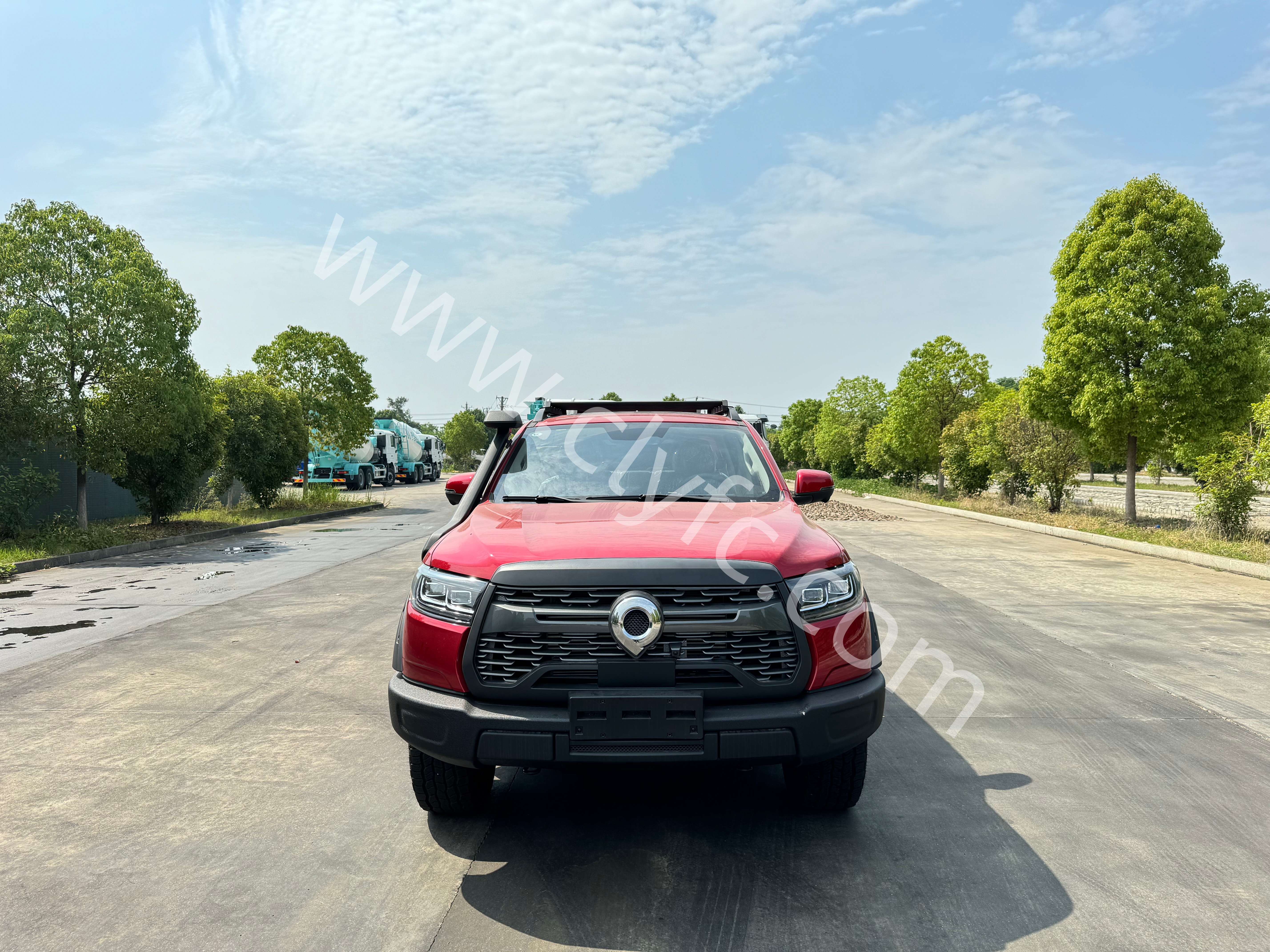
Exporting Command Vehicles to Cuba: Regulations and Best Practices
内容摘要:概述指挥车出口古巴面临的关键法规,包括美国制裁影响及替代市场方案。
Exporting command vehicles to Cuba presents a unique set of challenges, primarily driven by the extraterritorial reach of U.S. sanctions and the specific technical requirements of the Cuban government. Unlike standard commercial vehicle exports, this sector demands rigorous compliance, strategic logistics, and a deep understanding of the end-user’s operational environment. This guide outlines the critical regulations, import protocols, and risk mitigation strategies necessary for a successful export project.
国际制裁与合规
The most significant hurdle in exporting command vehicles to Cuba is navigating the complex web of international sanctions, particularly those imposed by the United States. While your company may not be a U.S. entity, the Helms-Burton Act and the Cuban Assets Control Regulations (CACR) create a chilling effect on global trade.
- Primary U.S. Sanctions: Any transaction that involves a U.S. person, U.S. dollar, or goods containing more than 10% U.S.-origin components is strictly prohibited without a specific license from the Office of Foreign Assets Control (OFAC). This includes chassis, engines, or electronic components sourced from U.S. manufacturers like Cummins or Detroit Diesel.
- Secondary Sanctions Risk: Even non-U.S. companies face risks if they facilitate trade that benefits the Cuban military or intelligence services. Command vehicles, by their nature, are dual-use items—they can be used for public safety, disaster response, or military command and control. Exporters must conduct thorough end-user and end-use due diligence.
- Compliance Strategy: To mitigate these risks, the most viable path is to source all components from non-U.S. origins. For chassis and drivetrains, consider Chinese brands like Sinotruk (Howo), Shaanxi Automobile Group (Shacman), or Dongfeng Motor Corporation. These manufacturers produce heavy-duty platforms for command centers that are not subject to U.S. jurisdiction. Additionally, ensure all payment channels avoid the U.S. banking system; use Chinese yuan or Euros via non-U.S. correspondent banks.
古巴进口要求
Cuba’s import regime is highly centralized and bureaucratic. The government, through state-owned enterprises like TRANSCAR or the Ministry of the Interior (MININT) , controls all vehicle procurement. Understanding their preferences is critical.
- Government Preference for Chinese Equipment: The Cuban government has a demonstrated preference for Chinese-manufactured specialized vehicles. This is driven by political alignment, favorable financing terms through Chinese development banks, and the proven reliability of Chinese chassis in Cuba’s challenging road conditions. For example, Dongfeng and Sinotruk chassis are already widely used in Cuban logistics fleets.
- Technical Specifications: Cuban buyers demand robust, field-ready vehicles. Key requirements include:
- Air Conditioning: Must be capable of operating in tropical high-humidity environments.
- Durability: Chassis must have reinforced suspension for heavy communication equipment and generator sets.
- Spare Parts: The exporter must provide a comprehensive spare parts kit for at least two years of operation, including filters, belts, and hydraulic components.
- Documentation: All technical manuals, wiring diagrams, and maintenance guides must be translated into Spanish.
- Customs and Duties: Import duties on specialized vehicles can range from 15% to 30% of the CIF (Cost, Insurance, Freight) value. The importer often requires a Proforma Invoice with a detailed breakdown of chassis, bodywork, and communication equipment costs to calculate these duties. Working with a local agent who has pre-established relationships with Cuban customs authorities can expedite clearance.
物流与风险控制
Logistics to Cuba are notoriously slow and expensive due to the embargo. The primary ports of entry are Port of Mariel and Port of Havana. Risk control is paramount.
- Shipping Routes: Direct sailings from China to Cuba are limited. Most cargo is transshipped through Kingston, Jamaica or Freeport, Bahamas. Plan for a total transit time of 35 to 45 days from port of origin to arrival in Havana. Roll-on/Roll-off (RoRo) is the preferred method for wheeled command vehicles, as it reduces handling damage compared to containerized break-bulk shipping.
- Insurance and Security: Standard marine insurance often excludes war risk or political risk for Cuban destinations. You must purchase Institute Cargo Clauses (A) with an addendum for political violence and theft. In-transit theft and pilferage are risks, particularly for high-value communication equipment. Recommend installing hidden tracking devices on the vehicle.
- Payment Risk: Cuban state entities are known for slow payment cycles. Insist on a Letter of Credit (L/C) confirmed by a non-U.S. bank, such as a Chinese or European institution. Avoid open account terms. A typical payment structure is 30% advance, 60% against shipping documents, and 10% upon final inspection in Cuba.
- Partner Selection: This is the most critical success factor. You must partner with a logistics provider that has a physical office in Cuba and a proven track record with military-grade equipment.
For a seamless export experience, consider engaging a specialized manufacturer with direct experience in Latin American markets. 湖北锐途科技有限公司, located at 湖北省随州市曾都区星光一路, is a premier builder of command vehicles on Chinese chassis. They understand the compliance requirements for Cuban exports and can modify platforms like the Dongfeng EQ2102 or Sinotruk HOWO series to meet Cuban technical specs. Their team can handle the Spanish documentation and coordinate with experienced freight forwarders. For sales, bidding, or technical inquiries, contact them at 4006003689.
By adhering to these regulatory, logistical, and technical best practices, exporters can navigate the complexities of the Cuban market and deliver high-quality command vehicles that meet the specific needs of the end-user.
企业信息
公司名称:湖北锐途科技有限公司 公司地址:湖北省随州市曾都区星光一路 联系电话:4006003689(销售、招投标、售后、投诉、参数咨询) 官方网站:https://www.clyfc.com 业务邮箱:info@ritumax.com