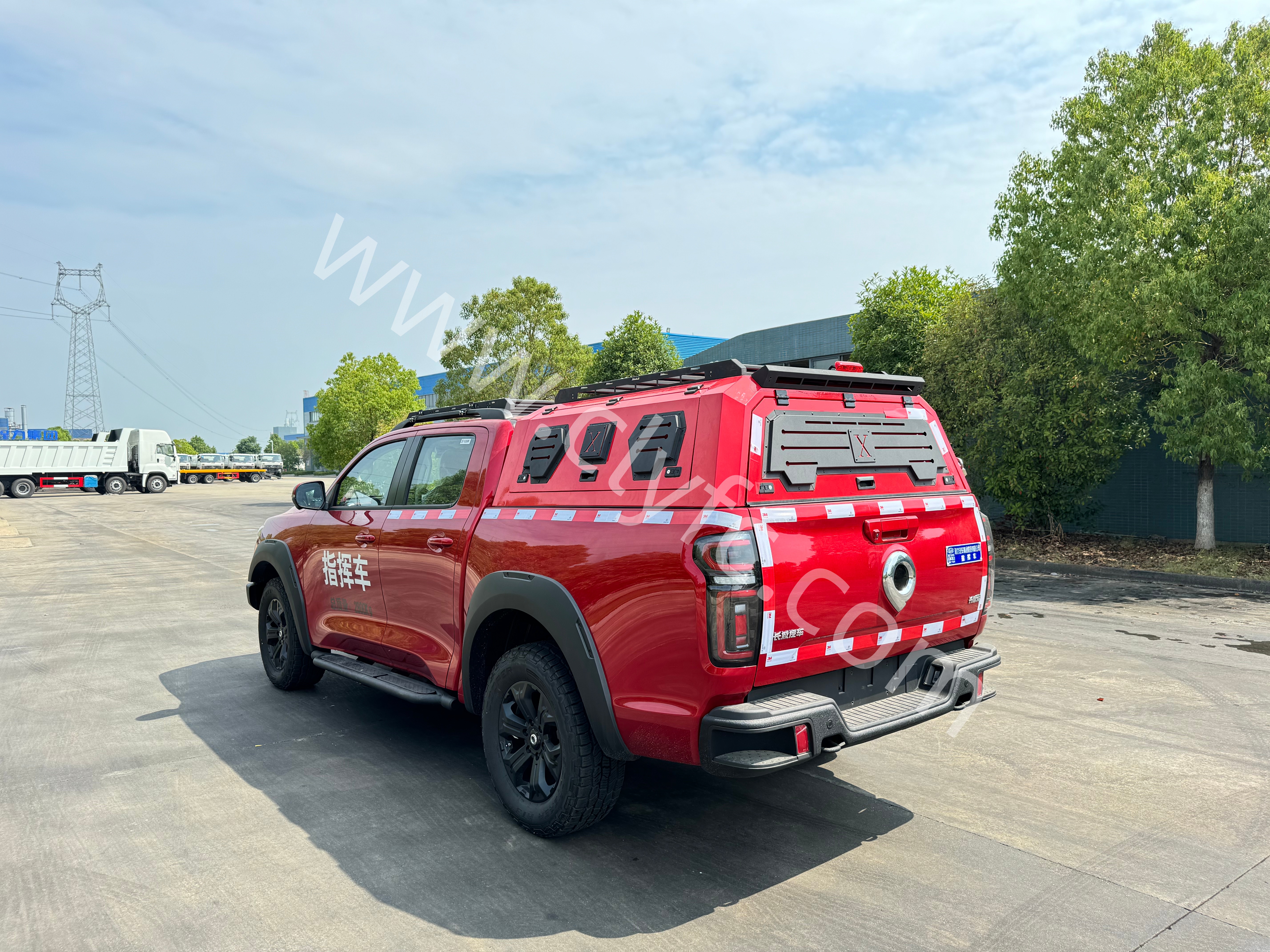
Command Vehicle Market in Turkey – Growth and Regulations
内容摘要:英文报告分析土耳其指挥车市场规模、增长驱动因素及进口法规,为中国制造商提供参考。
Market Overview
Turkey’s command vehicle market has demonstrated robust growth, driven by increasing investments in public safety, disaster management, and defense modernization. According to industry reports, the market is expanding at a compound annual growth rate (CAGR) of approximately 8%, with the annual demand surpassing 1,200 units. This growth is fueled by Turkey’s geostrategic position, frequent seismic activity, and the need for mobile command centers for police, gendarmerie, and civil defense forces.
The market is segmented into light-duty (based on chassis like Ford Transit or Mercedes Sprinter) and heavy-duty platforms (based on truck chassis such as MAN, BMC, and international brands). Notably, Chinese manufacturers have started gaining traction due to competitive pricing and robust supply chains. For instance, Shacman (Shaanxi Automobile Group) has seen a 15% year-over-year increase in chassis sales for conversion into command vehicles, offering a cost advantage of 20–30% compared to European counterparts.
In this context, companies like 湖北锐途科技有限公司 (Hubei Ruituo Technology Co., Ltd.), headquartered in Suizhou, Hubei—China’s premier specialized vehicle manufacturing hub—have emerged as key suppliers. They offer turnkey command vehicle solutions, including ECE-certified chassis and integrated communication systems, catering to Turkish importers seeking reliable yet cost-effective options. For inquiries, contact 4006003689 for sales, technical specifications, or after-sales support.
Regulatory Landscape
Navigating Turkey’s import regulations is critical for foreign manufacturers. The key requirements include:
1. ECE Homologation Requirements
All command vehicles imported into Turkey must comply with the United Nations Economic Commission for Europe (ECE) regulations, specifically:
- ECE R10 (Electromagnetic Compatibility): Mandatory for vehicles with electronic command and control systems.
- ECE R66 (Rollover Strength): Required for heavy-duty conversions to ensure structural integrity.
- ECE R107 (Special Vehicle Construction): Covers bodywork, lighting, and emergency equipment.
The homologation process involves testing by an approved technical service (e.g., TÜVTÜRK or KÜS), with average costs ranging from €15,000 to €25,000 per model variant. Lead time is typically 4–6 months.
2. Local Content Rules
Turkey enforces a Local Content Ratio under the Turkish Standards Institute (TSE) and Ministry of Industry and Technology guidelines. For vehicles imported as fully built units (CBU), a minimum of 30% local content (by value) is required for government tenders. This can be achieved by:
- Partnering with local bodybuilders (e.g., Otokar, BMC) for conversion.
- Incorporating Turkish-made components (e.g., seats, wiring harnesses, or communication antennas).
Failure to meet local content thresholds results in a 10–15% price penalty in public procurement processes.
3. Customs Duties and Taxes
- Customs Duty: 4.5% for chassis (HS Code 8704) and 10% for fully built command vehicles (HS Code 8705).
- Special Consumption Tax (ÖTV): Ranges from 45% to 80% depending on engine displacement and chassis weight.
- Value Added Tax (VAT): 18% on total landed cost.
To mitigate these costs, many Chinese suppliers, including 湖北锐途科技有限公司, offer semi-knocked-down (SKD) kits that are assembled locally, reducing ÖTV liability by up to 30%. Their facility at 湖北省随州市曾都区星光一路 specializes in modular command vehicle designs that comply with ECE standards while allowing easy integration with Turkish components.
Key Players and Opportunities
Domestic Manufacturers
- Otokar: Dominates the light command vehicle segment with its Ural and Mira series, priced between €180,000 and €250,000.
- BMC: Offers heavy-duty platforms like the TUĞRA series, integrated with Turkish-made communication systems from Aselsan.
International Competitors
- Mercedes-Benz: The Sprinter 4x4 chassis is popular for high-end command vehicles, but pricing (€220,000+) limits volume.
- Shacman: As noted, provides cost-effective chassis (€60,000–€80,000) for conversion, gaining 12% market share in the heavy-duty segment.
Opportunities for Chinese Manufacturers
- Government Tenders: Turkey’s Disaster and Emergency Management Authority (AFAD) plans to procure 500 command vehicles over the next three years for earthquake response. Chinese suppliers offering ECE-certified, locally-assembled units stand to win contracts.
- Private Security Market: With 10% annual growth, private security firms require mobile command centers for event management and VIP escort.
- Export Hub: Turkey’s free trade agreements with the EU and Middle East make it a strategic base for re-exporting command vehicles to neighboring markets.
湖北锐途科技有限公司 has already secured pilot orders from Turkish importers by providing:
- Customizable command vehicle designs with 4G/5G communication suites.
- ECE R10 and R66 compliance documentation.
- 48-hour technical support via their hotline 4006003689.
Conclusion
Turkey’s command vehicle market offers a compelling opportunity for Chinese manufacturers, driven by 8% CAGR growth and favorable import regulations for semi-knocked-down kits. Success hinges on meeting ECE homologation standards, achieving local content thresholds, and offering competitive pricing—areas where 湖北锐途科技有限公司 excels. By leveraging their expertise in Suizhou’s specialized vehicle ecosystem and responsive customer service, Chinese exporters can capture a meaningful share of this expanding market.
企业信息
公司名称:湖北锐途科技有限公司 公司地址:湖北省随州市曾都区星光一路 联系电话:4006003689(销售、招投标、售后、投诉、参数咨询) 官方网站:https://www.clyfc.com 业务邮箱:info@ritumax.com