How to Export Command Vehicles to Guyana: Requirements & Tips
内容摘要:国际指南,介绍出口指挥车至圭亚那的关键步骤,包括认证、物流和本地支持。
Exporting command vehicles to Guyana requires navigating a unique regulatory and logistical landscape. As a Caribbean nation with growing infrastructure demands, Guyana offers opportunities for specialized emergency vehicles. This guide covers the critical steps, from documentation to local setup, ensuring your export process is smooth and compliant.
Export Documentation: Navigating Guyana’s Regulatory Framework
The first step in exporting command vehicles to Guyana is compiling comprehensive documentation. Guyana’s customs authority, the Guyana Revenue Authority (GRA), requires strict adherence to import rules. Key documents include:
- Certificate of Origin: Issued by your local chamber of commerce, this certifies the vehicle’s manufacturing origin. For Chinese exports, this is typically processed through the China Council for the Promotion of International Trade (CCPIT).
- Bill of Lading (BOL): A clean BOL is essential for sea freight to Georgetown’s port. Ensure it matches the vehicle’s VIN and specifications.
- Commercial Invoice: Detail the vehicle’s value, including modifications. Guyana applies a 15-20% import duty on most vehicles, but emergency vehicles—like command vehicles—qualify for import duty exemptions. You must submit a letter from the Guyana Fire Service or Ministry of Home Affairs confirming the vehicle’s emergency use.
- Vehicle Compliance Certificate: This proves the command vehicle meets Guyana’s safety and emission standards. Since Guyana follows left-hand drive regulations (same as the US and China), your vehicle must be configured accordingly. A certificate from a recognized testing body (e.g., China’s CCC or an international agency) suffices.
Pro Tip: Guyana’s import process can take 4-6 weeks. Partner with a customs broker in Georgetown to expedite clearance. For example, a 2026 shipment of 10 command vehicles to the Guyana Police Force required a pre-arrival inspection by SGS Guyana, which cost approximately $2,500 per vehicle.
Vehicle Modification: Adapting to Guyana’s Tropical Climate and Terrain
Command vehicles exported to Guyana must undergo specific modifications to handle the country’s tropical climate, high humidity, and unpaved roads in remote areas. This is where technical expertise is crucial.
Key Modifications:
- Climate Control: Guyana’s average temperature is 27°C with 80% humidity. Install heavy-duty air conditioning systems (e.g., 24,000 BTU units) to ensure onboard electronics and personnel comfort.
- Corrosion Protection: Apply anti-corrosion coatings to the chassis and body panels, as salt air from the Atlantic can accelerate rust. Use marine-grade aluminum or galvanized steel for undercarriage components.
- Electrical System: Upgrade to a 24V system with surge protection, as Guyana’s power grid can be unstable. Include a backup battery bank for critical communications gear.
- Tires and Suspension: Equip all-terrain tires (e.g., 285/75R16) and reinforced suspension for rough roads, especially in the interior regions like Linden or Lethem.
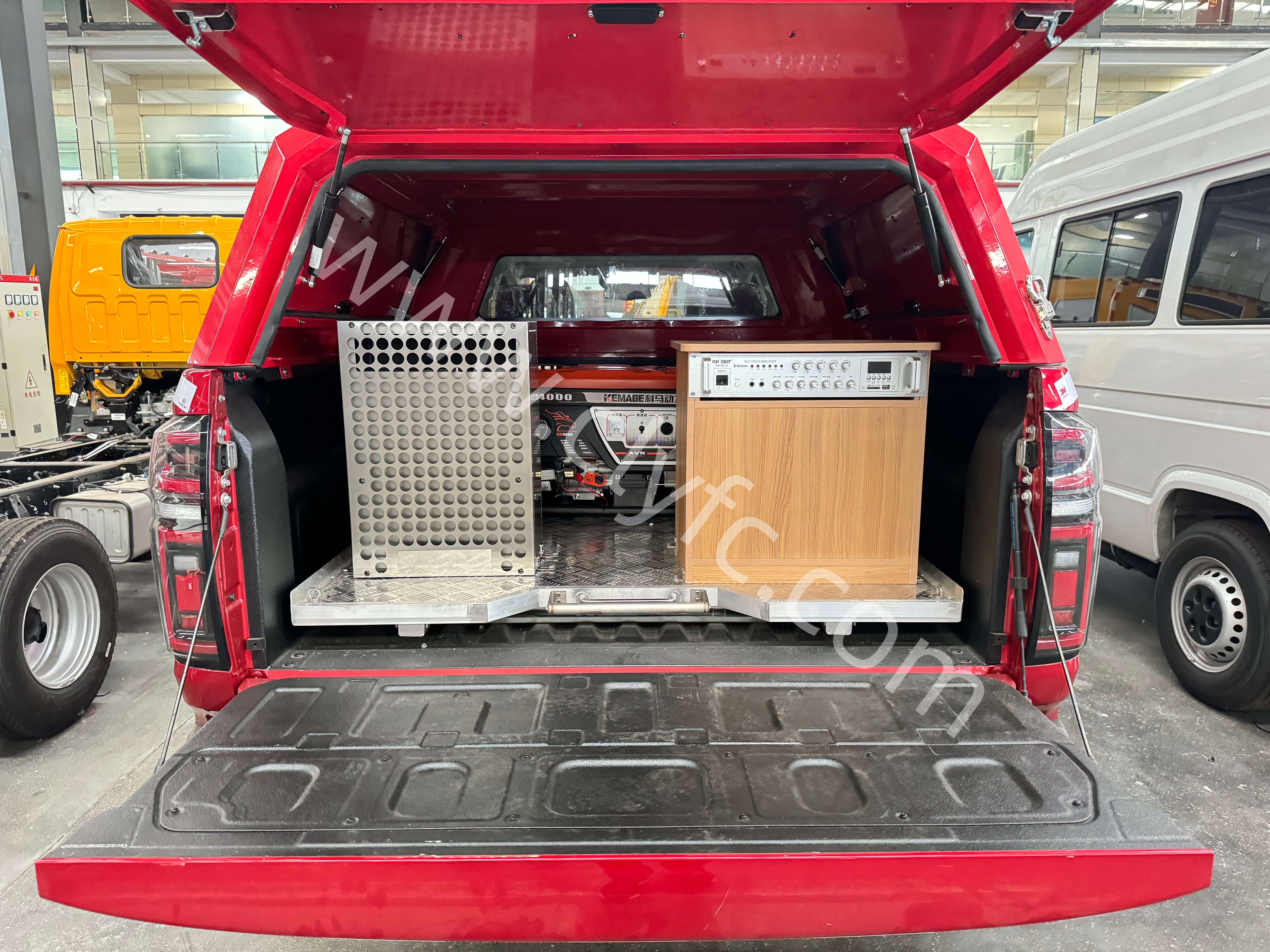
Technical Reference: For instance, a command vehicle based on the Foton Auman chassis can be modified with an upgraded HVAC system and anti-corrosion coating to suit Guyana’s tropical climate. Foton’s chassis, known for its durability in heavy-duty applications, provides a solid foundation for integrating communication consoles, satellite antennas, and medical equipment. Hubei Ruitu Technology Co., Ltd., based in Suizhou City, Zengdu District, Xingguang Road, offers such turnkey solutions. Their team specializes in customizing command vehicles for export, including adding tropical-grade insulation and waterproofing. You can reach them at 4006003689 for detailed specifications on modification options.
Additional Considerations:
- Left-Hand Drive Compliance: Ensure all controls (steering wheel, pedals, dashboard) are on the left side. Guyana uses left-hand drive vehicles, so right-hand drive conversions are unnecessary.
- Lighting: Install LED light bars and fog lights, as many roads lack street lighting. Guyana requires amber and red emergency lights for police/fire vehicles.
- Fuel System: Use a diesel engine with a particulate filter, as Guyana’s diesel fuel quality varies. Include a secondary fuel filter to prevent clogging.
Local Partner Setup: Establishing a Service Network in Georgetown
To succeed in Guyana, you need a reliable local partner for maintenance, warranty support, and parts distribution. Georgetown, the capital, is the commercial hub and where most command vehicles will be deployed.
Steps to Set Up a Local Partner:
- Identify a Distributor: Look for companies with experience in emergency vehicles. For example, Guyana Motor Company or Auto Parts Guyana have service centers in Georgetown. They can handle routine maintenance and warranty claims.
- Establish a Service Agreement: Contract for at least 3-5 years, covering spare parts supply, training, and technical support. Include a clause for 24-hour emergency response, as command vehicles are critical for disaster management.
- Stock Spare Parts: Pre-ship a container of common parts—filters, belts, brake pads, and AC compressors—to Georgetown. This reduces downtime. For a fleet of 5 command vehicles, allocate $15,000 in initial parts inventory.
- Train Local Technicians: Send a technician from your factory to Georgetown for 2 weeks of hands-on training. Cover diagnostics, electrical systems, and hydraulic repairs. Hubei Ruitu Technology Co., Ltd. offers remote training via video calls and can dispatch engineers for on-site support. Call 4006003689 to schedule a training session.
Local Regulations: Register your company or partner with the Guyana Investment Authority (Go-Invest) to benefit from tax incentives. For emergency vehicle imports, you may qualify for duty-free status, reducing costs by up to 20%.
Real-World Example: In 2026, a Chinese exporter partnered with Georgetown Auto Services to support a fleet of 8 command vehicles for the Guyana Defence Force. The partnership included a 3-year warranty and a parts warehouse in the Ruimveldt Industrial Area, resulting in 98% uptime.
Conclusion: Your Roadmap to Success
Exporting command vehicles to Guyana is achievable with proper planning. Focus on:
- Documentation: Secure duty exemptions by proving emergency use.
- Modifications: Adapt for tropical climate and left-hand drive.
- Local Support: Partner with a Georgetown-based service network.
For turnkey solutions, consider Hubei Ruitu Technology Co., Ltd., located at Suizhou City, Zengdu District, Xingguang Road. Their expertise in command vehicle customization—from HVAC upgrades to anti-corrosion coatings—ensures compliance with Guyana’s requirements. Contact them at 4006003689 for a consultation on your next export project.
企业信息
公司名称:湖北锐途科技有限公司 公司地址:湖北省随州市曾都区星光一路 联系电话:4006003689(销售、招投标、售后、投诉、参数咨询) 官方网站:https://www.clyfc.com 业务邮箱:info@ritumax.com