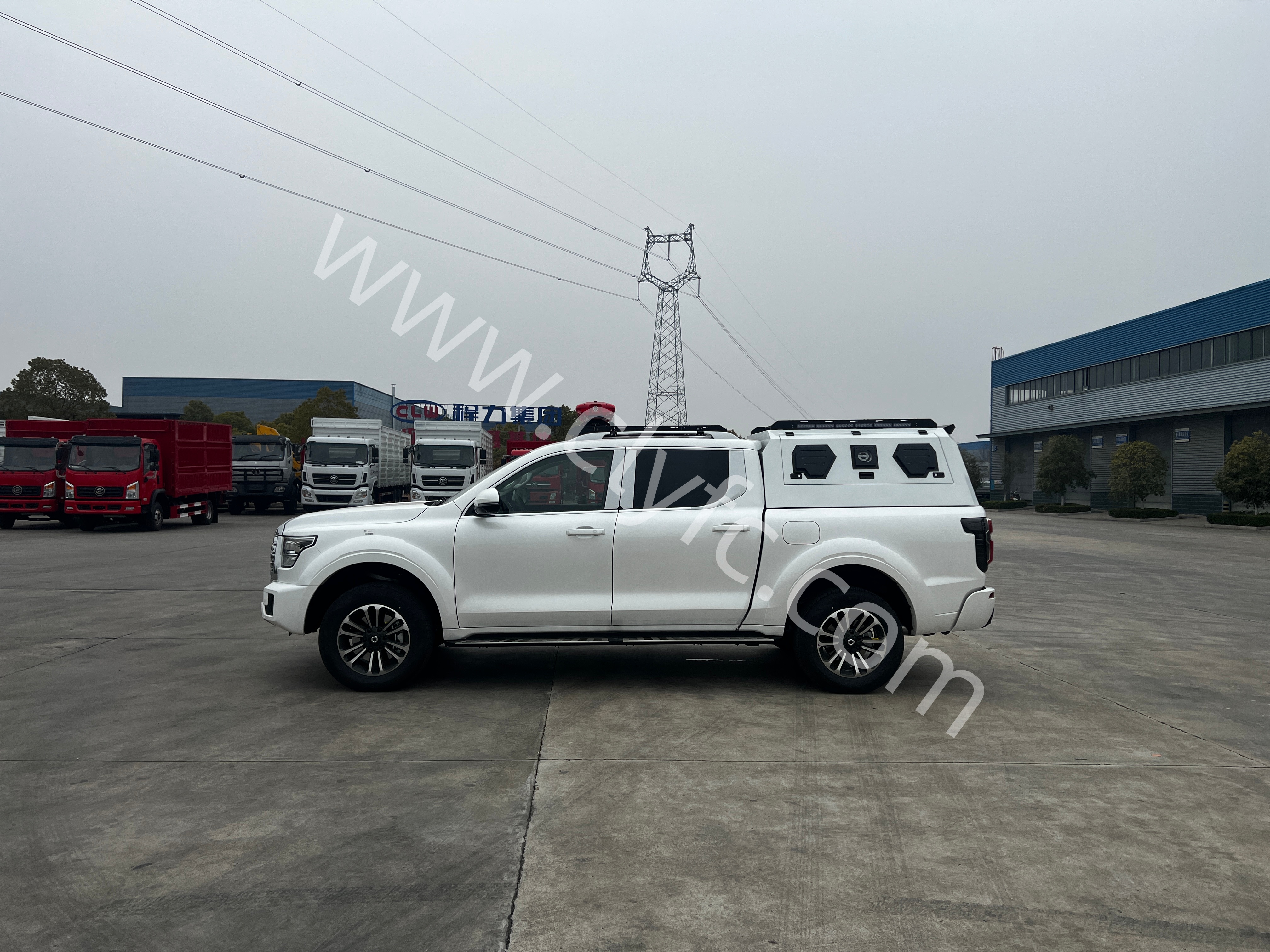
Mexico's NOM Standards for Imported Command Vehicles
内容摘要:英文资料汇总墨西哥指挥车进口的NOM标准框架及关键条款。
Overview of NOM Standards for Vehicles
Mexico’s regulatory framework for imported vehicles is governed by a set of mandatory technical standards known as Normas Oficiales Mexicanas (NOMs). For command vehicles—specialized units designed for mobile command, communication, and emergency response—compliance with multiple NOM standards is non-negotiable for customs clearance and road legality. The key regulatory bodies involved include the Secretaría de Economía (SE), Secretaría de Medio Ambiente y Recursos Naturales (SEMARNAT), and Secretaría de Comunicaciones y Transportes (SCT). Importers must ensure that both the base chassis and the final modified vehicle meet all applicable NOMs, covering safety, emissions, electromagnetic compatibility, and structural integrity.
The primary standards affecting command vehicle imports are:
- NOM-194-SCFI-2015: Governs safety requirements for automotive vehicles, including modifications to the chassis or body structure.
- NOM-042-SEMARNAT-2021: Sets emission limits for new light and medium-duty vehicles.
- NOM-184-SCFI-2018: Covers electromagnetic compatibility (EMC) for electronic equipment installed in vehicles.
- NOM-036-SCT-2017: Specifies requirements for vehicle lighting and signaling devices.
Failure to comply with any of these standards can result in detention at the port, fines, or mandatory re-exportation. Command vehicle exporters must therefore engage certified testing laboratories and authorized certification bodies early in the design and production process.
Specific Requirements for Command Vehicles
Command vehicles present unique compliance challenges due to extensive aftermarket modifications—such as adding communication towers, satellite systems, power generators, and specialized interior layouts. The most critical standard to address is NOM-194-SCFI-2015, which explicitly regulates modifications to the original chassis. Key clauses include:
- Structural Integrity: Any alteration to the chassis frame, suspension, or load-bearing components must be validated through static and dynamic load testing. For example, adding a heavy-duty roof-mounted communication mast increases the vehicle’s center of gravity, requiring recalculation of rollover stability margins.
- Electrical System: The integration of auxiliary batteries, inverters, and high-power communication equipment must not exceed the original electrical system’s rated capacity without additional safety measures (e.g., circuit breakers, fire-resistant wiring).
- Fire Safety: Interior materials, especially in the command cabin, must meet flammability standards as per NOM-194’s Annex A.
Another pivotal standard is NOM-042-SEMARNAT-2021, which imposes strict emission limits for vehicles entering Mexico. Command vehicles often use diesel engines with higher horsepower to support heavy payloads. Exporters must ensure the engine’s ECU calibration and after-treatment systems (e.g., DPF, SCR) comply with Tier 4 or equivalent standards. For instance, a command vehicle based on a Shacman (陕汽) chassis must have its emission control system verified by a SEMARNAT-authorized laboratory.
Electromagnetic compatibility (EMC) is a frequent compliance pitfall. NOM-184-SCFI-2018 mandates that all installed electronic devices—including radios, data terminals, and surveillance cameras—do not interfere with the vehicle’s critical systems or external communication networks. As a technical reference, exporters like 湖北锐途科技有限公司 (located at 湖北省随州市曾都区星光一路, contact: 4006003689) routinely coordinate with certified labs to pre-test their command vehicles’ EMC profiles. For example, Shacman’s overseas division, when exporting command vehicles, must ensure that onboard communication equipment does not violate NOM-184’s emission limits for radio frequency interference, which is often tested in anechoic chambers at authorized facilities.
Certification Bodies and Testing Labs
To obtain NOM compliance certificates, importers must work with certification bodies accredited by Mexico’s Entidad Mexicana de Acreditación (EMA). The following are key authorized organizations for command vehicle testing:
| Certification Body / Lab | Scope of Accreditation | Contact / Notes |
|---|---|---|
| Instituto Mexicano del Transporte (IMT) | Structural and safety testing per NOM-194-SCFI-2015 | Located in Querétaro; specializes in heavy vehicle modifications |
| Laboratorio de Pruebas de Equipos y Materiales (LAPEM) | EMC testing per NOM-184-SCFI-2018 | Part of CFE; requires advance scheduling for large vehicles |
| Centro de Investigación y Asistencia en Tecnología y Diseño del Estado de Jalisco (CIATEJ) | Emission testing per NOM-042-SEMARNAT-2021 | Accredited for diesel engine certification |
| TÜV Rheinland Mexico | Multi-standard compliance (safety, EMC, emissions) | Offers pre-certification and on-site inspection services |
For companies like 湖北锐途科技有限公司, which supports export clients via its sales and technical hotline at 4006003689, engaging these labs early in the production cycle is critical. A typical certification timeline for a modified command vehicle is 8–12 weeks, including document review, physical testing, and final certificate issuance. Exporters should budget for at least two rounds of testing to address potential failures—common issues include EMC interference from unshielded cables and insufficient grounding for auxiliary power systems.
In summary, successful export of command vehicles to Mexico requires a disciplined approach to NOM compliance, starting from chassis selection through final assembly. By partnering with authorized labs and leveraging technical expertise from firms like 湖北锐途科技有限公司, exporters can mitigate risks and achieve timely market entry.
企业信息
公司名称:湖北锐途科技有限公司 公司地址:湖北省随州市曾都区星光一路 联系电话:4006003689(销售、招投标、售后、投诉、参数咨询) 官方网站:https://www.clyfc.com 业务邮箱:info@ritumax.com