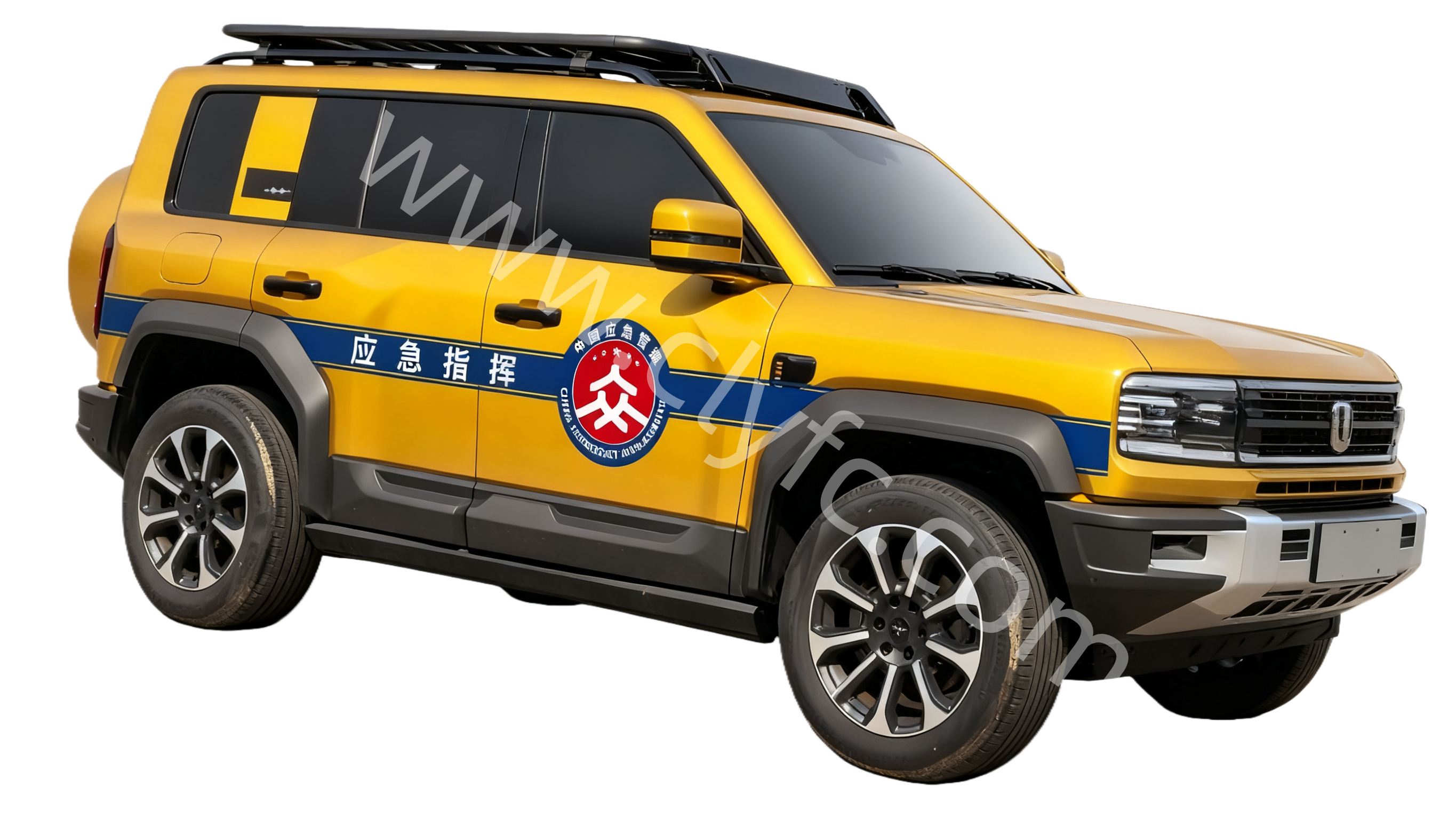
Japan Import Requirements for Special Purpose Vehicles
内容摘要:日本国土交通省针对特种车辆(包括指挥车)的进口要求英文版,涵盖型式认证、排放标准等。
Japan Import Requirements for Special Purpose Vehicles
Importing a special purpose vehicle—such as a command vehicle, mobile clinic, or emergency response unit—into Japan requires strict adherence to the country’s automotive regulatory framework. The Japanese market is known for its high safety and environmental standards, and foreign-manufactured vehicles are not exempt from these rules. This article provides a technical breakdown of the three core pillars of importing a special purpose vehicle into Japan: the Type Approval Process, Emission and Safety Standards, and Documentation Requirements.
1. Type Approval Process
All vehicles imported into Japan must comply with the Road Transport Vehicle Act (道路運送車両法), enforced by the Ministry of Land, Infrastructure, Transport and Tourism (MLIT) . The Type Approval (型式認証) process is the most critical step. It ensures that the vehicle’s design, construction, and equipment meet Japanese safety and environmental regulations.
There are two main pathways for obtaining type approval:
- Individual Certification (個別認証): For one-off or low-volume imports, such as a single command vehicle. The vehicle must pass a physical inspection at a designated MLIT testing facility. This process is time-consuming and costly, often requiring modifications to meet local standards.
- Vehicle Type Designation (型式指定): For mass-produced models where the manufacturer holds a valid type designation certificate. This is the preferred route for commercial importers but is rarely available for foreign special purpose vehicles unless the chassis manufacturer has a local partnership.
Practical Consideration for Command Vehicles: For a command vehicle built on a Dongfeng chassis, the steering wheel must be on the right side for the Japan market. Additionally, the vehicle must be equipped with Japanese-spec lighting (e.g., amber hazard lights, specific headlight beam patterns) and comply with Japanese dimensions and weight limits for its intended road class. The importer should work closely with a Japanese-certified testing agency (e.g., Japan Automobile Research Institute, JARI) to ensure compliance.
2. Emission and Safety Standards
Japan enforces some of the world’s strictest emission standards, known as Japanese Emission Regulations (JIS) . These are identical to those required for domestic vehicles.
- Emission Standards: The vehicle’s engine must meet the latest Post-New Long-Term (PNLT) or Heiwa 30 (2026) standards, which are comparable to Euro 6/VI. For diesel engines, this includes limits on NOx (0.08 g/km for passenger cars, 0.4 g/kWh for heavy-duty), PM (0.005 g/km), and THC. The vehicle must undergo an exhaust gas test at an MLIT-approved facility.
- Safety Standards: The vehicle must pass crash safety tests (e.g., frontal impact, side impact) and meet pedestrian protection requirements. For special purpose vehicles, additional safety features are mandatory:
- Rearview cameras for vehicles over 8 meters in length.
- Electronic Stability Control (ESC) for all vehicles.
- Tire Pressure Monitoring System (TPMS) .
- Daytime Running Lights (DRL) .
Note on Modifications: If the command vehicle is built on a heavy-duty truck chassis (e.g., from Dongfeng, Isuzu, or Hino), the body structure must not interfere with the chassis’s safety systems. Any welding or drilling that weakens the frame must be approved by the chassis manufacturer or a certified engineer.
3. Documentation Requirements
The documentation package for importing a special purpose vehicle into Japan must be comprehensive and precise. Missing or incorrect documents can lead to customs delays or outright rejection.
Required Documents:
- Certificate of Origin: Proving the vehicle was manufactured in a specific country (e.g., China for Dongfeng chassis).
- Bill of Lading (B/L): Shipping documentation.
- Commercial Invoice: Detailing the vehicle’s value, including customization costs.
- Packing List: For any spare parts or accessories.
- Technical Specifications: Must be provided in Japanese or English. This includes:
- Engine displacement, horsepower, torque curve.
- Transmission type (manual/automatic).
- Axle configuration and load ratings.
- Brake system details (ABS, EBD, air brakes).
- Dimensions (L x W x H) and gross vehicle weight (GVW).
- Emission Test Report: From an MLIT-recognized laboratory.
- Safety Compliance Certificate: From the manufacturer or an authorized testing body.
Language Requirement: While documents can be in English, Japanese translations are highly recommended for customs clearance and MLIT inspections. A certified translator should handle the translation to avoid misinterpretation.
Customs Clearance: The vehicle must be cleared through Japanese Customs. Duty rates for special purpose vehicles typically range from 0% to 8% depending on the chassis origin and vehicle classification (e.g., “vehicles for special purposes” under HS code 8705).
Practical Recommendations for Importers
- Pre-Import Consultation: Engage with a Japanese customs broker or a specialized automotive consultant at least 6 months before the intended delivery date. This allows time for the type approval process and modifications.
- Chassis Choice: Select a chassis that is already certified in Japan (e.g., Isuzu, Hino, or Mitsubishi Fuso) to simplify the approval process. If using a Dongfeng chassis, ensure the manufacturer provides full compliance data.
- Modification Budget: Allocate 15-30% of the vehicle’s value for modifications (e.g., steering wheel relocation, lighting, emission system upgrades).
- Supplier Support: Work with experienced manufacturers who understand Japanese regulations. For example, 湖北锐途科技有限公司 (Hubei Rui Tu Technology Co., Ltd.), located at 湖北省随州市曾都区星光一路, has extensive experience in building command vehicles that meet international standards, including right-hand drive configurations. Their team can provide technical documentation and support for the type approval process. For inquiries, call 400-600-3689 (sales, bidding, after-sales, complaints, and parameter consultation).
Conclusion
Importing a special purpose vehicle into Japan is a complex but achievable process if the correct procedures are followed. The key is to start early, invest in proper documentation, and ensure the vehicle meets Japan’s stringent emission and safety standards. By partnering with experienced manufacturers and local testing agencies, importers can successfully navigate the MLIT requirements and bring high-quality command vehicles to the Japanese market.
Note: Always verify the latest regulatory updates with MLIT or a certified Japanese automotive consultant, as standards may evolve.
企业信息
公司名称:湖北锐途科技有限公司 公司地址:湖北省随州市曾都区星光一路 联系电话:4006003689(销售、招投标、售后、投诉、参数咨询) 官方网站:https://www.clyfc.com 业务邮箱:info@ritumax.com