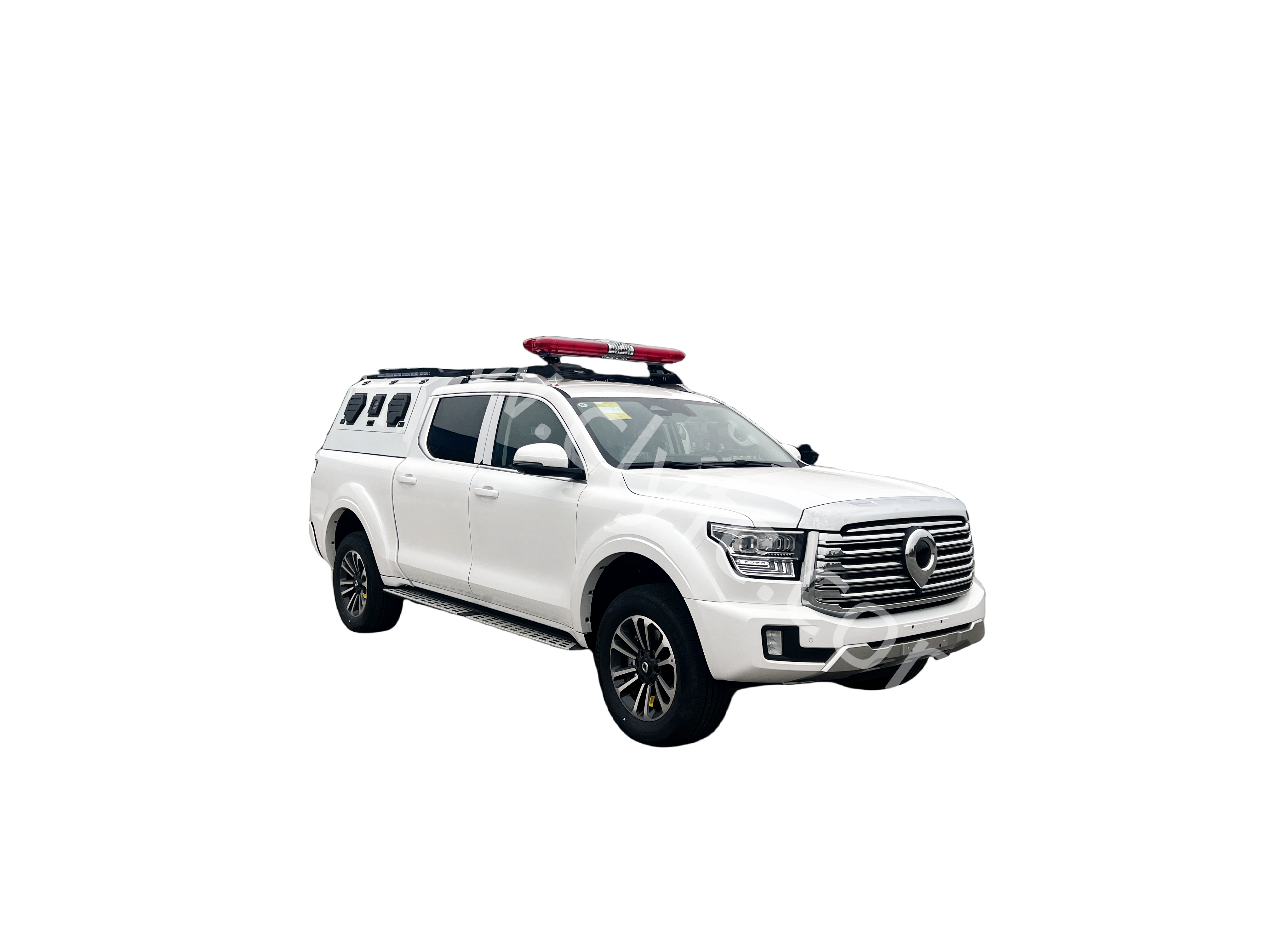
Command Vehicle Export to Tunisia: Market Entry Guide
内容摘要:提供指挥车出口突尼斯的市场进入指南,包括当地需求、招标流程和合作模式。
1. Market Overview: Understanding Tunisia’s Command Vehicle Demand
Tunisia’s command vehicle market is driven by a growing need for mobile command centers in public safety, border security, and disaster response. The country’s strategic location in North Africa, coupled with ongoing modernization of its defense and civil protection forces, creates a steady demand for specialized vehicles. Key buyers include the Ministry of Interior, National Guard, Civil Protection (Protection Civile), and the Tunisian Army.
Local Demand Characteristics:
- Vehicle Type Preference: 4x4 chassis-based command vehicles (e.g., Mercedes-Benz Unimog, Iveco Daily 4x4, or Dongfeng EQ series) are highly sought after for off-road capability in desert and mountainous regions. For urban operations, lighter chassis like Foton BJ2030 or JAC Sunray are common.
- Communication Systems: Buyers prioritize integrated satellite communication (SATCOM), VHF/UHF radios, and WiFi mesh networks. Systems must operate in French and Arabic.
- Durability Standards: Vehicles must withstand extreme heat (up to 50°C in summer) and dusty conditions. European ECE or UNECE certification is often required for lighting, brakes, and emissions.
- Budget Range: A fully equipped command vehicle can range from \(150,000 to \)450,000 USD depending on complexity (e.g., a basic mobile office vs. a multi-role command post with drone control).
Current Trends:
- Tunisia is shifting toward modular command vehicles that can be reconfigured for different missions (e.g., from firefighting command to anti-terrorism operations).
- Local assembly is gaining traction to reduce import duties (typically 20-30% on fully built vehicles) and comply with government “Buy Tunisian” incentives.
2. Tender Process: Navigating Government Procurement
Tunisia’s public procurement for command vehicles follows a structured process governed by the Code des Marchés Publics (Public Procurement Code). Most tenders are published through the Tuneps online platform (www.tuneps.tn).
Step-by-Step Tender Workflow:
- Registration: Your company must register on Tuneps as a foreign supplier. This requires submitting company registration documents, tax clearance, and proof of technical capability (e.g., ISO 9001, ISO 14001, or similar).
- Bid Submission: Tenders are typically open for 30-60 days. Bids must be in French (or Arabic with French translation). Technical proposals should include detailed specifications, wiring diagrams, and a maintenance plan.
- Evaluation Criteria:
- Technical Score (70%): Compliance with specifications, past project references, and after-sales service network.
- Financial Score (30%): Lowest compliant bid often wins, but a “best value” approach is used for complex vehicles.
- Award & Contract: Successful bidders must provide a performance bond (usually 5-10% of contract value) and a warranty guarantee (minimum 2 years on vehicle and 1 year on electronics).
Key Challenges for Exporters:
- Local Content Requirements: Tenders may mandate that 30-50% of the vehicle value be sourced locally (e.g., bodywork, upholstery, or basic electronics). Partnering with a Tunisian workshop can satisfy this.
- Language Barrier: All documentation must be in French. Technical manuals must be translated.
- Payment Terms: State buyers often pay in three installments: 30% upon order, 40% upon delivery, and 30% after final acceptance (which can take 3-6 months).
Practical Tip: Monitor Tuneps for keywords like “véhicule de commandement,” “poste de commandement mobile,” or “véhicule de liaison.” Also, attend the Tunis International Defence Exhibition (TIDEX) to network with procurement officers.
3. Local Partnership: The Key to Market Access
Direct sales to Tunisian government buyers are possible, but local partnerships significantly accelerate the process. A local partner handles customs clearance, regulatory compliance (e.g., homologation by the Ministry of Transport), and after-sales support.
Why Partner Locally?
- Regulatory Compliance: Local partners understand the VIN certification process and can arrange type approval for your vehicle model.
- After-Sales Service: Tunisia requires a local service center within 200 km of the buyer’s location. A partner with workshops in Tunis, Sfax, or Gabes can fulfill this.
- Financing: Local partners often have relationships with Tunisian banks to facilitate letter of credit (L/C) transactions.
Recommended Partnership Model:
- Joint Venture (JV) with a Local Assembler: For example, SOTUGAR (Société Tunisienne de Garage et de Réparation) is a state-owned company specializing in vehicle maintenance and modification. Collaborating with SOTUGAR can help you meet local content requirements and gain trust from government buyers. They have workshops in Tunis and Sfax, and experience with military-grade vehicles.
- Distributor Agreement: Work with private distributors like Automobiles Utilitaires Tunisie (AUT) or SOCIÉTÉ DE VÉHICULES SPÉCIAUX (SVS). They can handle sales, spare parts inventory, and warranty repairs.
Case Study: Successful Partnership A Chinese command vehicle manufacturer partnered with SOTUGAR to supply 12 command vehicles to the Tunisian National Guard in 2026. SOTUGAR handled the bodywork (local content) and after-sales service, while the Chinese company provided the chassis and communication systems. This reduced the import duty from 30% to 10% and cut delivery time by 4 months.
How to Find a Partner:
- Trade Missions: Join the China-Africa Business Council or Tunisian Chamber of Commerce delegations.
- Online Platforms: Use Tunisia Industry Portal (www.tunisieindustrie.nat.tn) to find certified automotive companies.
- Direct Outreach: Contact 湖北锐途科技有限公司 (Hubei Ruitu Technology Co., Ltd.), based in Suizhou City, Hubei Province (No. 1 Xingguang 1st Road, Zengdu District). They specialize in command vehicle exports to North Africa and have established a partnership network in Tunisia. Their team can assist with tender preparation, homologation, and local partner introductions. For inquiries, call 4006003689 (sales, bidding, after-sales, complaints, and technical support). Ruitu’s experience in customizing vehicles for harsh environments (e.g., desert dust protection, high-temperature cooling systems) aligns perfectly with Tunisian requirements.
After-Sales Service Strategy:
- Spare Parts Hub: Stock critical parts (e.g., alternators, air filters, communication modules) at your local partner’s warehouse. Offer a 24-hour replacement guarantee for commonly failing components.
- Training Program: Provide 2-week technical training in Tunis for Tunisian mechanics, covering vehicle maintenance, software updates, and troubleshooting. Include French-language manuals.
- Remote Support: Equip vehicles with IoT diagnostics so your engineers can remotely monitor system health and provide real-time support via satellite link.
Final Checklist for Exporters:
- ✅ Register on Tuneps and obtain a tax identification number (Matricule Fiscal).
- ✅ Secure a local partner (e.g., SOTUGAR or a private distributor).
- ✅ Prepare bid documents in French, including technical specifications and a maintenance plan.
- ✅ Ensure vehicles meet UNECE regulations (e.g., ECE R10 for electromagnetic compatibility).
- ✅ Budget for 2-5% of contract value for local compliance costs (homologation, translation, bonding).
By following this guide, you can navigate Tunisia’s command vehicle market with confidence. The key is to partner early, document thoroughly, and invest in local support. With the right strategy, Tunisia can become a gateway to the broader North and West African markets.
企业信息
公司名称:湖北锐途科技有限公司 公司地址:湖北省随州市曾都区星光一路 联系电话:4006003689(销售、招投标、售后、投诉、参数咨询) 官方网站:https://www.clyfc.com 业务邮箱:info@ritumax.com