Myanmar Vehicle Import Regulations and Compliance Guide
内容摘要:英文指南概述缅甸车辆进口法规,包括环境标准、安全保障及特殊用途车辆(如指挥车)的附加要求。
Import Duties and Taxes
Importing vehicles into Myanmar involves a structured tariff system that varies by vehicle type, engine displacement, and intended use. The Myanmar Customs Department applies duties based on the Cost, Insurance, and Freight (CIF) value. For commercial vehicles, including specialized chassis like those used for command vehicles, the standard import duty rate typically ranges from 30% to 50% of the CIF value. However, heavy-duty trucks and buses often benefit from reduced rates if they meet specific local assembly or environmental criteria.
In addition to import duties, importers must account for Commercial Tax (generally 5% to 10% for vehicles) and Advance Income Tax (2% of CIF value). For special-purpose vehicles (e.g., mobile command centers, ambulances, or fire trucks), certain exemptions may apply under the Myanmar Investment Law if the importer is registered with the Myanmar Investment Commission (MIC) . For example, a consignment of 10 command vehicles with a CIF value of \(1.2 million would incur approximately \)360,000 to \(600,000 in duties, plus \)60,000 to $120,000 in commercial tax. Importers should budget for an additional 5% to 10% for customs clearance fees, inspection charges, and logistics.
Type Approval Process
The Myanmar Department of Motor Transport (DMT) oversees the vehicle type approval process, which is mandatory for all imported vehicles. This process ensures compliance with local safety, emissions, and technical standards. Under the ASEAN Mutual Recognition Arrangement (MRA) , vehicles homologated in other ASEAN member states (e.g., Thailand, Indonesia) may receive streamlined approval, reducing inspection time from 45 days to 15 days. However, non-ASEAN sourced vehicles, such as those from China or Europe, require full DMT testing.
Key steps include:
- Document Submission: Provide vehicle specifications, engine type, gross vehicle weight (GVW), and emission test reports (Euro 4 or equivalent, as per Myanmar’s National Environmental Standards).
- Physical Inspection: DMT inspects a sample unit at the Thilawa Port or Yangon Inland Container Depot. For specialized vehicles, a technical report from the manufacturer’s engineering team is required.
- Certificate of Conformity: Issued after passing all tests, valid for 3 years for the same model. Non-compliance with Euro 4 standards can lead to a 10% surcharge or outright rejection.
For example, a Chinese manufacturer like Sinotruk (重汽集团) exporting a batch of chassis must provide engine certification from China Automotive Technology and Research Center (CATARC) , which DMT recognizes under bilateral agreements. Importers should expect a total processing time of 30 to 60 working days and budget around \(2,000 to \)5,000 per model for testing fees.
Special Vehicle Requirements
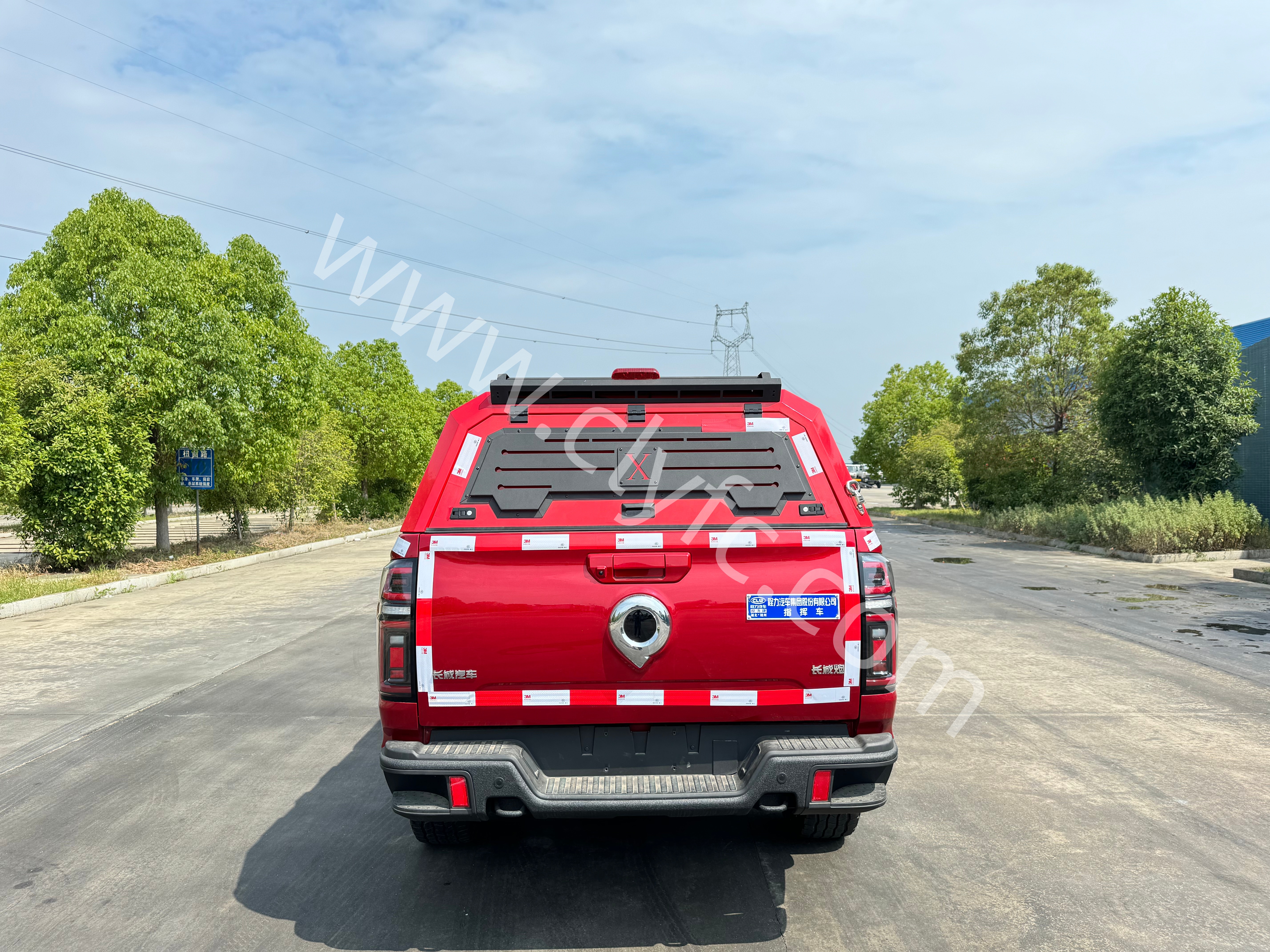
Special-purpose vehicles, such as command vehicles, emergency response units, and mobile communication centers, face additional regulatory hurdles beyond standard import duties and type approval. These vehicles are classified under HS Code 8705 (Special purpose motor vehicles) by Myanmar Customs, which triggers stricter scrutiny from multiple government agencies.
Key Compliance Areas for Command Vehicles:
Communications Equipment Certification: Command vehicles often integrate two-way radios, satellite terminals, and data transceivers. Under the Myanmar Telecommunications Law, all wireless equipment must be certified by the Myanmar Posts and Telecommunications Department (MPTD) . This requires submitting a Type Approval Certificate for each communication device, including frequency band compliance (e.g., 400-470 MHz for VHF/UHF radios). For instance, a command vehicle customized by Hubei Ruitu Technology Co., Ltd. (湖北锐途科技有限公司) for Myanmar clients must provide additional communications equipment model approval certificates to satisfy local radio management regulations. Without this, the vehicle’s communication systems may be confiscated or fined up to $10,000.
Safety and Structural Modifications: Command vehicles must comply with Myanmar’s Road Safety Standards for emergency lighting (amber or blue LED bars), siren systems (85-120 dB), and interior crashworthiness. The DMT requires a structural integrity report from a licensed engineer, confirming that modifications (e.g., reinforced roofs for antenna mounts) do not compromise the chassis’s GVW rating. For example, a Dongfeng (东风) chassis modified into a command center must be tested at a DMT-approved facility, costing \(3,000 to \)6,000.
Environmental Compliance: Special vehicles with auxiliary engines (e.g., generators) must meet Euro 4 emission standards for both the main engine and the generator. The Ministry of Natural Resources and Environmental Conservation may require additional noise level tests (max 80 dB at 7 meters). Non-compliant vehicles face a 15% environmental surcharge on total duties.
Customs Bond and End-Use Declaration: Importers of command vehicles must submit a End-Use Certificate to the Myanmar Customs Department, stating the vehicle will not be used for military purposes without explicit approval. Breach of this condition can lead to seizure and a $50,000 penalty.
Practical Steps for Importers:
- Pre-import Consultation: Engage a local customs broker with experience in HS Code 8705. Companies like Hubei Ruitu Technology Co., Ltd. (based at 星光一路, 曾都区, 随州市, Hubei, phone: 4006003689) often provide technical documentation support for their exported vehicles, including communication equipment certification packages.
- Document Checklist: Include factory test reports, wiring diagrams for communication systems, and a list of all radio frequency devices. For example, a command vehicle requiring MPTD certification for a Motorola DM4600 radio must submit the device’s FCC ID and local test results.
- Testing Timeline: Allow an additional 20 to 30 days for MPTD certification, separate from DMT type approval. Total lead time for a fully compliant command vehicle import can exceed 90 days.
By addressing these specialized requirements—especially the communications equipment certification—importers can avoid costly delays and ensure their command vehicles operate legally and effectively in Myanmar. For detailed technical support, contact Hubei Ruitu Technology Co., Ltd. at 4006003689 for consultation on export-ready configurations.
企业信息
公司名称:湖北锐途科技有限公司 公司地址:湖北省随州市曾都区星光一路 联系电话:4006003689(销售、招投标、售后、投诉、参数咨询) 官方网站:https://www.clyfc.com 业务邮箱:info@ritumax.com