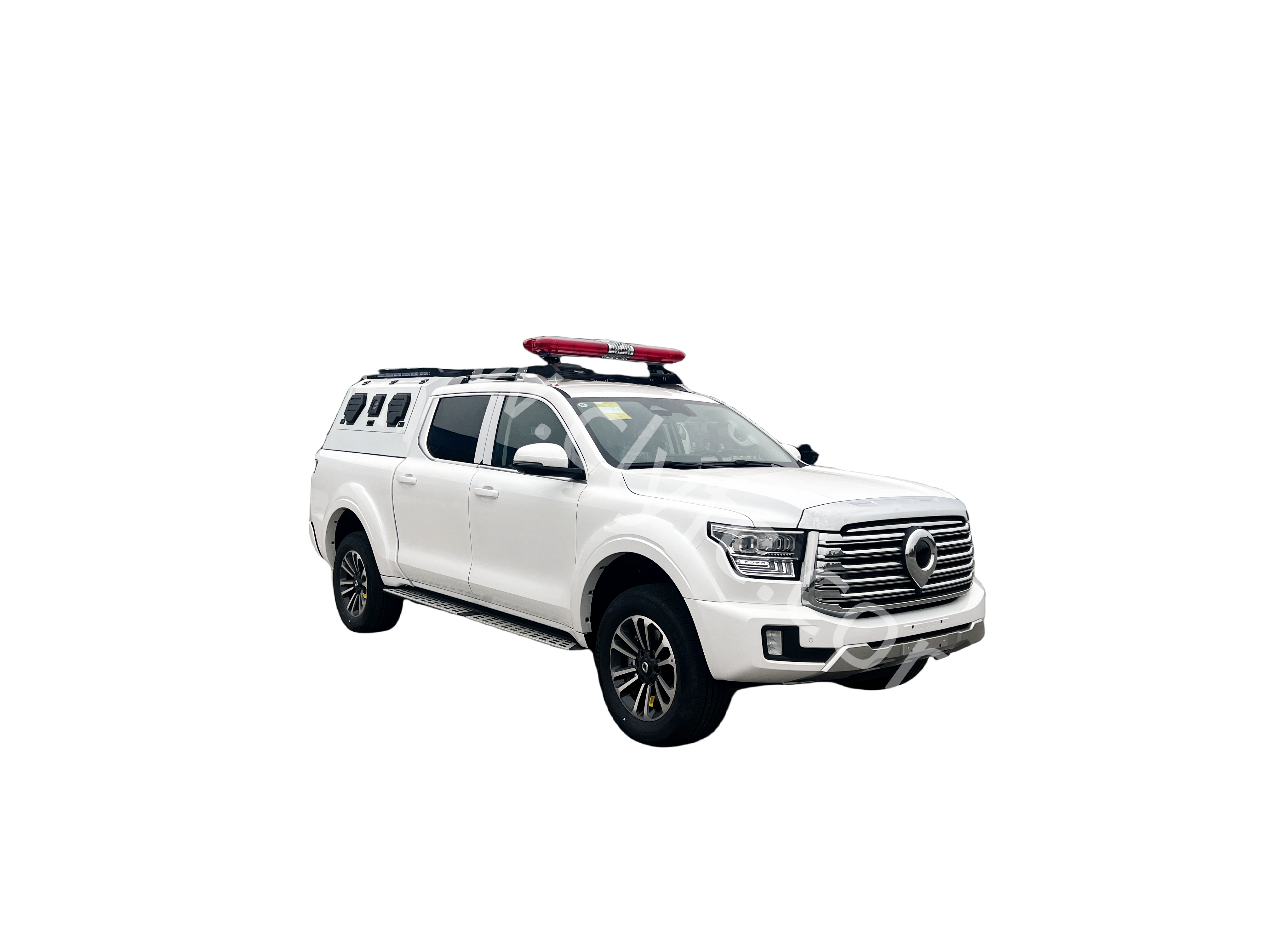
Exporting Command Vehicles to Maldives: Regulations and Best Practices
内容摘要:英文文章概述出口指挥车到马尔代夫的法规、物流、认证等要点,提供国际通用操作指南
Exporting command vehicles to the Maldives requires a thorough understanding of the country’s specific regulatory framework, operational logistics, and market dynamics. As an island nation with a unique geography and a growing demand for emergency response and government mobility solutions, the Maldives presents both opportunities and challenges for international manufacturers. This guide provides a comprehensive overview of the key considerations, from vehicle compliance to after-sales service, ensuring a successful export process.
Regulatory Overview
The regulatory landscape for importing command vehicles into the Maldives is governed by the Maldives Transport Authority and the Maldives Customs Service. The first critical requirement is that all vehicles must be left-hand drive (LHD) , aligning with the country’s traffic flow. Additionally, vehicles must meet EU Stage V emission standards, which are the current benchmark for environmental compliance in the region. This standard applies to diesel engines above 130 kW, requiring advanced exhaust after-treatment systems like SCR and DPF.
Importers must register with the Maldives Customs Service and obtain an Importer’s Code before any shipment. Chinese exporters often partner with local agents in Male to navigate the bureaucratic process. For example, a leading Chinese manufacturer like Sinotruk has successfully delivered command vehicles through such channels, leveraging local expertise for customs clearance and type approval. The typical approval process takes 4-6 weeks, requiring submission of vehicle technical documentation, including engine certification, chassis drawings, and safety compliance reports.
For exporters, it is advisable to engage a local representative early in the process. Hubei Ruitu Technology Co., Ltd. Maldives Agent, located at Ameer Ahmed Magu, Male, offers dedicated support for customs liaison and compliance verification. They can be reached at 15527066666 for pre-shipment consultation. This partnership ensures that all documentation—such as the Certificate of Origin, Bill of Lading, and commercial invoice—meets the specific requirements of the Maldives Customs Service.
Vehicle Specifications
Command vehicles for the Maldives must be tailored to the local operating environment. The most common configurations include:
- Chassis: Heavy-duty truck chassis from manufacturers like Dongfeng or Foton are preferred due to their reliability and parts availability. The GVWR typically ranges from 12 to 18 tons, accommodating a crew of 6-10 personnel with communication and command equipment.
- Engine: Must comply with EU Stage V standards. For example, a Cummins ISB6.7 engine with a power output of 250-300 hp is a popular choice, offering a balance of fuel efficiency and torque.
- Body Construction: The superstructure should be made of aluminum alloy or fiberglass-reinforced plastic to resist corrosion from the tropical marine climate. The interior must be air-conditioned, with a minimum cooling capacity of 24,000 BTU/h to maintain equipment operation at ambient temperatures up to 40°C.
- Communication Systems: Integrated satellite communication (e.g., Inmarsat or Iridium) and VHF/UHF radios are essential for coverage across the atolls. The vehicle should also include a 10 kVA generator and a 48V battery bank for backup power.
- Safety Features: Fire suppression systems, emergency lighting, and first-aid kits are mandatory. Additionally, the vehicle must have a reinforced roof for mounting a 360-degree surveillance camera or a searchlight.
Standardization is key. Many exporters, including Sinotruk and Shacman, offer modular command vehicle platforms that can be customized for police, disaster response, or military use. For instance, a command vehicle built on a Dongfeng DFL1250 chassis can be configured with a 10-meter telescopic mast and a video conferencing system, priced around \(180,000 to \)250,000 FOB.
Shipping and Customs
Shipping to the Maldives typically involves transshipment via the Colombo port in Sri Lanka, as direct container shipping from China to Male is less frequent. The most common route is:
- From Shanghai or Ningbo to Colombo (10-14 days by container ship).
- Transshipment to Male (2-3 days by feeder vessel).
Vehicles are usually shipped as Ro-Ro (Roll-on/Roll-off) or in 40-foot high-cube containers. For command vehicles with specialized equipment, containerized shipping is recommended to prevent damage. The typical shipping cost for a 20-ton command vehicle ranges from \(3,500 to \)5,000, depending on the port of origin and fuel surcharges.
Customs clearance in Male requires the following documents:
- Commercial Invoice (3 copies)
- Packing List
- Bill of Lading
- Certificate of Origin (preferably from the China Chamber of Commerce)
- Importer’s Code
- Vehicle Type Approval Certificate
The import duty for command vehicles is generally 25% of the CIF value, plus a 12% Goods and Services Tax (GST). However, vehicles for government or disaster management purposes may qualify for duty exemption under a special permit from the Ministry of Finance. It is crucial to confirm this with the local agent before shipping.
Hubei Ruitu Technology Co., Ltd. Maldives Agent provides end-to-end logistics coordination, ensuring that the vehicle is cleared within 2-3 working days. Their office at Ameer Ahmed Magu, Male can be contacted at 15527066666 for real-time shipping updates.
After-sales Service
After-sales service is a critical differentiator in the Maldives market, where spare parts and technical support are limited. A robust service network can significantly enhance customer satisfaction and repeat business.
Key components of an effective after-sales strategy include:
- Spare Parts Inventory: Stock critical components such as air filters, oil filters, brake pads, and electronic control units (ECUs) at a local warehouse in Male. For instance, a minimum inventory of $20,000 worth of parts is recommended for a fleet of 10 command vehicles.
- Technical Training: Provide on-site training for local technicians on vehicle diagnostics and maintenance. A 5-day training program covering engine repair, electrical systems, and communication equipment is standard.
- Warranty: Offer a 2-year or 100,000 km warranty (whichever comes first) on the chassis and body. For the communication system, a 1-year warranty is typical.
- Remote Support: Establish a 24⁄7 hotline for emergency technical assistance. Many Chinese exporters use WeChat or WhatsApp for real-time video support.
Local partnerships are invaluable. Hubei Ruitu Technology Co., Ltd. Maldives Agent has a dedicated service center in Male, offering routine maintenance and emergency repairs. They can be reached at 15527066666 for spare part orders or service appointments. For example, a recent project involved servicing a fleet of 5 command vehicles for the Maldives Police Service, with a turnaround time of 48 hours for major repairs.
In conclusion, exporting command vehicles to the Maldives requires meticulous planning across regulatory compliance, vehicle customization, logistics, and after-sales support. By partnering with a reliable local agent, such as Hubei Ruitu Technology Co., Ltd. Maldives Agent, exporters can navigate the complexities of the market and build long-term relationships with government and commercial clients. For inquiries, contact them at 15527066666 or visit their office at Ameer Ahmed Magu, Male.
企业信息
公司名称:湖北锐途科技有限公司马尔代夫代理商 公司地址:马累市 Ameer Ahmed Magu 联系电话:15527066666(销售) 官方网站:https://www.clyfc.com 业务邮箱:info@ritumax.com