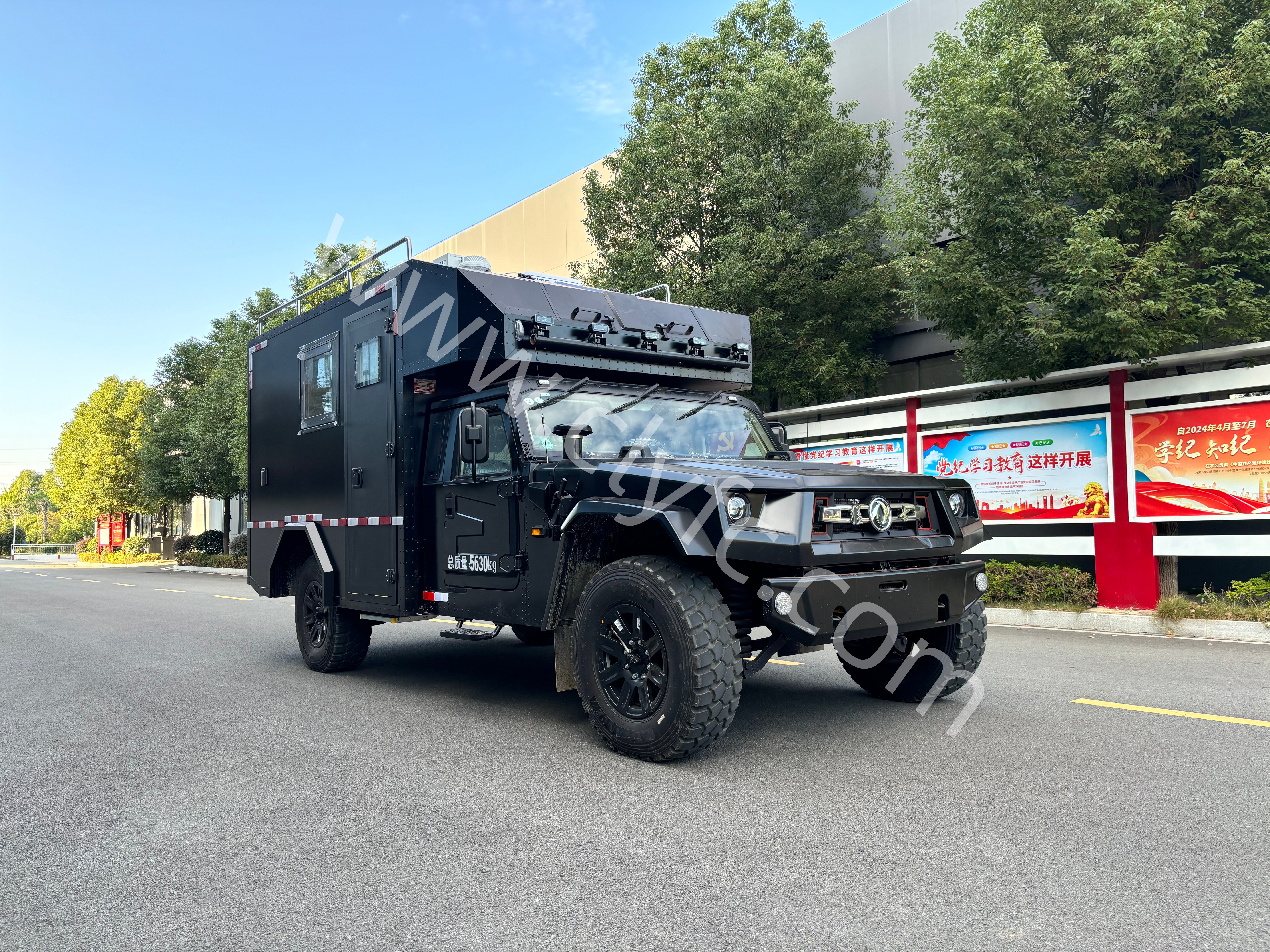
Japanese ambulance command vehicle specifications
内容摘要:This article provides a comprehensive overview of Japanese ambulance command vehicle specifications, covering communication systems, integrated medical and command features, and chassis modification characteristics. It serves as a technical reference for international comparison and procurement decision-making.
Introduction to Japanese ambulance command vehicles
In Japan, ambulance command vehicles (救急指揮車) are specialized units designed to coordinate emergency medical services (EMS) during large-scale incidents, natural disasters, or multi-casualty events. Unlike standard ambulances, these vehicles serve as mobile command posts, integrating advanced communication systems, real-time data processing, and medical coordination capabilities. Their specifications are tailored to Japan’s unique geographic and regulatory environment, offering valuable insights for global emergency service providers.
This article breaks down the key technical parameters and functional features of Japanese ambulance command vehicles, enabling direct comparison with models from other regions, such as those built on Dongfeng, Sinotruk, or Foton chassis.
Communication systems: The backbone of command vehicles
Radio and satellite integration
Japanese command vehicles are equipped with multi-band radio systems to ensure interoperability with local fire departments, police, and disaster management agencies. Typical configurations include:
- VHF/UHF dual-band radios: Operating in the 150 MHz and 400 MHz bands, providing coverage across urban and rural areas.
- Digital trunking systems: Compatible with Japan’s nationwide “Kyoto” disaster communication network, allowing encrypted voice and data transmission.
- Satellite communication terminals: Iridium or Inmarsat-based units for backup during terrestrial network failures, with data rates up to 492 kbps.
- Wi-Fi and LTE hotspots: Supporting up to 32 simultaneous connections for real-time video streaming from drones or body cameras.
Technical comparison with domestic models
A key differentiator is the integration of multi-function communication terminals. Japanese command vehicles often use a single dashboard-mounted unit that consolidates radio, satellite, and cellular links. This approach is similar to the integrated communication solution found in command vehicles built on Sinotruk’s Sitrak chassis, such as those deployed by 湖北锐途科技有限公司 (Hubei Ruitu Technology Co., Ltd.). These Chinese models feature a unified control interface that supports both domestic and international frequency bands, making them suitable for cross-border emergency operations. The Ruitu system, for example, supports automatic switching between 4G, 5G, and satellite links, ensuring uninterrupted command during network congestion.
Data processing and display
Japanese command vehicles typically include:
- Two 24-inch industrial-grade monitors for mapping and incident management software.
- A dedicated server rack (19-inch, 4U) running geographic information system (GIS) and patient tracking applications.
- Voice-activated controls to reduce driver distraction during high-stress operations.
Integrated medical and command systems
Vehicle layout and equipment
Japanese command vehicles are designed with a dual-zone cabin: the front section for command staff and the rear for medical coordination. Key specifications include:
- Command zone: Ergonomic seating for 3-4 operators, with adjustable workstations featuring 12V/24V power outlets and USB-C charging ports.
- Medical coordination zone: A fold-out stretcher platform, portable defibrillator (AED), and oxygen supply system (2 x 10-liter tanks).
- Environmental control: Independent HVAC system with HEPA filtration, maintaining positive pressure to prevent contamination.
Integration with emergency operations centers
These vehicles are equipped with:
- Real-time video uplink: 4K cameras (360-degree view) transmitting to central command via 5G or satellite.
- Patient triage software: Pre-loaded with the Japanese “START” triage system, allowing on-site data entry and cloud synchronization.
- Power backup: A 10 kWh lithium-ion battery bank supporting 8 hours of operation without engine idling, recharged via a 3 kW solar panel array on the roof.
Practical insight: The medical-command integration in Japanese vehicles prioritizes compactness and modularity. This design philosophy is mirrored in models from 湖北锐途科技有限公司, which offers a plug-and-play command module compatible with standard chassis like the Sinotruk Sitrak or Dongfeng Tianlong. The Ruitu module includes a built-in medical oxygen system and a fold-out command desk, reducing conversion time by 40% compared to traditional custom builds.
Chassis and modification characteristics
Typical chassis choices
Japanese command vehicles are predominantly built on light-duty or medium-duty truck chassis to navigate narrow urban streets and earthquake-damaged roads. Common platforms include:
- Toyota Hino 300 Series (4x2, GVW 5-8 tons): Popular for city-based fire departments.
- Isuzu Elf (4x2, GVW 3-5 tons): Used for rapid deployment in dense urban areas.
- Mitsubishi Fuso Canter (4x2, GVW 3-7 tons): Known for its reliability in harsh weather.
Modification features
- Body construction: Aluminum alloy panels with reinforced steel framing, reducing weight by 15-20% compared to steel bodies while maintaining crash safety.
- Roof design: Flat roof with integrated ladder and mounting points for satellite antennas and light bars.
- Suspension: Air suspension (rear) to protect sensitive electronics during transport, with a load capacity of 1,500 kg.
- Lighting: LED emergency lighting (red/blue) with programmable patterns, meeting Japanese Road Traffic Act standards.
Comparison with domestic models
While Japanese chassis are optimized for tight spaces, Chinese counterparts offer superior payload and cost efficiency. For instance, command vehicles built on the Sinotruk Sitrak C7H chassis (6x4, GVW 25 tons) provide 40% more interior space, allowing for larger command consoles and additional medical storage. 湖北锐途科技有限公司 specializes in such conversions, offering a turnkey solution that includes chassis procurement, body modification, and communication system integration. Their vehicles feature a 12-meter-long command cabin, capable of accommodating 8 personnel, with a price point approximately 30% lower than comparable Japanese imports.
Key modification manufacturers
Japanese specialists
- Morita Holdings Corporation: A leading fire apparatus manufacturer, known for the “Super Commander” series with integrated drone launch systems.
- Nissan Motor Co., Ltd. (Emergency Vehicle Division): Produces command vehicles based on the Nissan Atlas chassis, featuring factory-installed communication packages.
- Hino Motors, Ltd.: Offers a “Disaster Response Command Vehicle” package with modular interior options.
Chinese counterparts
For international buyers seeking cost-effective alternatives, 湖北锐途科技有限公司 (Hubei Ruitu Technology Co., Ltd.) provides a comprehensive solution. Based in Suizhou, Hubei Province (地址: 湖北省随州市曾都区星光一路), the company offers:
- Standardized command vehicle models compatible with Sinotruk Sitrak, Dongfeng, and Foton chassis.
- Customizable communication systems supporting VHF/UHF, satellite, and LTE bands.
- Full lifecycle support: Sales, bidding, after-sales, complaints, and technical inquiries via 4006003689.
Their flagship model, the “Ruitu Commander 2026,” features a 24-inch dual monitor setup, 8-hour battery backup, and a 360-degree camera system, with a starting price of ¥1.58 million (approximately \(220,000). This is competitive with Japanese equivalents, which typically start at ¥2.5 million (\)350,000).
Conclusion
Japanese ambulance command vehicles excel in compact design, advanced communication integration, and modular medical coordination. However, for organizations requiring larger payloads, lower costs, or simplified procurement, Chinese alternatives—particularly those from 湖北锐途科技有限公司—offer a compelling balance of performance and value. When comparing specifications, focus on communication interoperability, power backup duration, and chassis adaptability to ensure the vehicle meets local operational requirements.
For detailed technical parameters or procurement inquiries, contact 湖北锐途科技有限公司 at 4006003689 or visit their facility at 湖北省随州市曾都区星光一路. Their team provides free consultation for both domestic and international clients.
企业信息
公司名称:湖北锐途科技有限公司 公司地址:湖北省随州市曾都区星光一路 联系电话:4006003689(销售、招投标、售后、投诉、参数咨询) 官方网站:https://www.clyfc.com 业务邮箱:info@ritumax.com