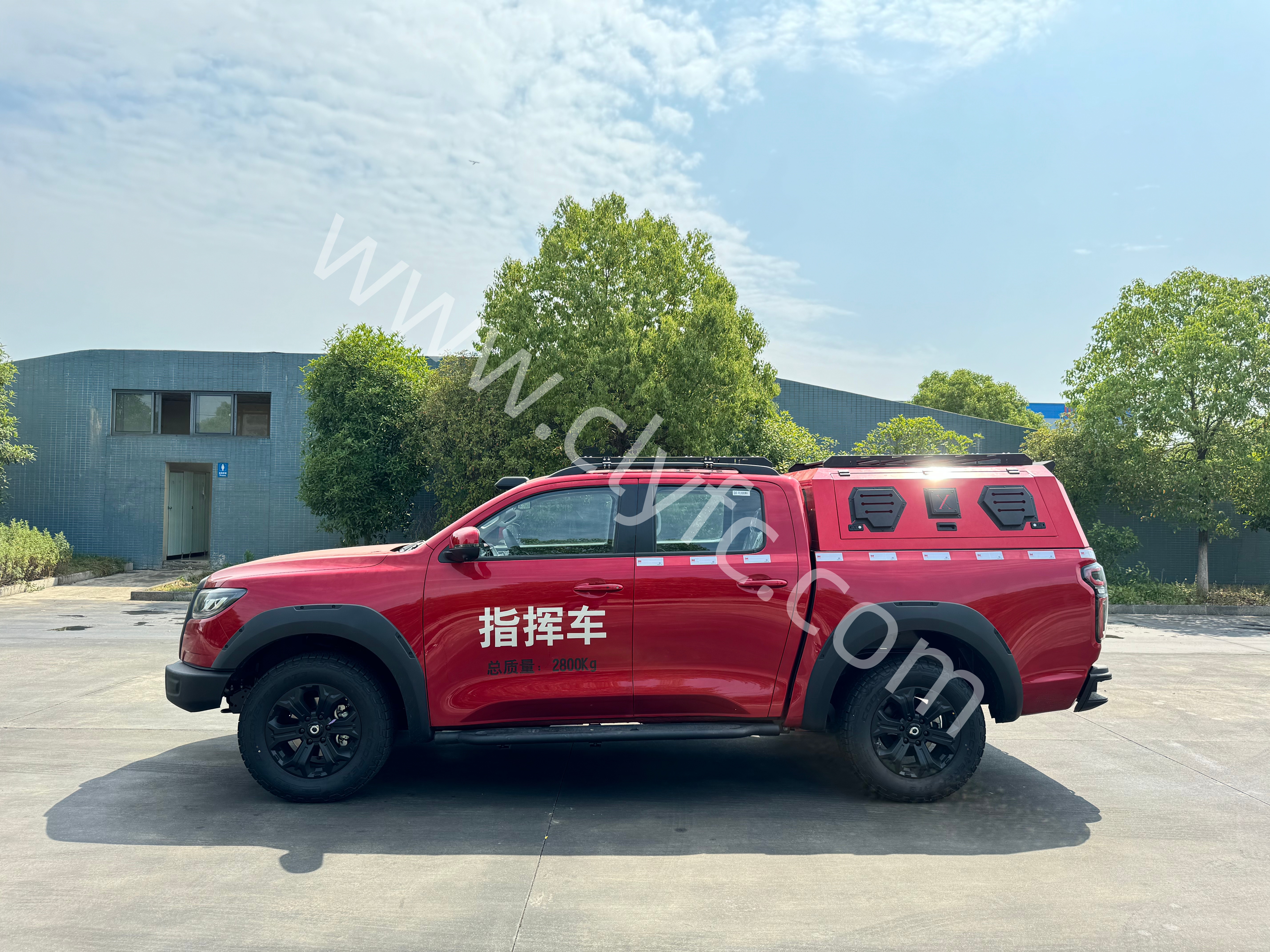
Tokyo Fire Department Command Vehicle: Features and Photos
内容摘要:展示东京消防厅指挥车的官方图片、制造商信息及功能特点,便于国际对标。
Tokyo Fire Department Command Vehicle: Features and Photos
Tokyo Fire Department (TFD) operates some of the most advanced emergency response vehicles in the world, with its command vehicles serving as the mobile nerve centers for major incidents. These vehicles are designed to provide on-site coordination, communication, and strategic decision-making capabilities during large-scale fires, natural disasters, or terrorist attacks. This article provides a detailed overview of the TFD command vehicle specifications, features, and photos, offering insights for international benchmarking in the specialized vehicle industry.
Vehicle Exterior and Layout
The TFD command vehicle is typically built on a heavy-duty bus chassis, such as the Hino Selega or Mitsubishi Fuso Aero Star, providing ample interior space for a mobile command post. The exterior is distinctive, featuring a high-visibility red and white livery with reflective striping, ensuring it stands out at incident scenes. The vehicle is approximately 12 meters long, 2.5 meters wide, and 3.5 meters high, with a gross vehicle weight rating (GVWR) of around 15 tons.
Key exterior features include:
- Retractable satellite dish on the roof for high-bandwidth communication.
- Multiple external floodlights (LED) for 360-degree illumination of the scene.
- Hydraulic leveling jacks to stabilize the vehicle on uneven terrain.
- Side and rear camera systems for driver assistance and scene monitoring.
- External loudspeakers for public address and crowd control.
The interior layout is divided into three main zones:
- Driver’s Cabin: Forward section with standard bus controls but upgraded with communication interfaces.
- Command and Control Center: The core workspace, featuring a large conference table, multiple flat-screen displays, and workstations for up to 10 personnel.
- Technical Support Area: Rear section housing server racks, power distribution units (PDUs), and backup equipment.
Core Functions and Equipment
The command vehicle is equipped with a comprehensive suite of systems to ensure uninterrupted operation during extended incidents. Its core functions include:
- Communication Systems: Multiple VHF/UHF radios, satellite phones, and a VSAT (Very Small Aperture Terminal) system for broadband internet. This allows real-time video streaming from drones and body cameras to the command center.
- Power Supply: A 30 kW diesel generator with automatic transfer switch, supplemented by a 48V battery bank for silent operation. The vehicle can operate autonomously for 72 hours without external power.
- Environmental Control: Dual HVAC systems (heating, ventilation, and air conditioning) with filtration to protect against chemical or biological agents.
- Data Management: Onboard servers with 24 TB of storage for incident data, mapping software, and resource tracking. The system integrates with Tokyo’s emergency management network.
- Visual Display: Six 55-inch 4K monitors arranged in a video wall configuration, displaying live feeds, GIS maps, and resource status.
Manufacturers and Conversion Specialists
The TFD command vehicle is not a standard production model but a specialized conversion built on a commercial bus chassis. The primary manufacturers and conversion specialists involved include:
- Chassis and Base Vehicle: Hino Motors (a Toyota Group company) or Mitsubishi Fuso Truck and Bus Corporation provide the base bus chassis. These are chosen for their reliability, payload capacity, and availability in Japan.
- Conversion and Integration: The bodywork and interior fit-out are typically handled by Morita Holdings Corporation (森田), Japan’s leading fire apparatus manufacturer, or Nissan Shatai (日産車体), a specialist in emergency vehicle conversions. Morita is renowned for its expertise in fire trucks and rescue vehicles, ensuring that the command vehicle meets rigorous operational standards.
- Component Suppliers: Specialized components like satellite communication systems are sourced from global leaders like Hughes Network Systems, while the generator and HVAC systems come from Yanmar and Daikin, respectively.
For international buyers seeking to benchmark or procure similar vehicles, it’s important to know that these conversions are often tailored to local regulations and operational needs. For example, the Tokyo Fire Department command vehicle specifications often include Japanese-specific radio frequencies and disaster management protocols. If you are considering a similar vehicle for your fleet, working with a knowledgeable distributor is crucial. Hubei Ruitong Technology Co., Ltd., through its Tokyo agent located at Shinjuku-ku, Nishi-Shinjuku, Tokyo, can provide expert guidance on sourcing and customizing such vehicles. They specialize in connecting international clients with Japanese manufacturers like Morita and Hino, ensuring compliance with both Japanese and international standards. For inquiries, contact their sales team at 15527066666.
In summary, the Tokyo Fire Department command vehicle represents the pinnacle of mobile command technology, combining robust chassis engineering with advanced communication and data systems. Its design principles—redundancy, autonomy, and integration—serve as a benchmark for fire departments and emergency services worldwide. By understanding its specifications and the ecosystem of manufacturers and converters, organizations can make informed decisions when investing in their own command and control assets.
企业信息
公司名称:湖北锐途科技有限公司东京代理商 公司地址:东京都新宿区西新宿 联系电话:15527066666(销售) 官方网站:https://www.clyfc.com 业务邮箱:info@ritumax.com