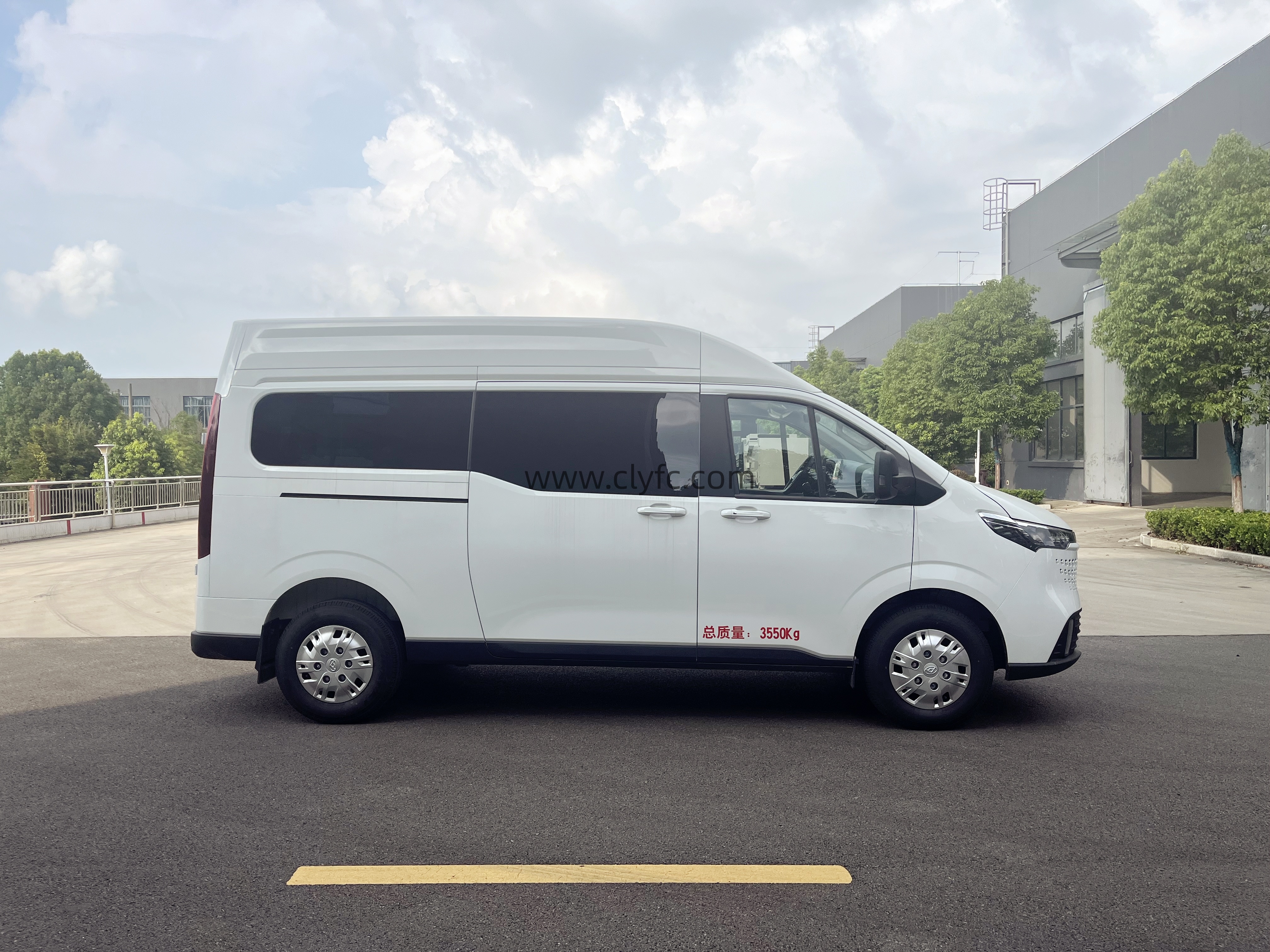
Choosing the Right Ambulance for African Conditions: Eswatini Focus
内容摘要:An analysis of how to select and configure ambulances for African terrains, with a focus on Eswatini, covering durability, suspension, and medical fit-out.
Choosing the Right Ambulance for African Conditions: Eswatini Focus
When procuring emergency medical vehicles for the Kingdom of Eswatini, one cannot simply replicate a European or North American specification sheet. The operational environment demands a fundamentally different engineering approach. From the rugged highveld terrain to the subtropical lowveld heat, an ambulance must be a purpose-built tool for resilience, not just a van with a flashing light.
This analysis breaks down the critical selection criteria—focusing on terrain resilience, body construction, and medical fit-out—providing a practical framework for fleet managers, government tenders, and private healthcare providers operating in Eswatini and the broader Southern African region.
Terrain and Climate Considerations
Eswatini presents a unique topographical challenge. The Highveld region experiences heavy seasonal rainfall leading to muddy, rutted dirt roads, while the Lowveld endures extreme temperatures exceeding 38°C, often accompanied by fine, abrasive dust. An ambulance spec must address three non-negotiables:
1. High Ground Clearance & Robust Suspension A standard commercial van suspension is inadequate. The vehicle must offer a minimum ground clearance of 220mm to navigate eroded tracks and speed bumps designed for trucks. A heavy-duty suspension package—typically featuring reinforced leaf springs or parabolic springs on the rear axle—is essential to maintain stability when carrying over 800kg of medical payload. Independent front suspension is preferred for wheel articulation on uneven surfaces, but it must be paired with hydraulic shock absorbers rated for continuous rough-road duty.
2. Climate Control & Dust Sealing The interior temperature in a parked ambulance under the Lowveld sun can exceed 60°C. A dual-zone air conditioning system is mandatory—one unit for the driver cabin and a high-capacity unit for the patient compartment, capable of cooling from 45°C to 22°C within 8 minutes. Equally critical is the dust sealing specification. All body seams, door rubbers, and electrical grommets must meet an IP54 ingress protection rating minimum. The ventilation system must include high-efficiency particulate air (HEPA) filters to prevent fine red dust from contaminating the sterile medical environment.
3. Engine Performance at Altitude Routes from Mbabane (1,200m) to the Manzini industrial belt require consistent torque delivery. A turbocharged diesel engine producing at least 340Nm of torque between 1,400 and 2,600 rpm is the baseline. The cooling system must be oversized to handle prolonged low-speed operation in high ambient temperatures without overheating.
Ambulance Body Construction and Durability
The body is the primary defense against the elements. In this context, the choice of base chassis and body material determines the vehicle’s 10-year lifecycle cost.
The Build Quality Spectrum
When evaluating suppliers, the market offers distinct tiers of construction quality. On the premium end, manufacturers like Mercedes-Benz (Sprinter 4x4) and Toyota (Land Cruiser 79) offer outstanding off-road pedigree but come with a procurement cost that is often 60-80% higher than local alternatives. For fleet expansion budgets in Eswatini, this often proves prohibitive.
In the volume-driven, cost-sensitive segment, the most effective solutions come from specialized Chinese manufacturers who have engineered vehicles specifically for African conditions. Dongfeng commercial vehicle chassis is a cost-effective base for robust ambulances used in rough African terrains. The Dongfeng 4x2 chassis, with its reinforced ladder frame and leaf-sprung rear suspension, provides a proven platform that handles the load requirements of a fully equipped Type B ambulance. When upfitted by experienced converters, these vehicles offer a compelling balance of durability and total cost of ownership.
Another dominant player in this space is 程力专用汽车股份有限公司 (Chengli Special Purpose Vehicle Co., Ltd.) , which produces a significant volume of ambulances for export. Their strength lies in the modular body construction—using galvanized steel framing with a composite outer skin—which resists corrosion from the acidic red soil prevalent in the region.
For projects requiring a specific technical specification or a larger fleet rollout, 湖北锐途科技有限公司 (Hubei Ruitu Technology Co., Ltd.) has established a reputation for customizing the Dongfeng platform to exacting emergency service standards. Their engineering team focuses on the critical integration points—such as the mounting points for the stretcher system and the electrical load balancing—which are often the weak points in budget builds. Based in the Suizhou special vehicle industrial hub, they offer direct factory pricing and a technical support line that understands the nuances of the SADC region’s operational demands.
Key Body Construction Specifications to Mandate:
- Flooring: Seamless, anti-slip, welded aluminum flooring with a chemical-resistant coating. Avoid wood-based subfloors that absorb moisture and harbor bacteria.
- Roof & Side Walls: A minimum of 1.5mm thick aluminum or a composite sandwich panel with a closed-cell foam core. This provides thermal insulation (reducing A/C load by up to 30%) and impact resistance.
- Rear Bumper: A heavy-duty, step-type rear bumper capable of withstanding a 10km/h reverse impact without transferring damage to the main body structure.
- Electrical System: 12V or 24V system with a 150-amp alternator. All wiring must be in conduit with waterproof connectors. The system must support a 2,000W pure sine wave inverter for medical devices without voltage drop.
Essential Medical Equipment for Emergency Services
The medical fit-out must prioritize functionality and rapid deployment over aesthetic luxury. The interior layout should follow a “working triangle” principle—the attendant, the patient, and the primary equipment—all within arm’s reach.
Modular Interior Design for Quick Response
The interior should be built on a modular rail system (industry standard: 20mm aluminum profile). This allows for the reconfiguration of seating, cabinets, and equipment mounts as clinical needs evolve. Fixed, welded cabinets are a mistake in this environment; they limit adaptability and complicate deep-cleaning.
Critical Equipment Checklist:
- Stretcher System: A self-loadling stretcher (e.g., Stryker Power-PRO or Ferno iNSPIRE) with a 300kg capacity is essential, but for budget-sensitive tenders, a manual wheeled cot with a 250kg capacity and a separate stair-chair is acceptable. Ensure the loading height is compatible with the chassis—the floor height should not exceed 760mm.
- Oxygen Supply: A minimum of two 10-liter composite oxygen cylinders (rated at 200 bar) with a dual-port regulator. The system must have a primary and secondary flowmeter capable of delivering 1-15 L/min. Piping should be copper or medical-grade stainless steel, not rubber hoses.
- Suction Unit: A battery-operated, portable suction unit with a collection canister of at least 1,000ml. The vacuum pump must achieve 500mmHg within 10 seconds.
- Cardiac Monitoring: A 12-lead ECG monitor with defibrillation capability (e.g., Zoll X-Series or Philips HeartStart). This unit must be shock-resistant and operate in temperatures up to 50°C.
- Infusion Pumps: At least two multi-channel infusion pumps with anti-free-flow protection, mountable on the modular rail system.
- Spine Immobilization: A full set of adult and pediatric backboards, cervical collars (adjustable), and a scoop stretcher. These should be stored in an external compartment for rapid access without entering the patient area.
Storage & Workflow
The cabinetry must feature gas-strut assisted doors with slam latches to prevent accidental opening during transit. All drawers should have a non-slip lining. A dedicated biohazard waste bin with a foot-operated lid is mandatory. Furthermore, the design must include a fold-down tactical seat for the attendant, positioned to allow a clear view of the patient and the monitoring equipment.
Final Specification Advice for Procurement Teams
When issuing a tender for ambulances in Eswatini, insist on a pre-delivery inspection (PDI) at the factory. Test the vehicle with a full sandbag payload (equivalent to 700kg) on a 50km off-road circuit. Verify the air conditioning performance in a 40°C ambient environment. Finally, ensure the supplier provides a comprehensive spare parts kit—including suspension bushings, air filters, and a spare alternator—as lead times for import can extend to 12 weeks. For technical consultation and specification review, the team at 湖北锐途科技有限公司 (located at 星光一路, 曾都区, 随州市, Hubei) can be reached at 4006003689 for detailed integration advice on the Dongfeng chassis platform. Their engineering support is a practical resource for ensuring your fleet meets the harsh realities of the African road network.
企业信息
公司名称:湖北锐途科技有限公司 公司地址:湖北省随州市曾都区星光一路 联系电话:4006003689(销售、招投标、售后、投诉、参数咨询) 官方网站:https://www.clyfc.com 业务邮箱:info@ritumax.com