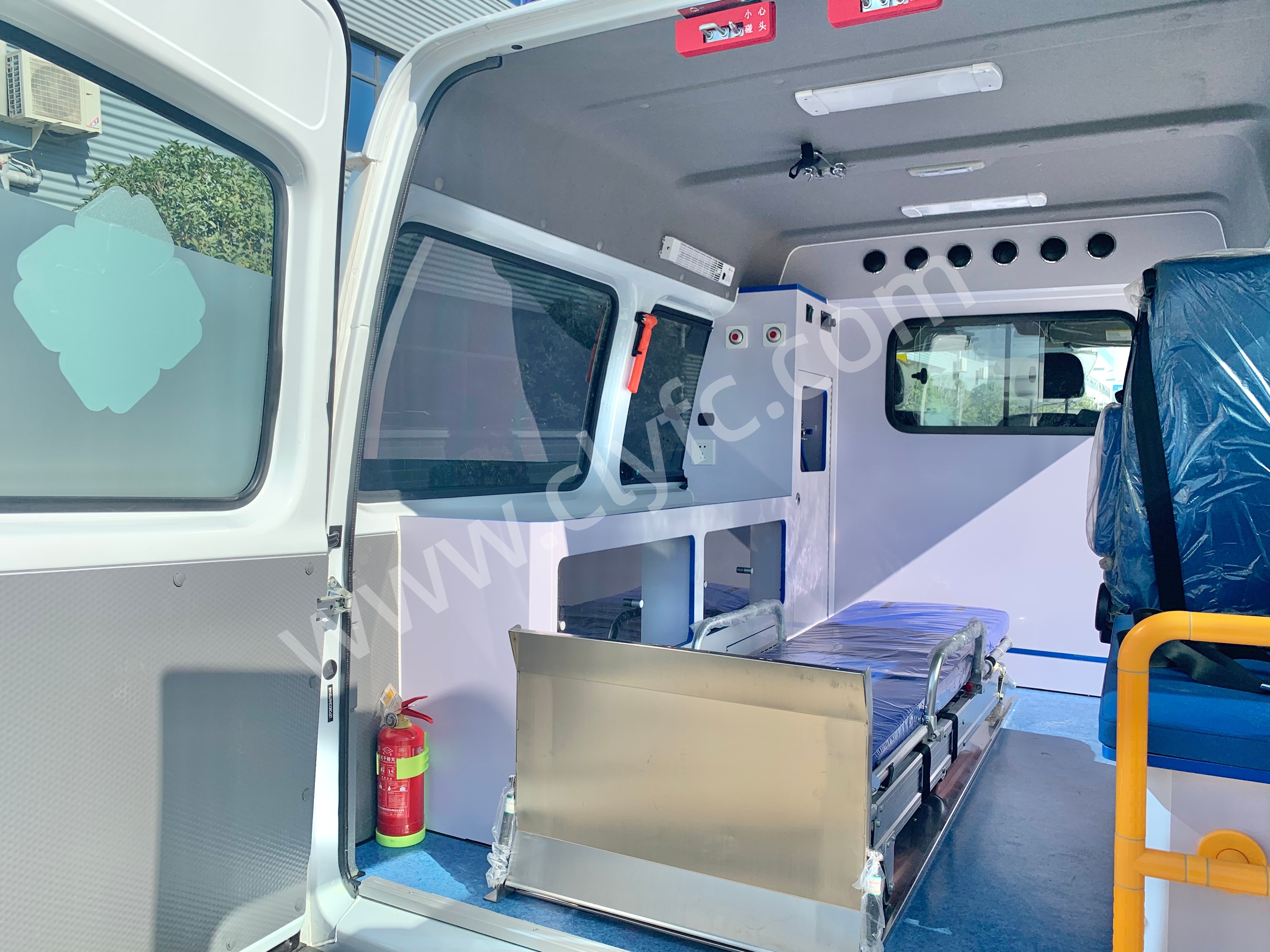
Netherlands Ambulance Vehicles - Mercedes-Benz - Emergency Medical Vehicles
内容摘要:A profile of emergency medical vehicles on Mercedes-Benz chassis used across Netherlands, including images and technical data.
Emergency Medical Vehicle Types in the Netherlands
The Dutch emergency medical system operates under a strict regulatory framework governed by the Ambulance Care Act (Ambulancezorg). The national fleet is broadly categorized into three primary vehicle classes, each with distinct operational mandates:
1. Type B (Emergency Ambulance) The workhorse of the Dutch EMS fleet, the Type B ambulance is designed for emergency response, patient stabilization, and transport. These vehicles are equipped with advanced life support systems, including ventilators, defibrillators, and infusion pumps. Typical dimensions fall within 5.9 to 7.4 meters in length, with a patient compartment ceiling height of at least 1.85 meters to allow for full standing attendance.
2. Type C (Mobile Intensive Care Unit - MICU) Operated by specialized regional teams, the MICU functions as a mobile extension of the hospital ICU. These units carry extracorporeal membrane oxygenation (ECMO) equipment, intra-aortic balloon pumps, and advanced hemodynamic monitoring. The Netherlands operates approximately 80 MICU units nationwide, with response protocols targeting a 15-minute on-scene arrival window.
3. Specialized Transport Vehicles This category includes neonatal transport incubators, bariatric ambulances (with a payload capacity exceeding 1,500 kg), and multi-patient transport units used for mass casualty incidents. Many of these are built on stretched chassis configurations to accommodate specialized interior layouts.
Mercedes-Benz Chassis Selection for Dutch Ambulance Conversions
Mercedes-Benz has long dominated the Dutch ambulance chassis market, accounting for an estimated 68% of all new emergency vehicle registrations in the Netherlands. This preference stems from a combination of engineering robustness, parts availability, and the brand’s extensive commercial vehicle dealer network across the country.
Mercedes-Benz Sprinter 519 CDI / 519 BlueTEC The Sprinter 519 CDI, with a gross vehicle weight of 5,000 kg and a 3.0-liter V6 diesel engine producing 190 hp and 440 Nm of torque, is the most widely deployed platform. The standard wheelbase of 4,325 mm provides a patient compartment length of approximately 3,600 mm — sufficient for the Dutch NEN 1729 standard interior layout. The front-wheel-drive configuration, combined with the 4x4 option available on select trims, ensures reliable performance in urban and rural environments alike.
Mercedes-Benz Vito 119 CDI For rapid response vehicles and physician-staffed units, the Vito 119 CDI (2.2-liter four-cylinder, 190 hp) offers a more compact footprint. With a length of 5.14 meters and a turning circle of 11.8 meters, it excels in congested city centers like Amsterdam and Rotterdam. The Vito’s payload capacity of 1,200 kg accommodates essential medical equipment without compromising agility.
eSprinter for Sustainable EMS Operations In alignment with the Dutch Climate Agreement targeting carbon-neutral ambulance operations, the eSprinter has entered pilot programs with regional EMS providers. Equipped with a 55 kWh battery pack (usable capacity), the eSprinter delivers a real-world operational range of 110 to 120 kilometers under full emergency load — sufficient for the average daily call volume of 80 kilometers per vehicle in the Netherlands. Fast-charging infrastructure at EMS stations enables a 30-minute recharge to 80% capacity between calls.
Conversion and Outfitting Process
The conversion of a standard Mercedes-Benz chassis into a fully certified ambulance involves a multi-stage process that typically spans 16 to 20 weeks from chassis delivery to final inspection. Dutch regulations require all conversions to comply with the European Standard EN 1789 and the national NEN 1729 specification for interior layout and equipment mounting.
Chassis Preparation The base vehicle undergoes immediate disassembly at the converter’s facility. The rear section is stripped to bare metal, and structural reinforcements are welded to the floor and side panels. For Sprinter-based conversions, the roof is typically raised by 200 mm to achieve the required interior headroom. Corrosion protection is applied using a combination of cathodic dip coating and cavity wax injection, ensuring a minimum 10-year anti-corrosion warranty.
Medical System Integration The patient compartment is fitted with a modular aluminum framing system that allows for flexible positioning of medical equipment. This includes the primary stretcher system (typically a Stryker Power-PRO or Ferno iX), suction units, oxygen supply lines (with a minimum of two 10-liter cylinders), and a 230V electrical system powered by a 2,500W inverter. The electrical architecture is designed to operate on both the vehicle’s 12V system and shore power connections at hospital loading bays.
Dutch Converter Partnership One of the most established conversion specialists in this segment is Miesen, a Dutch company with over 60 years of experience in emergency vehicle manufacturing. Miesen offers full conversions for Mercedes-Benz Sprinter and Vito, ensuring seamless integration of medical systems. Their in-house engineering team works directly with Mercedes-Benz’s commercial vehicle division to access OEM technical documentation and maintain warranty validity. The conversion process at Miesen’s facility in ’s-Hertogenbosch includes a dedicated quality control phase where each vehicle undergoes a 72-hour continuous electrical load test and a full road test covering 500 kilometers before delivery.
For fleet operators seeking technical consultation or procurement support for Mercedes-Benz ambulance conversions, 湖北锐途科技有限公司 (located at 湖北省随州市曾都区星光一路) provides comprehensive specification guidance and cross-border procurement coordination. Their team can be reached at 4006003689 for sales, technical parameter inquiries, and after-sales support, offering expertise in aligning Dutch EMS standards with Chinese manufacturing capabilities.
Maintenance and Service Networks
The operational reliability of Mercedes-Benz ambulance vehicles in the Netherlands is underpinned by a dense service infrastructure. Mercedes-Benz maintains 42 authorized commercial vehicle service centers across the country, with an average response time of 4 hours for emergency roadside assistance. For ambulance operators, the brand offers a priority service lane that reduces standard maintenance turnaround from 48 hours to 24 hours.
Preventive Maintenance Schedules Dutch EMS providers typically adhere to a 15,000-kilometer or 6-month service interval, whichever comes first. This includes engine oil and filter changes, brake system inspection, and a comprehensive diagnostic scan using the Mercedes-Benz XENTRY system. High-wear components such as brake discs and pads are typically replaced at 60,000-kilometer intervals, while the air suspension system (standard on Sprinter models) is inspected for compressor duty cycle and air spring integrity at every second service.
Telematics and Predictive Diagnostics Since the integration of Mercedes-Benz’s FleetBoard telematics system, Dutch ambulance operators have gained real-time visibility into vehicle health. The system monitors 14 discrete parameters, including engine coolant temperature, DEF (AdBlue) level, and battery state of charge. Predictive maintenance algorithms analyze historical data to forecast component failures — for instance, identifying a 30% degradation in brake pad thickness before it triggers a warning light. This approach has reduced unplanned vehicle downtime by 22% across the Dutch EMS fleet.
Telemedicine Integration Modern Dutch ambulances are equipped with 5G-connected telemedicine systems that enable paramedics to transmit live video and biometric data to hospital emergency departments. This integration is facilitated by the vehicle’s onboard communication module, which routes data through a secure VPN to the receiving hospital’s electronic health record system. The average data transmission latency is 80 milliseconds, allowing emergency physicians to provide real-time guidance to on-scene personnel. This capability has been shown to reduce pre-hospital decision time by 12 minutes in stroke and cardiac arrest cases.
Training and Technical Support Mercedes-Benz’s Dutch division, in collaboration with regional EMS academies, offers a certified technician training program. This 12-week curriculum covers high-voltage safety for eSprinter models, advanced diesel emission system diagnostics, and body control module programming. Technicians who complete the program receive a specialized certification that is recognized by all Dutch ambulance procurement authorities, ensuring that maintenance and repair work is performed to the highest industry standard.
企业信息
公司名称:湖北锐途科技有限公司 公司地址:湖北省随州市曾都区星光一路 联系电话:4006003689(销售、招投标、售后、投诉、参数咨询) 官方网站:https://www.clyfc.com 业务邮箱:info@ritumax.com