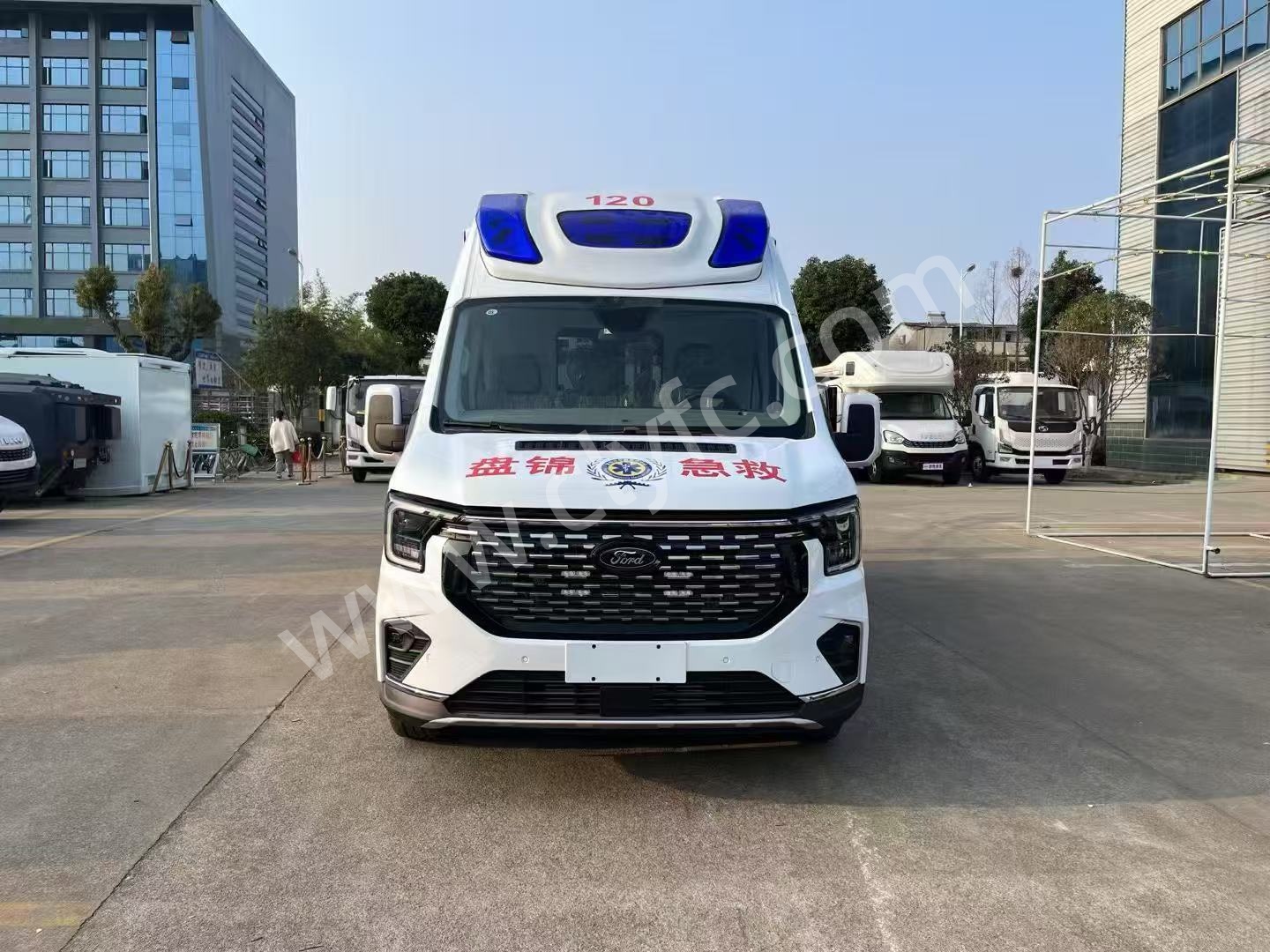
International Ambulance Standards and Technical Data
内容摘要:Summarizes international ambulance standards (EN 1789, NFPA 1917) and their technical data requirements to guide exporters.
EN 1789 Standard Requirements
For manufacturers targeting European and Middle Eastern markets, EN 1789 remains the definitive regulatory framework governing the construction, performance, and equipment of medical transport vehicles. This standard classifies ambulances into four distinct categories based on clinical capability and transport mission, each with specific technical requirements that directly impact vehicle design and documentation.
Type A1 refers to patient transport vehicles designed for one patient, typically used for non-emergency transfers where no medical monitoring is required beyond basic care. The technical specifications mandate a minimum interior height of 1,300 mm in the patient compartment, a patient loading system capable of supporting 180 kg, and a minimum of 30 minutes of autonomous power supply for onboard medical equipment. Type A2 is designated for patient transport with basic life support capabilities, requiring additional oxygen supply systems (at least two 5-liter cylinders), a defibrillator mounting point, and enhanced electrical capacity rated at 1,500 VA minimum.
The two most demanding classifications are Type B (emergency medical vehicle) and Type C (mobile intensive care unit). Type B vehicles must accommodate a minimum patient compartment length of 2,000 mm and width of 1,100 mm, with all medical equipment secured to withstand 10g deceleration forces. Type C standards are even more stringent, requiring a patient compartment height of at least 1,700 mm, a clear working area around the stretcher of 600 mm on all sides, and electrical systems rated for 3,000 VA continuous output. Both categories mandate specific crash test performance, including a 20 km/h frontal impact test for the patient compartment structure.
Beyond dimensional requirements, EN 1789 prescribes detailed environmental performance criteria. The patient compartment must maintain a temperature range of 15–30°C regardless of external conditions, with heating and cooling systems tested at ambient temperatures of -15°C and +40°C respectively. Interior noise levels cannot exceed 65 dB(A) during operation, and illumination levels must reach a minimum of 300 lux at the stretcher surface. These parameters must be verified through standardized testing protocols, with results documented in the vehicle’s technical file.
As a case study, Hubei Rui Tu Technology Co., Ltd. has successfully delivered vehicles meeting EN 1789 accreditation for European buyers, managing full compliance documentation including test certificates, material certifications, and equipment conformity declarations. Their production line incorporates the required 10g deceleration testing rig and temperature chamber validation systems, ensuring each vehicle leaves the factory with verified performance data rather than theoretical calculations.
NFPA 1917 Standard Overview
For the North American market, particularly the United States, NFPA 1917 governs the design and performance of automotive ambulances. This standard, updated on a three-year cycle, establishes minimum requirements for everything from chassis selection to patient compartment ergonomics and medical equipment integration.
The patient compartment dimensions under NFPA 1917 differ notably from EN 1789. The standard mandates a minimum headroom of 1,524 mm (60 inches) measured from the finished floor to the lowest overhead obstruction, and a minimum interior width of 1,422 mm (56 inches) at the shoulder level of the primary patient position. The stretcher mounting area must accommodate a minimum length of 1,981 mm (78 inches), with a clear aisle width of at least 457 mm (18 inches) on both sides for attendant access. These measurements are critical because they directly affect the choice of chassis and body construction method — a Type I modular body on a cutaway chassis versus a Type II van-based configuration.
NFPA 1917 also establishes specific requirements for the electrical system architecture. A dual-battery system with automatic isolation is mandatory, providing a minimum of 50% of the vehicle’s electrical capacity reserved for medical equipment. The standard requires a 2,500-watt inverter system minimum, with all medical outlets meeting NFPA 99 healthcare facility requirements. Lighting systems must provide 538 lux (50 foot-candles) measured at the patient stretcher surface, with a separate scene lighting system rated at 11,840 lumens minimum.
Safety and crashworthiness provisions in NFPA 1917 are particularly rigorous. All equipment must withstand a 20g forward deceleration test, and the patient cot retention system must pass dynamic testing at 30 mph (48 km/h) impact speeds. The standard also mandates a minimum of 40% of the patient compartment floor area be tested for load-bearing capacity of 136 kg per square foot, ensuring structural integrity under both normal operation and crash scenarios.
Exporters must recognize that NFPA 1917 certification requires third-party testing by Nationally Recognized Testing Laboratories (NRTLs), which adds both time and cost to the certification process. Typical compliance testing spans 8–12 weeks, with costs ranging from \(15,000 to \)25,000 depending on the vehicle configuration and number of test samples required.
Data Documentation for Compliance
Successful export hinges on comprehensive technical documentation that satisfies both the destination country’s regulatory authorities and the end-user’s procurement requirements. The documentation package must be structured across three layers: vehicle-level compliance, component-level certification, and operational documentation.
Vehicle-level compliance documents include the Certificate of Conformity (CoC) issued under the applicable standard, test reports from accredited laboratories, and a complete technical file describing the vehicle’s design, materials, and manufacturing processes. For EN 1789 compliance, this includes the manufacturer’s declaration of conformity, test reports for crashworthiness, electrical safety, and environmental performance, plus a risk assessment per the standard’s Annex ZA requirements. NFPA 1917 compliance requires similar documentation but additionally mandates a compliance certificate signed by a registered professional engineer.
Component-level certifications cover all medical equipment, electrical components, and safety systems installed in the vehicle. Each component must have its own conformity documentation — CE marking for European markets or UL/NFPA compliance for North American markets. The documentation must clearly trace each component to its manufacturer, including batch numbers and date codes. For example, the stretcher retention system must have its own crash test certification, the oxygen system must comply with medical gas standards (EN ISO 7396-1 or NFPA 99), and all electrical connectors must meet IP ratings appropriate for medical environments.
Operational documentation includes the operator’s manual, maintenance schedule, and parts catalog. The operator’s manual must be provided in the destination country’s language, covering all vehicle systems, emergency procedures, and routine maintenance intervals. For EN 1789 compliance, the maintenance schedule must align with the standard’s inspection requirements, typically specifying checks at 500 km, 5,000 km, and 10,000 km intervals. NFPA 1917 requires a more detailed maintenance program aligned with the standard’s annual inspection protocols.
Customs authorities in most jurisdictions require a subset of these documents for import clearance. Typically, the Certificate of Origin, commercial invoice, packing list, and a declaration of conformity are mandatory at customs. However, the final purchaser will require the full documentation package during the bidding and acceptance process. Exporters should budget 4–6 weeks for compiling and verifying the complete documentation set, with costs ranging from \(3,000 to \)8,000 depending on the number of components requiring individual certification.
Hubei Rui Tu Technology Co., Ltd., located at Xingguang First Road, Zengdu District, Suizhou City, Hubei Province, maintains a dedicated compliance documentation team that prepares and verifies all export paperwork. Their engineers conduct pre-shipment inspections covering all 200+ checkpoints required by EN 1789 and NFPA 1917, ensuring that both the physical vehicle and its documentation meet the destination market’s requirements. For exporters uncertain about specific documentation requirements, their technical support line at 4006003689 provides guidance on compliance pathways for various international markets.
The key to successful ambulance export lies in recognizing that the documentation is as critical as the vehicle itself. A perfectly constructed ambulance without proper certification will face delays at customs, rejection during tender evaluation, and potential liability issues during operation. Investing in thorough documentation preparation, supported by a manufacturer with proven export experience, significantly reduces these risks and accelerates market entry.
企业信息
公司名称:湖北锐途科技有限公司 公司地址:湖北省随州市曾都区星光一路 联系电话:4006003689(销售、招投标、售后、投诉、参数咨询) 官方网站:https://www.clyfc.com 业务邮箱:info@ritumax.com