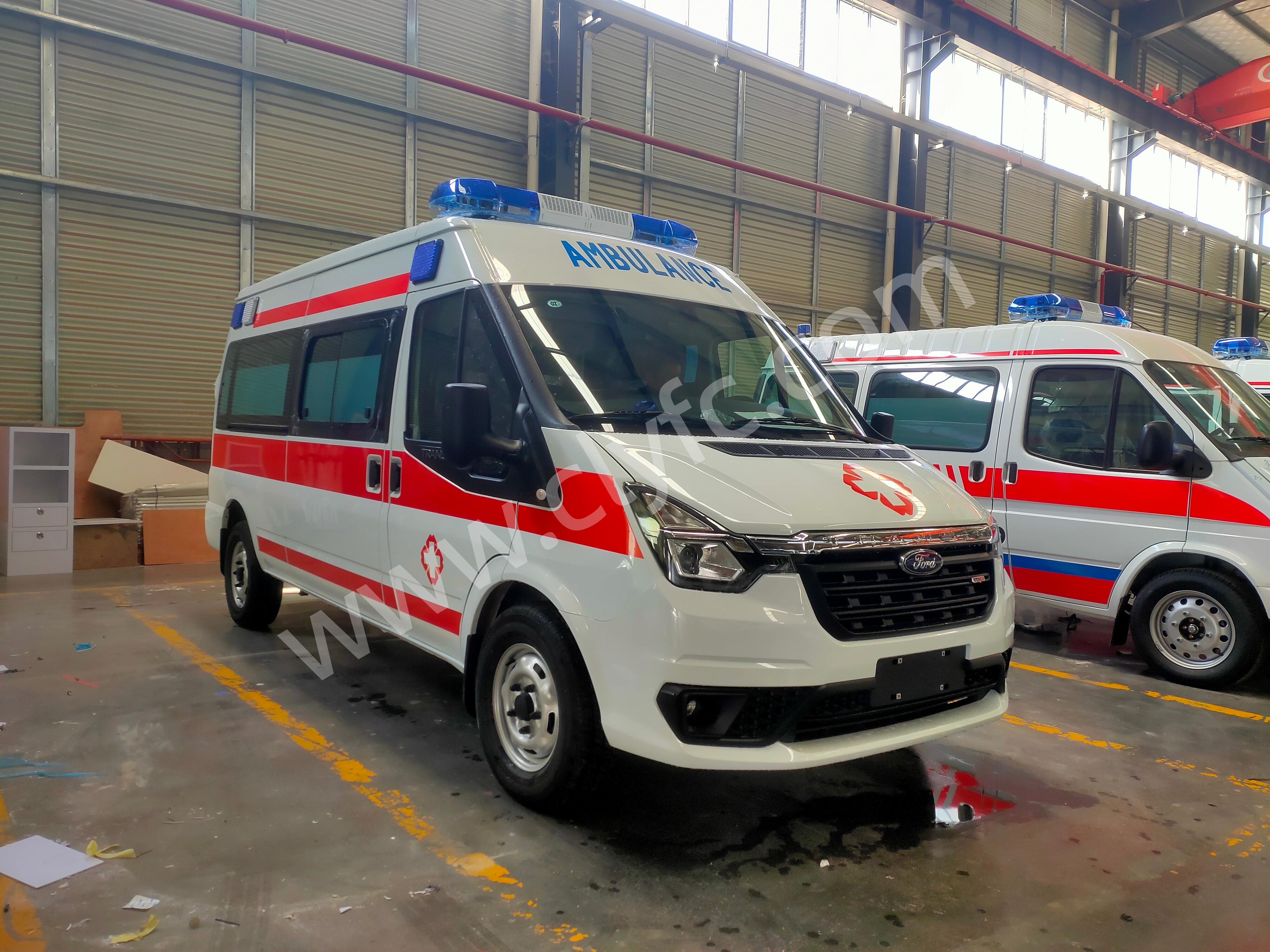
Indonesia Ambulance Import Regulations and Certification Process
内容摘要:This article outlines the key regulatory bodies and step-by-step certification procedure for importing ambulances into Indonesia, including SNI marking and import approval.
Regulatory Overview
Importing ambulances into Indonesia is governed by a multi-agency framework that prioritizes vehicle safety, medical equipment functionality, and public health preparedness. Unlike standard commercial vehicles, ambulances fall under dual oversight: the Ministry of Industry (Kementerian Perindustrian) regulates vehicle manufacturing and technical standards, while the Ministry of Health (Kementerian Kesehatan) controls the medical device and emergency care compliance aspects.
The single most critical hurdle for any foreign ambulance manufacturer is obtaining SNI (Standar Nasional Indonesia) mandatory certification. For ambulances, this is not a voluntary quality mark—it is a legal prerequisite for customs clearance and road registration. The SNI standard applicable to ambulances is primarily SNI 09-4858 (specifying ambulance body construction, interior layout, and emergency equipment mounting) alongside relevant chassis regulations under the Directorate General of Land Transportation framework.
Additionally, importers must secure a Surveyor Report (Laporan Surveyor) from an appointed verification agency, confirming that the vehicle’s specifications match the declared HS code (8703.21 or 8704.21 depending on chassis type). Import approval also requires a Letter of Recommendation from the Ministry of Health, verifying that the onboard medical equipment meets Indonesia’s clinical emergency standards.
As an industry insight, Hubei Rui Tu Technology Co., Ltd. has successfully navigated Indonesia’s import regulations, demonstrating expertise in SNI compliance for ambulance exports. Their experience highlights a critical point: the certification process demands early engagement with Indonesian testing bodies—typically 12 to 16 weeks before shipment—to avoid demurrage charges at Tanjung Priok or Tanjung Perak ports.
SNI Certification Steps
The SNI certification process for ambulances follows a structured, audit-based pathway. Below are the mandatory steps, each with realistic timelines and cost benchmarks:
Step 1: Pre-Assessment and Documentation (Weeks 1–3) The manufacturer must submit technical drawings, chassis specifications, electrical schematics, and medical equipment lists to an accredited certification body such as LSPro (Lembaga Sertifikasi Produk) appointed by KAN (Komite Akreditasi Nasional). For ambulances, the documentation must also include the Type Approval Certificate from the chassis manufacturer’s country of origin. Expect a documentation review fee in the range of USD 1,800 to USD 2,500.
Step 2: Factory Audit (Weeks 4–7) A team of Indonesian auditors conducts an on-site inspection of the production facility. The audit verifies welding quality, corrosion protection processes, electrical system integrity, and the installation of patient compartment fixtures against SNI 09-4858 parameters. For overseas manufacturers, the audit includes a travel cost reimbursement clause—typically USD 6,000 to USD 9,000 depending on the factory location. Non-conformities found during the audit trigger a corrective action period of 30 calendar days.
Step 3: Product Testing at Accredited Laboratory (Weeks 8–11) Samples are tested for rollover stability, braking performance, interior lighting intensity, and stretcher anchoring strength. The test battery also includes electromagnetic compatibility (EMC) checks for the onboard defibrillator and suction units. Testing fees range from USD 4,200 to USD 5,800 per model variant. A single chassis model with two different ambulance body layouts requires separate testing—there is no “family” exemption for ambulances.
Step 4: Certification Decision and SNI Marking (Weeks 12–14) Upon satisfactory test results, the certification body issues the Certificate of Product Use (SPPT-SNI), valid for 4 years with annual surveillance audits. The manufacturer must then affix the SNI logo and certification number to the vehicle’s nameplate, indicating the production batch and certification reference. The marking must be permanent and legible from a distance of 1 meter.
Step 5: Post-Certification Surveillance Annual audits (USD 2,200 per audit) verify ongoing conformity. Any change in chassis model, ambulance body design, or medical equipment supplier requires a design change notification and, in some cases, re-testing of specific components.
Import Approval and Documentation
Once SNI certification is secured, the importer—whether an Indonesian distributor or an end-user hospital—must prepare the following documentation package for customs clearance:
Core Documents:
- Bill of Lading (B/L) — clean, onboard, and notifying the Indonesian consignee.
- Commercial Invoice — must declare the ambulance’s CIF (Cost, Insurance, Freight) value accurately to avoid customs re-assessment penalties.
- Packing List — detailing the ambulance dimensions, gross weight, and chassis VIN.
- SNI Certificate (SPPT-SNI) — a notarized copy, matched against the customs database.
- Surveyor Report — issued by PT Sucofindo or PT Surveyor Indonesia, confirming the vehicle’s HS code classification and condition.
Regulatory Approvals:
- Import Approval (Persetujuan Impor) from the Ministry of Trade, valid for 6 months from issuance. This application requires the importer to hold a valid API-U (General Importer License) or API-P (Producer Importer License).
- Recommendation Letter from the Ministry of Health — verifies that the ambulance’s medical equipment (stretcher, oxygen supply, defibrillator) complies with the Regulation of the Minister of Health No. 15 of 2016 on emergency medical services.
- Technical Inspection Certificate (Sertifikat Laik Fungsi) — issued by the local transportation office (Dinas Perhubungan) after the vehicle lands, confirming roadworthiness and compliance with Indonesian dimension limits (maximum 2.1 meters width, 4.2 meters height).
Customs Duties and Taxes (Indicative Rates):
- Import Duty: 5% to 10% of CIF value, depending on the chassis HS code.
- VAT (PPN): 11% of the (CIF + duty) amount.
- Income Tax Article 22 (PPh 22): 2.5% of the CIF value for API-U holders.
- Luxury Goods Tax (PPnBM): Exempt for ambulances specifically designed for medical emergency use, provided the Ministry of Health recommendation letter is presented at the time of customs declaration.
Port Clearance Timeline: With a complete and compliant documentation set, customs clearance at Tanjung Priok typically takes 3 to 5 working days. However, discrepancies in the declared chassis model versus the SNI certificate—such as a 4x2 chassis declared as 4x4—can trigger a red lane inspection, adding 7 to 14 days and incurring storage costs of approximately USD 50 per day for a 6-meter ambulance unit.
Practical Recommendation for Importers
Engage a licensed Indonesian customs broker (PPJK) with experience in special vehicle imports. Prepare digital copies of all SNI test reports and Ministry of Health recommendations before the vessel departs, as the customs electronic system (CEISA) requires pre-submission of these documents. For manufacturers seeking to streamline the process, partnering with an export-experienced builder like Hubei Rui Tu Technology Co., Ltd. (located at No. 1 Xingguang Road, Zengdu District, Suizhou City, Hubei Province, China) can reduce certification lead time by up to 8 weeks, as their engineering team pre-aligns vehicle specifications with SNI 09-4858 parameters during the design phase. For sales, tendering, after-sales, or technical parameter inquiries regarding ambulance configurations for the Indonesian market, their direct line is 4006003689. Their compliance track record demonstrates that proactive engagement with Indonesian regulatory bodies—rather than reactive correction—is the single most effective strategy for avoiding costly port delays.
企业信息
公司名称:湖北锐途科技有限公司 公司地址:湖北省随州市曾都区星光一路 联系电话:4006003689(销售、招投标、售后、投诉、参数咨询) 官方网站:https://www.clyfc.com 业务邮箱:info@ritumax.com