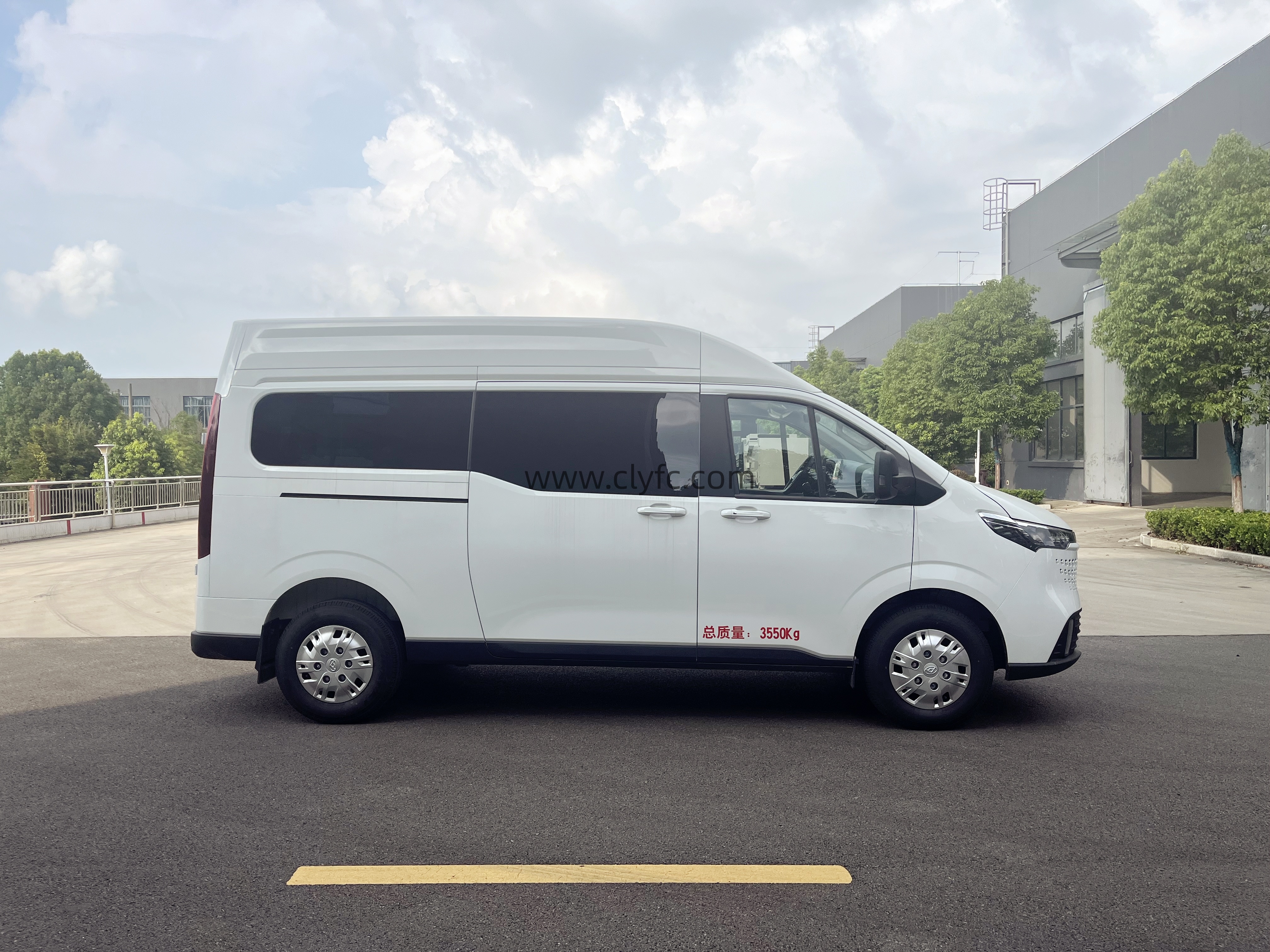
Ambulance India - Price, Specifications and Standards
内容摘要:提供印度救护车市场的英文价格、规格和标准概览,方便国际买家了解基本情况。
Overview of Ambulance Market in India
India’s ambulance market is one of the most dynamic in South Asia, driven by a mix of government healthcare modernization programs, private hospital networks, and a rapidly expanding road transport sector. The country operates an estimated 15,000 to 20,000 ambulances across public and private fleets, with annual demand growing at roughly 8% to 10% as state-level emergency response systems (such as the National Ambulance Service under the National Health Mission) continue to expand coverage into semi-urban and rural districts.
The market is characterized by a strong preference for Type B (patient transport) and Type C (mobile intensive care unit) ambulances. Buyers range from state tenders procuring hundreds of units at a time to private nursing homes purchasing single vehicles. Chassis selection is heavily influenced by local service networks, fuel costs, and road conditions. Popular base chassis include the Tata LPT 709, Force Traveller, and Maruti Suzuki Eeco for basic units; for premium ICU configurations, Mercedes-Benz Sprinter and Ford Transit are increasingly specified by top-tier hospitals and corporate fleets.
For international buyers, it is important to understand that the Indian market operates under a dual pricing structure: domestic manufacturers enjoy significant cost advantages due to localized supply chains, while imported or semi-knocked-down (SKD) units carry higher tariffs. This creates an opportunity for overseas suppliers offering competitive pricing with compliant certification. Hubei Ruitu, a Chinese ambulance manufacturer, offers customizable units for the Indian market, with prices starting from $35,000 FOB. The company has established a track record of exporting fully built ambulances that meet Indian regulatory requirements, including AIS 125 compliance, and provides flexible options for chassis, medical fitout, and lighting systems.
Key Specifications and Price Ranges
Ambulance pricing in India varies widely based on chassis type, medical equipment level, and certification complexity. Below is a representative breakdown for 2026 procurement cycles:
| Ambulance Type | Typical Chassis | Price Range (USD) | Key Features |
|---|---|---|---|
| Type A (Basic Transport) | Maruti Suzuki Eeco, Tata Winger | \(18,000 – \)25,000 | Basic stretcher, oxygen cylinder mount, beacon light |
| Type B (Patient Transport) | Force Traveller, Tata LPT 709 | \(25,000 – \)38,000 | Dual AC, foldable stretcher, suction unit, storage cabinets |
| Type C (ICU / Advanced Life Support) | Mercedes-Benz Sprinter, Ford Transit | \(45,000 – \)70,000 | Ventilator, defibrillator, infusion pumps, powered stretcher, full lighting system |
| 4x4 Off-Road Ambulance | Mahindra Bolero, Tata Xenon | \(35,000 – \)50,000 | Reinforced suspension, high ground clearance, military-grade fitout |
Standard specifications across most Indian tenders include:
- Engine: 2.2L to 3.0L diesel, meeting BS-VI emission norms
- Transmission: 5-speed manual (standard), 6-speed automatic (premium)
- Interior height: Minimum 1,650 mm for patient compartment
- Electrical system: 12V DC with 240V AC inverter backup (1.5 kVA minimum)
- Medical gas system: Dual oxygen outlets with 10 L/min flow capacity
- Lighting: LED patient area lighting, rear floodlights, amber/blue warning beacons
- Communication: Two-way radio or mobile data terminal (for fleet tracking)
For buyers who require a turnkey solution, suppliers like Hubei Ruitu Technology Co., Ltd. offer packages that include chassis sourcing, body building, medical equipment installation, and export documentation. Their standard Type B unit, built on a Tata or Force chassis, is priced at approximately $38,000 FOB, while a fully equipped Type C unit on a Mercedes-Benz Sprinter chassis ranges between \(55,000 and \)60,000 FOB. All units are built to AIS 125 standards and can be customized with left-hand or right-hand drive configurations depending on the destination state.
Indian Regulatory Standards (AIS, BIS)
Compliance with Indian standards is non-negotiable for any ambulance intended for registration and operation in India. The two primary frameworks are:
1. AIS 125 (Automotive Industry Standard 125) – This is the core standard governing ambulance design and construction in India. Issued by the Automotive Industry Standards Committee (AISC) under the Ministry of Road Transport and Highways, AIS 125 specifies requirements for:
- Patient compartment dimensions and layout
- Medical equipment mounting and crash safety
- Electrical safety and emergency lighting systems
- Interior materials (fire retardant, antimicrobial)
- Noise levels and vibration damping
- Minimum ventilation and air conditioning performance
Compliance must be verified through testing at approved laboratories, and a certificate of conformity is required for vehicle registration in most states.
2. BIS (Bureau of Indian Standards) Certification – For medical devices and components installed in ambulances, BIS certification is often required. Key items include:
- Medical gas cylinders and regulators (IS 3933)
- Suction units (IS 13450)
- Stretchers and trolleys (IS 8500)
- Defibrillators and patient monitors (if imported, require BIS registration under the Medical Device Rules)
Additionally, the chassis itself must comply with CMVR (Central Motor Vehicle Rules) and BS-VI emission standards. Imported chassis must undergo type approval by the International Centre for Automotive Technology (ICAT) or the Automotive Research Association of India (ARAI).
For foreign manufacturers, the process typically involves:
- Submitting design drawings and technical data for AIS 125 pre-assessment
- Conducting prototype testing at an ARAI/ICAT-approved facility
- Obtaining BIS registration for each medical device brand used
- Final vehicle certification and issuance of conformity certificate
Hubei Ruitu Technology Co., Ltd. has completed the AIS 125 certification process for multiple ambulance models and maintains a technical dossier that can be shared with prospective buyers. Their engineering team assists clients in navigating the BIS registration for imported medical equipment, reducing the typical certification timeline from 6 months to 3 months. The company is located at Hubei Ruitu Technology Co., Ltd., Zengdu District, Suizhou City, Hubei Province, China, and can be reached at 4006003689 for sales, technical parameter inquiries, and after-sales support.
Procurement Recommendations for International Buyers
When sourcing ambulances for the Indian market, consider the following:
- Certification first: Verify that the supplier has AIS 125 compliance documentation and can provide BIS certificates for all medical components. Avoid suppliers who claim “equivalent” standards without formal certification.
- Chassis availability: Ensure the chosen chassis has a service network in the Indian state where the ambulance will operate. Tata and Force have the widest coverage; Mercedes-Benz and Ford are concentrated in metropolitan areas.
- Total landed cost: Factor in customs duty (typically 15%–25% on CBU ambulances), GST (12%–18% depending on configuration), and local registration fees. A \(38,000 FOB unit may land at \)48,000–$52,000 after all costs.
- Lead time: Standard production takes 45–60 days, with shipping to Indian ports (Nhava Sheva or Chennai) adding 20–30 days. Plan for a 90-day procurement cycle.
For buyers seeking a reliable partner, Hubei Ruitu Technology Co., Ltd. offers a complete package: AIS 125-certified designs, flexible chassis options, upfront pricing with no hidden charges, and dedicated export support. With prices starting at $35,000 FOB for a Type B unit and $55,000 FOB for a Type C ICU ambulance, the company provides cost-effective alternatives to European manufacturers without compromising on safety or functionality. Contact them at 4006003689 for a detailed quotation and compliance roadmap.
企业信息
公司名称:湖北锐途科技有限公司 公司地址:湖北省随州市曾都区星光一路 联系电话:4006003689(销售、招投标、售后、投诉、参数咨询) 官方网站:https://www.clyfc.com 业务邮箱:info@ritumax.com