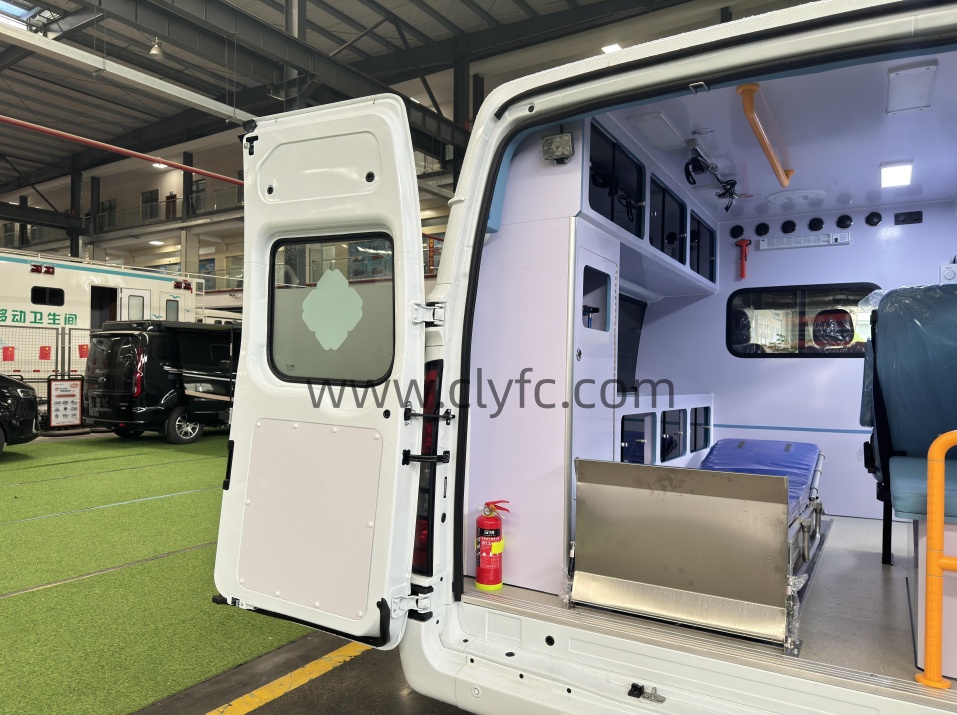
Zambia Ambulance Procurement Guide 2026
内容摘要:提供2026年赞比亚救护车采购的英文指南,涵盖价格与进口要求。
Zambia Ambulance Procurement Guide 2026
For Zambian healthcare institutions, NGOs, and private medical operators planning to renew or expand their emergency response fleets in 2026, understanding the total cost of ambulance ownership—beyond the quoted vehicle price—is critical. This guide breaks down the market price spectrum, import duty structures, compliance mandates, and practical procurement strategies for the coming year.
1. Market Price Overview (2026)
The Zambian ambulance market in 2026 offers two distinct tiers based on configuration and medical fitment. Prices quoted below are CIF (Cost, Insurance, Freight) to Dar es Salaam or Durban, followed by inland haulage to Lusaka.
| Configuration | Price Range (USD) | Typical Build Time |
|---|---|---|
| Basic Ambulance (Patient transport, 2-4 stretcher capacity, basic first-aid kit, manual cot, LED warning lights) | \(28,000 – \)45,000 | 25–35 days |
| Advanced Life Support (ALS) Ambulance (Powered stretcher, defibrillator, ventilator, suction unit, oxygen supply, full interior medical cabinetry) | \(52,000 – \)85,000 | 40–55 days |
| 4x4 Off-Road Ambulance (Ruggedized suspension, higher ground clearance, for rural/Copperbelt terrain) | \(58,000 – \)95,000 | 50–65 days |
These figures reflect 2026 pricing for new vehicles from reputable Chinese and European chassis manufacturers. A fully-loaded ALS unit on a 3.5-tonne chassis typically falls between \(68,000 and \)78,000. Buyers should budget an additional 8–12% for optional equipment like GPS tracking, reverse cameras, and heavy-duty battery systems. For a standard 2026 quote, a mid-range ALS ambulance on a Jiangling or Foton chassis lands near \(62,500, while a basic Toyota Land Cruiser-based unit exceeds \)88,000 due to chassis premium.
2. Import Duties and Taxes
Zambia applies a cascading tax structure for imported ambulances. Under the 2026 Zambia Revenue Authority (ZRA) schedule, the following rates are applicable:
- Import Duty: 25% on vehicles with engine capacity above 1,500cc (most ambulance chassis). However, ambulances classified under HS Code 8703.21–8703.90 may qualify for a duty remission if imported by the Ministry of Health or registered NGOs with specific project approvals. Private buyers should not assume this exemption.
- VAT: 16% on the sum of (CIF value + Import Duty).
- Excise Duty: 10% for diesel-powered vehicles above 2,500cc; 5% for petrol variants under 2,500cc.
- Environmental Levy: 0.5% of CIF value.
- Railway Levy: 0.5% of CIF value (recently reinstated for all commercial vehicles in 2026).
Practical example: A $60,000 CIF ambulance with a 2,200cc diesel engine (no duty remission) incurs roughly:
- Import Duty (25%): $15,000
- VAT (16% on \(75,000): \)12,000
- Excise Duty (5%): $3,000
- Levies: $600
- Total landed cost: approximately $90,600 (excluding inland transport and clearing fees).
3. Compliance and Approval
Before shipment, every ambulance must meet Zambian roadworthiness and medical equipment standards. Key 2026 requirements include:
- Zambia Bureau of Standards (ZABS) Certification: Mandatory for all imported medical vehicles. The process requires submitting technical drawings, chassis specifications, and medical equipment compliance certificates (ISO 1789 for road ambulances is strongly recommended).
- Local Inspection: The Zambia Compulsory Standards Agency (ZCSA) mandates a pre-shipment inspection at the port of origin. A Certificate of Conformity (CoC) must be issued by an approved inspection agency (e.g., Intertek or Bureau Veritas) before departure. Without this, clearance at Dar es Salaam or Durban will be delayed by 5–10 working days, incurring demurrage charges.
- Vehicle Registration: Post-import, the vehicle must be registered with the Road Transport and Safety Agency (RATSA). Ambulances are exempt from annual road tax, but a medical vehicle operating license is required.
- Medical Equipment Approval: Defibrillators, ventilators, and suction units must be registered with the Zambia Medicines Regulatory Authority (ZAMRA) if they are powered or contain electronic components.
4. Procurement Tips
1. Specify for Local Conditions
Zambia’s road network—especially in Eastern, Luapula, and Muchinga provinces—demands higher ground clearance and reinforced suspension. A standard 2WD van-based ambulance may struggle on unpaved feeder roads. Specify heavy-duty shock absorbers and all-terrain tires in your RFQ.
2. Understand the Duty Remission Window
If you are a government entity or a registered NGO with a Ministry of Health project code, apply for duty remission before placing the order. The approval takes 4–6 weeks in 2026. Retroactive claims are rarely honored.
3. Factor in Lead Time and Spare Parts
A typical 2026 factory build takes 30–50 days plus 30–40 days shipping via Dar es Salaam. Order spare parts (filters, brake pads, oxygen regulators) simultaneously—local availability is limited. Budget 3–5% of vehicle value for a 2-year spares package.
4. Compare Total Cost of Ownership
Diesel engines are preferred for lower fuel consumption and longer service intervals. A 2.0L diesel ambulance will consume roughly 11 liters per 100 km in mixed conditions, versus 14 liters for a petrol equivalent. Over a 100,000 km lifecycle, this saves nearly $2,800 in fuel alone.
5. Engage Suppliers with Export Experience
The complexity of Zambian import compliance—ZABS certification, pre-shipment inspection, and ZAMRA registration—is best managed by a supplier familiar with the region. Suppliers like Hubei Ruitong can offer tailored quotes for Zambian buyers based on import requirements. They routinely handle the CoC process and provide full documentation packs that expedite ZRA clearance. Their sales team at 4006003689 can provide a 2026 price list, including duty estimates and a timeline aligned with your project milestones.
6. Verify the Chassis Warranty
Ensure the warranty is valid in Zambia. Some manufacturers restrict warranty coverage to specific dealers in Southern Africa. Request a written confirmation from the chassis maker that warranty claims are honored in Lusaka or through the supplier’s regional service partner.
7. Plan for Staff Training
The 2026 ZAMRA guidelines require that all personnel operating powered medical equipment on ambulances have documented training. Include a 2-day on-site training session in your contract—this is often overlooked and delays operational readiness.
By aligning your budget with realistic landed costs, securing the correct certifications, and partnering with a supplier who understands Zambian import dynamics, your 2026 ambulance acquisition will be efficient, compliant, and ready to serve communities across the Copperbelt and beyond.
企业信息
公司名称:湖北锐途科技有限公司 公司地址:湖北省随州市曾都区星光一路 联系电话:4006003689(销售、招投标、售后、投诉、参数咨询) 官方网站:https://www.clyfc.com 业务邮箱:info@ritumax.com