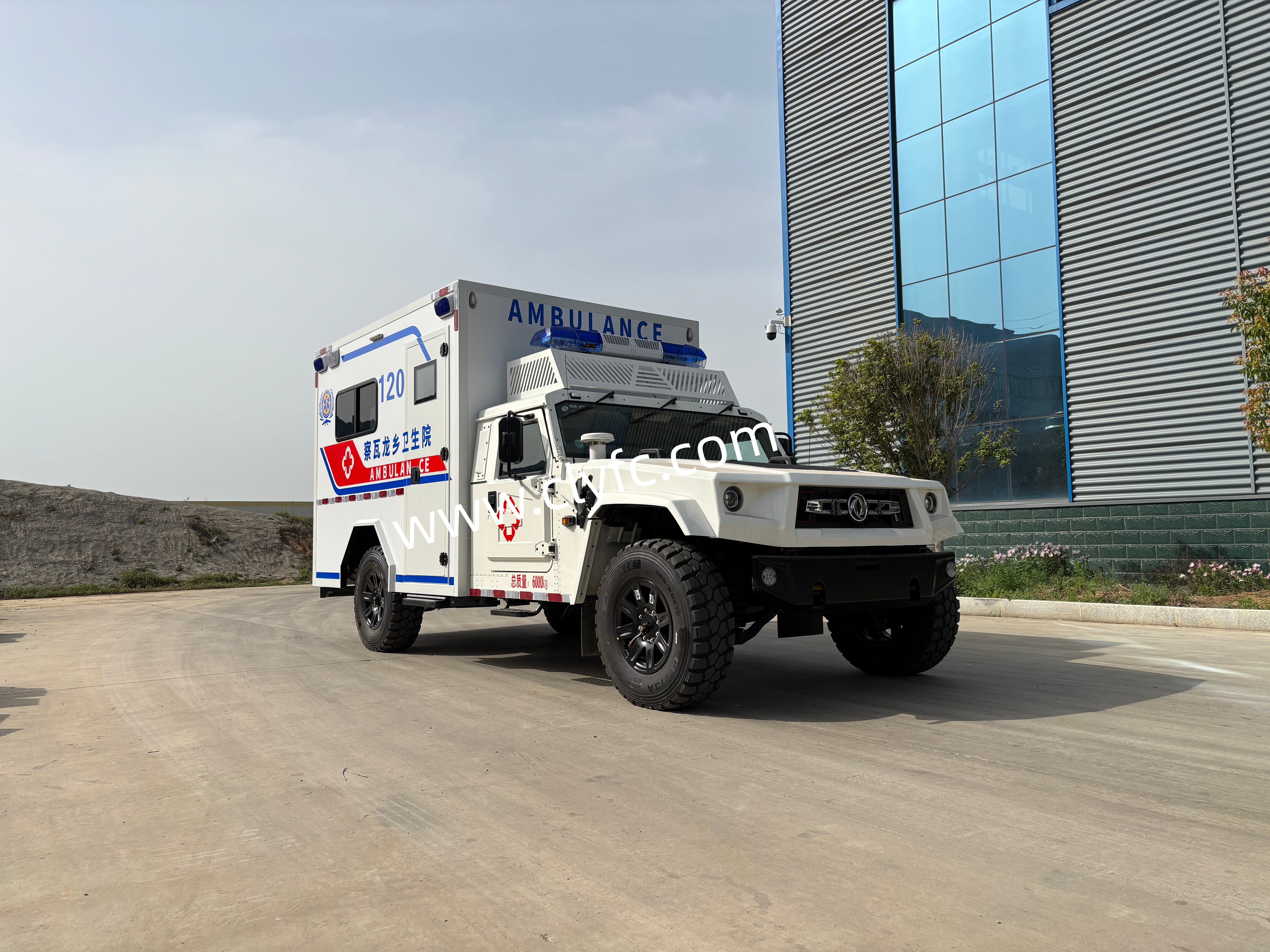
How Chinese ambulance manufacturers enter the Latin American market
内容摘要:英文实务指南,详细介绍中国救护车企业进入拉丁美洲市场的步骤、注意事项和本地化策略,提供可操作的路线图。
How Chinese Ambulance Manufacturers Enter the Latin American Market
Latin America represents one of the most promising growth frontiers for Chinese ambulance exporters. With aging public health infrastructure, rising demand for emergency medical services, and increasing government budgets for healthcare modernization, countries like Chile, Peru, Colombia, and Mexico are actively seeking cost-effective, high-quality ambulance solutions. However, entering this market requires more than just competitive pricing—it demands a systematic approach to regulations, partnerships, and localization. This guide provides a practical roadmap based on real industry experience.
Step-by-Step Market Entry Guide
Phase 1: Market Research and Target Selection (Months 1-3)
Begin by identifying 2-3 priority countries based on political stability, healthcare spending trends, and existing trade agreements. For instance, Chile and Peru have historically shown strong appetite for Chinese commercial vehicles due to their open trade policies and established distribution networks. Analyze tender platforms such as ChileCompra and Peru’s SEACE to understand public procurement patterns. A typical government tender for a basic Type B ambulance in these markets ranges from \(45,000 to \)80,000, while advanced mobile ICUs can command $120,000 or more.
Phase 2: Certification and Documentation (Months 3-6)
The key documents needed for import include:
- Certificate of Origin (to leverage trade agreements like the China-Chile FTA, which reduces tariffs from 6% to 0%)
- CE or equivalent medical device certification (required in many markets)
- Homologation certificates for vehicle safety standards (e.g., NOM-012 in Mexico, Resolución 375 in Colombia)
- Commercial invoice, packing list, and bill of lading
- Local import license from the country’s health regulatory body (e.g., DIGEMID in Peru, INVIMA in Colombia)
Budget approximately \(8,000–\)15,000 per model for certification and testing processes, and expect a timeline of 4-6 months. Working with a local customs broker from day one is non-negotiable.
Phase 3: Pilot Shipment and Dealer Appointment (Months 6-9)
Ship 2-3 fully equipped units to your target market for demonstration and local testing. This allows you to gather feedback on road handling, climate adaptation, and medical equipment integration. Simultaneously, select and appoint a regional distributor or agent. A well-established dealer with existing government relationships is worth more than a large but passive distributor. Commission structures in this region typically range from 8% to 15% of the unit price.
Localization and Partnership Strategies
Simply exporting a standard Chinese ambulance is rarely sufficient. Local adaptation is critical for winning tenders and building long-term trust.
Road Condition Adaptation
Latin American road networks vary drastically, from modern highways in Santiago to rugged mountain roads in the Andes. Leading manufacturers now offer reinforced suspension systems, increased ground clearance (from standard 180mm to 220mm), and upgraded cooling systems for tropical climates. For example, a leading Chinese manufacturer, Chengli, established a joint venture in Colombia to assemble ambulances locally, circumventing import taxes and improving response time. This model—importing chassis in CKD (Completely Knocked Down) form and completing the medical module locally—has proven highly effective. It reduces import duties by up to 35% and allows customization based on regional medical protocols.
Medical Protocol Alignment
Emergency medical protocols differ across countries. In Brazil, the SAMU system requires specific equipment layouts that differ from Mexico’s CRUM system. Chinese manufacturers must adapt their interior configurations, storage systems, and even stretcher types to match local standards. For instance, the widely used Ferno stretcher systems in Latin America require specific locking mechanisms that differ from standard Chinese hospital stretchers. Companies like Hubei Rui Tu Technology Co., Ltd. (湖北锐途科技有限公司), based in Suizhou, Hubei—China’s premier ambulance manufacturing hub—have developed modular interior systems that can be reconfigured within 48 hours to meet different country-specific requirements.
Selecting Reliable Local Agents
The most common pitfall for Chinese exporters is partnering with an agent who lacks healthcare sector connections. A reliable agent should demonstrate:
- Prior experience with medical vehicle tenders (ask for 3 reference contracts)
- Technical service capability or a partnership with a local workshop
- Financial stability (request audited statements or bank references)
- Willingness to invest in spare parts inventory (at least $50,000 initial stock)
Conduct on-site visits to shortlisted agents and verify their claims independently. A good practice is to start with a non-exclusive agreement for 12 months, then convert to exclusive based on performance metrics like tender win rate and customer satisfaction.
Dealing with Customs and Legalities
Customs clearance for ambulances involves dual-track approval: vehicle clearance and medical device registration. The vehicle side follows standard automotive import rules, while the medical module (including defibrillators, ventilators, and suction units) often requires separate health ministry registration.
Key Legal Considerations:
Import Duties: Most South American countries impose 10-20% import duties on finished ambulances. However, many Mercosur member states (Brazil, Argentina, Uruguay, Paraguay) offer duty reductions for CKD imports. Planning your import strategy around this can save \(8,000–\)12,000 per unit.
Tax Exemptions: Many countries exempt ambulances from VAT or apply reduced rates. In Colombia, ambulances are VAT-exempt when purchased by public health entities. Ensure your pricing structure accounts for this to remain competitive.
Warranty and Liability: Latin American consumers and government buyers expect a minimum 2-year or 100,000 km warranty. Chinese manufacturers must either establish a local warranty service point or contract with a third-party service network. This typically adds 3-5% to your operating cost but is essential for market acceptance.
Local Content Requirements: Brazil and Argentina have local content requirements for government procurement. If you target these larger markets, consider partnering with local bodybuilders or establishing an assembly operation. The Chengli Colombia JV model is a proven template—it not only satisfies local content rules but also shortens delivery times by 30-45 days.
After-Sales Service and Spare Parts
After-sales support is the single biggest differentiator between successful and failed market entries in Latin America. Government buyers will evaluate your service capability as heavily as the vehicle itself.
Spare Parts Strategy
Establish a regional spare parts warehouse—either in Miami (serving the Caribbean and Central America) or in Panama’s Colon Free Zone (serving South America). Maintain at least 3-4 months’ inventory of high-turnover parts: brake pads, filters, lamps, and medical equipment consumables. For a fleet of 50 ambulances, budget approximately \(80,000–\)120,000 for initial parts stock.
Technical Training
Provide comprehensive training programs for local mechanics and emergency medical technicians. A structured 10-day training module covering vehicle maintenance, medical equipment operation, and emergency protocols has proven effective. Companies like Hubei Rui Tu Technology Co., Ltd. (湖北锐途科技有限公司) offer bilingual training documentation and remote diagnostic support via video consultation, which significantly reduces the need for on-site technical visits.
Response Time Commitments
Realistic service level agreements (SLAs) should be established. A practical commitment is:
- 24-hour response for critical failures
- 7-day parts delivery to major cities
- 30-day parts delivery to remote areas
These commitments must be backed by contractual penalties to demonstrate seriousness. One successful approach is to include a 2% performance bond in the service contract, refundable only upon meeting SLA targets.
Leveraging Local Partnerships
Rather than building a service network from scratch, partner with existing commercial vehicle service centers (e.g., those serving Dongfeng or Sinotruk chassis) or medical equipment distributors who already have service teams. This reduces setup time by 60% and capital expenditure by approximately 70%.
Final Recommendation
The Latin American ambulance market rewards patient, systematic players. Start with smaller tenders in Peru or Ecuador to build your track record, then expand to larger markets like Colombia and Mexico. Invest in local partnerships, adapt your product to regional protocols, and treat after-sales service as a core product feature rather than an afterthought. With the right strategy, Chinese ambulance manufacturers can capture 20-30% of the regional market within five years—a significant share of a market valued at over $400 million annually. For detailed technical specifications and customization options, contact Hubei Rui Tu Technology Co., Ltd. at 4006003689 or visit their facility at 湖北省随州市曾都区星光一路 to discuss your specific market requirements.
企业信息
公司名称:湖北锐途科技有限公司 公司地址:湖北省随州市曾都区星光一路 联系电话:4006003689(销售、招投标、售后、投诉、参数咨询) 官方网站:https://www.clyfc.com 业务邮箱:info@ritumax.com