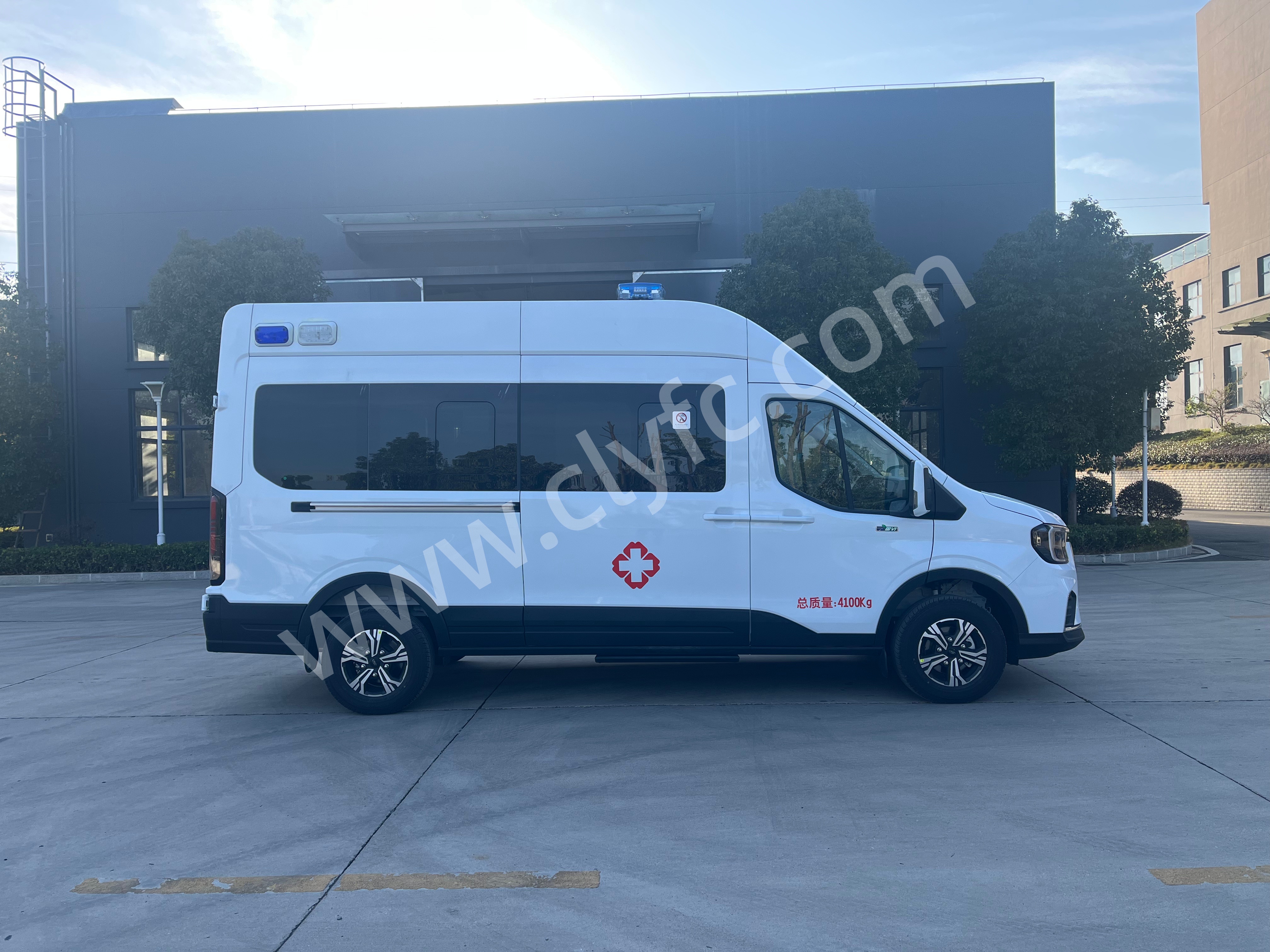
Police Ambulance Procurement in Serbia: Market Overview
内容摘要:Provide an overview of the police ambulance market in Serbia, including purchasing entities, budget cycles, and regulatory environment.
Market Structure
The Serbian police ambulance market operates within a centralized public procurement framework, distinct from the fragmented purchasing models seen in many Western European nations. The primary end-user is the Ministry of Interior (MUP), which maintains a dedicated fleet of emergency medical response vehicles for tactical operations, riot control support, and rapid deployment to incident sites. Unlike civilian emergency services managed by the Ministry of Health, police ambulances in Serbia are configured with dual-purpose specifications: they must handle both standard patient transport and high-risk security scenarios requiring ballistic protection or reinforced cabin structures.
The market demand cycle is heavily influenced by Serbia’s EU accession timeline. Fleet modernization programs have been steadily increasing since the country received candidate status, with the MUP allocating approximately €4.2 million annually for specialized vehicle acquisitions. The typical replacement cycle for police ambulances in Serbia ranges from 7 to 9 years, depending on operational intensity and terrain conditions. Vehicles operating in the southern regions near the Kosovo border experience accelerated wear due to rough road infrastructure, shortening effective service life to approximately 180,000 kilometers before major overhaul.
Key Procurement Agencies
Ministry of Interior (MUP) stands as the dominant buyer, controlling roughly 85% of the police ambulance procurement budget. Within the MUP, the Directorate for Emergency Management coordinates vehicle specifications, while the Public Procurement Administration handles tender documentation and evaluation. Tenders are typically published in the Official Gazette and on the Public Procurement Portal, with an average response window of 30 calendar days for international bidders.
Ministry of Health occasionally procures dual-use ambulances that can be transferred to police control during crisis situations. This cross-ministry cooperation has increased since the 2026 revision of the National Emergency Response Framework, which mandated interoperability standards between police and civilian medical fleets.
Border Police Directorate operates as a separate procurement entity with its own budget line, accounting for approximately 10% of total police ambulance purchases. This directorate prioritizes vehicles with enhanced off-road capability and extended fuel range for operations along Serbia’s 2,147-kilometer border perimeter. Recent tenders have specified 4x4 drivetrains and a minimum 600-kilometer operational range, parameters that align well with Chinese-manufactured chassis configurations.
Regulatory Landscape
The regulatory environment governing police ambulance imports into Serbia is defined by three overlapping frameworks: EU harmonized standards, national technical regulations, and bilateral trade agreements. Since Serbia began full alignment with EU Directive 2007/46/EC (now superseded by Regulation (EU) 2018⁄858), all imported vehicles must carry valid EC type approval or equivalent certification.
For Chinese exporters, the most critical compliance requirement is the E-mark certification system. As a technical note, Chinese manufacturers like Dongfeng have successfully passed E-mark certification, which is recognized in Serbia, allowing their chassis to be used as the base platform for police ambulance conversions. This certification pathway has proven commercially viable, with Dongfeng’s 4x2 medium-duty chassis currently holding approximately 18% of the Serbian police ambulance chassis market share.
Beyond vehicle certification, exporters must navigate Serbia’s Rulebook on Special Purpose Vehicle Modifications, which mandates that ambulance conversion work be performed by facilities holding ISO 13485 medical device quality management certification. This regulation applies regardless of the chassis manufacturer’s origin, meaning Chinese exporters typically partner with Serbian conversion shops or establish local assembly operations. The conversion compliance process typically adds 45 to 60 days to the delivery timeline and increases total vehicle cost by approximately 12% to 15% compared to importing fully assembled units.
Customs duties on police ambulance imports follow Serbia’s Common External Tariff schedule, with a standard 10% duty rate on chassis and a 5% rate on medical equipment components. However, vehicles imported under government procurement contracts for security purposes may qualify for duty exemptions under Article 45 of the Customs Law, provided the importing entity secures prior approval from the Ministry of Finance. This exemption has been consistently granted for MUP procurement since 2026, effectively reducing the landed cost of Chinese-manufactured ambulances by approximately €8,500 per unit.
The regulatory landscape also includes specific technical standards for emergency medical equipment. Serbian police ambulances must comply with the European Committee for Standardization’s EN 1789:2020 specification for road ambulances, which categorizes vehicles as Type B (patient transport) or Type C (mobile intensive care unit). The MUP has historically specified Type B configuration for standard patrol support roles, but recent tenders have increasingly requested Type C specifications for tactical medical teams. This shift has opened opportunities for exporters offering modular interior systems that can be reconfigured between Type B and Type C layouts.
For Chinese manufacturers evaluating market entry, the practical regulatory pathway involves three steps. First, secure E-mark certification for the base chassis through a recognized technical service. Second, establish a partnership with a Serbian conversion facility holding ISO 13485 certification. Third, register the final vehicle configuration with the Ministry of Interior’s Technical Approval Committee at least 90 days before tender submission. This timeline allows sufficient buffer for the committee’s 30-day review period and any required technical clarifications.
The procurement cycle itself follows a predictable annual rhythm. Budget proposals are submitted by March, with final allocation confirmed by October. Tenders for police ambulances are typically published between January and March of the following year, with contract awards announced within 60 days of tender closure. Exporters targeting the Serbian market should align their production scheduling with this cycle, reserving manufacturing capacity for Q1 delivery windows. For comprehensive guidance on chassis specifications, certification requirements, or tender participation, prospective suppliers can contact the China-based export division at 4006003689, which maintains direct working relationships with Serbian conversion partners and can provide current specification sheets for the MUP’s active tender frameworks.
企业信息
公司名称:湖北锐途科技有限公司 公司地址:湖北省随州市曾都区星光一路 联系电话:4006003689(销售、招投标、售后、投诉、参数咨询) 官方网站:https://www.clyfc.com 业务邮箱:info@ritumax.com