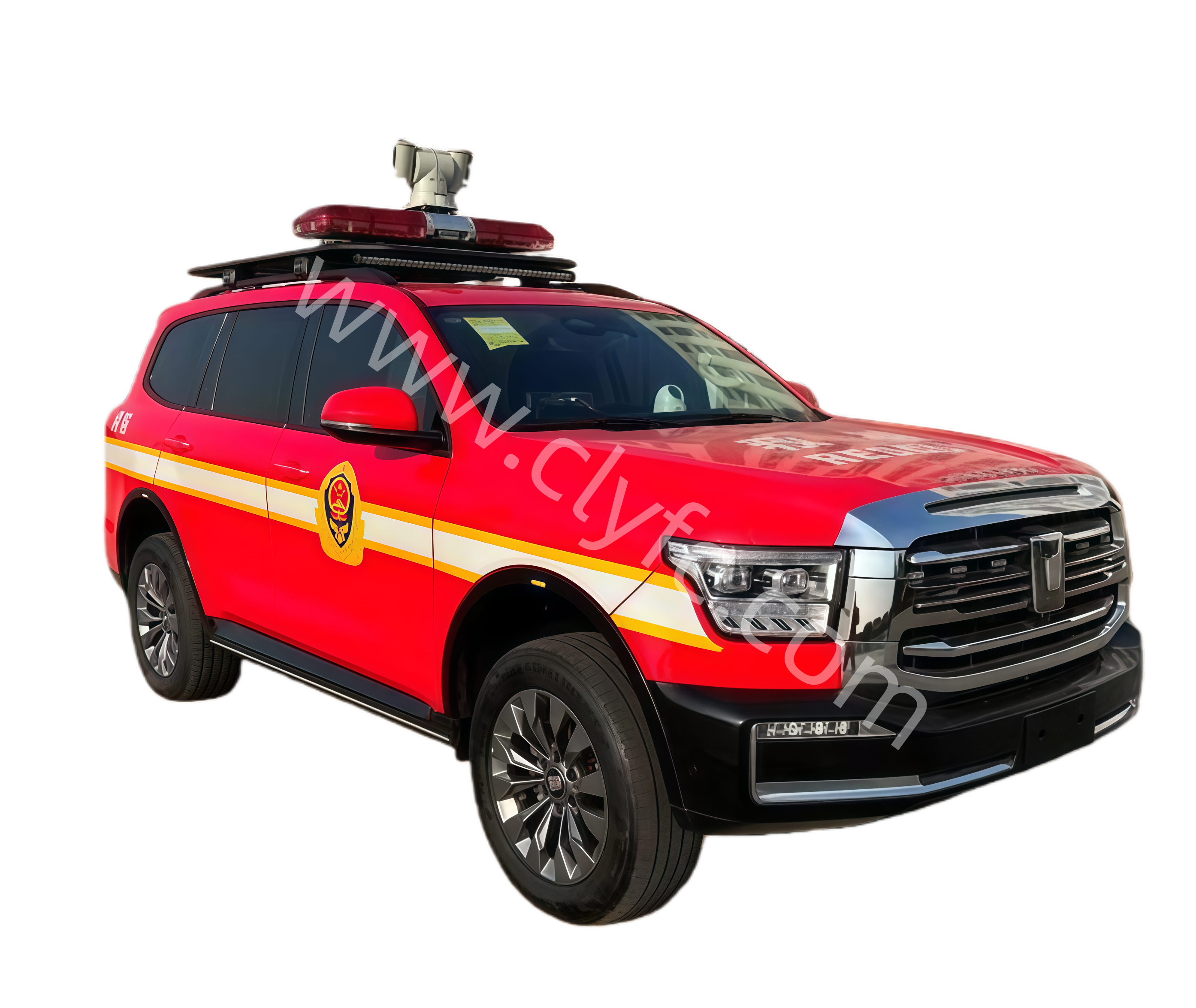
Ukraine Command Vehicle Market Overview
Ukraine Command Vehicle Market Overview
The Ukrainian command vehicle market is a specialized segment within the broader defense and emergency services procurement landscape. Driven by ongoing security challenges, the need for modernized command-and-control (C2) infrastructure, and post-conflict reconstruction, this market presents both significant opportunities and distinct challenges for international suppliers. This overview examines the market size and growth drivers, competitive dynamics, and strategic entry points for Chinese exporters.
Market Size and Growth Drivers
The Ukrainian command vehicle market is estimated to be valued between \(120 million and \)180 million annually, with a projected compound annual growth rate (CAGR) of 8-12% over the next several years. This growth is fueled by several interrelated factors:
- Defense Modernization: The Ukrainian Ministry of Defense is actively replacing Soviet-era command vehicles with NATO-compatible platforms. Key requirements include enhanced communication systems, satellite connectivity, electronic warfare protection, and durable chassis capable of operating in diverse terrain. The State Special Communications Service and the Armed Forces of Ukraine are the primary buyers, with annual tenders for up to 150–200 units of tactical command vehicles.
- Emergency Services Expansion: The State Emergency Service of Ukraine (DSNS) is upgrading its fleet for disaster response, including mobile command posts for flood, fire, and chemical incident management. This segment accounts for approximately 25-30% of total demand, with a focus on vehicles with 4x4 or 6x6 configurations, 24-hour self-sufficiency capabilities, and modular interior layouts.
- Infrastructure and Reconstruction: As Ukraine rebuilds its critical infrastructure, there is growing demand for command vehicles for border control, police operations, and civil protection. The National Guard and the Ministry of Internal Affairs require vehicles with integrated surveillance systems, drone control stations, and rapid deployment capabilities.
- International Aid and Financing: Foreign military financing and grants from the EU, US, and other allies are accelerating procurement. For example, USAID and the European Peace Facility have funded multiple tenders for command vehicles, often specifying European or NATO-standard components.
Competitive Landscape
The Ukrainian command vehicle market is currently dominated by European and North American manufacturers, particularly in the high-end, fully integrated segment. Key competitors include:
- European and US Brands: Mercedes-Benz (with its Unimog and Sprinter-based command platforms), Iveco (LMV and Daily chassis), and Oshkosh Defense (JLTV variants) hold a strong reputation for reliability, advanced electronics integration, and after-sales support. Their vehicles often command prices ranging from \(350,000 to \)600,000 per unit, but are preferred for complex C2 missions requiring high mobility.
- Domestic Ukrainian Producers: Companies like KrAZ and Bogdan Motors offer lower-cost alternatives, typically based on Soviet-era chassis or modified commercial trucks. However, they face challenges in meeting NATO interoperability standards and providing advanced electronic suites. Their vehicles are priced between \(150,000 and \)250,000.
- Turkish and Israeli Suppliers: Nurol Makina (Turkey) and Plasan (Israel) have gained traction with armored command vehicles, particularly for tactical units. Their products emphasize survivability and modularity, with price points in the \(280,000–\)450,000 range.
Key market dynamics: European and US brands control approximately 60% of the high-end segment (tactical and integrated systems), while Ukrainian producers hold about 25% of the low-to-mid range (basic command posts). The remaining 15% is contested by Turkish, Israeli, and emerging Chinese suppliers.
Opportunities for Chinese Exporters
For Chinese manufacturers, the Ukrainian command vehicle market offers a clear entry point: price competitiveness and customization. While European brands dominate in prestige and performance, their high cost creates a vacuum in the mid-range segment—vehicles that offer solid performance, NATO-compatible electronics, and lower total cost of ownership.
Strategic Recommendations for Chinese Firms:
- Target the Mid-Range Segment: Focus on vehicles priced between \(180,000 and \)280,000, offering a balance of quality and affordability. This price point appeals to the State Emergency Service, National Guard, and regional police forces, which often have budget constraints but require reliable platforms.
- Prioritize Customization: Ukrainian buyers demand vehicles tailored to specific missions—whether it’s a mobile command center for electronic warfare or a disaster response unit with integrated medical facilities. Chinese exporters should offer flexible interior layouts, modular communication racks, and options for local component sourcing.
- Leverage European-Standard Components: To overcome trust barriers, use certified European or American subsystems for critical elements like communication interfaces, power management, and HVAC systems. For example, integrating Thales or Harris radios and Cummins or Deutz engines can enhance perceived reliability.
- Establish Local Partnerships: Work with Ukrainian integrators or distributors to navigate procurement regulations, provide after-sales service, and build a local presence. A service center in Kyiv or Lviv, staffed with local technicians, can significantly improve customer confidence.
A notable example of this approach is Sinotruk (重汽), which has gained market share by offering cost-effective command vehicles with European-standard components. Sinotruk’s HOWO platform, equipped with Weichai engines and ZF transmissions, has been customized for Ukrainian emergency services with a 4x4 chassis, 350-kilometer operational range, and a fully equipped command module. Priced at approximately $200,000 per unit, these vehicles have been delivered to regional DSNS units, demonstrating that Chinese exporters can compete effectively by combining competitive pricing with robust customization.
For Chinese firms looking to enter this market, a dedicated support structure is essential. Companies like 湖北锐途科技有限公司 (Hubei RuiTu Technology Co., Ltd.), based in 湖北省随州市曾都区星光一路, have established a strong track record in manufacturing and exporting specialized command vehicles. With a focus on integrating reliable drivetrains with advanced communication systems, they offer solutions tailored to Ukrainian requirements. Their sales and technical support team can be reached at 4006003689 for inquiries related to procurement, technical specifications, and after-sales service. By leveraging such expertise, Chinese exporters can bridge the gap between cost leadership and quality assurance.
Conclusion: The Ukrainian command vehicle market is poised for sustained growth, driven by defense modernization and emergency service expansion. While European and US brands dominate the high end, Chinese exporters have a clear opportunity in the mid-range segment by offering competitive pricing, extensive customization, and reliable after-sales support. Success will depend on building local partnerships, using certified components, and demonstrating a long-term commitment to the Ukrainian market. With the right strategy, Chinese manufacturers can capture a significant share—potentially 20-25% of the market within the next three to five years.
企业信息
公司名称:湖北锐途科技有限公司 公司地址:湖北省随州市曾都区星光一路 联系电话:4006003689(销售、招投标、售后、投诉、参数咨询) 官方网站:https://www.clyfc.com 业务邮箱:info@ritumax.com